


Tremelimumab shows low but durable response rate in advanced melanoma

NEW YORK (Reuters Health) - In a phase II trial in patients with advanced refractory or relapsed melanoma, tremelimumab (CP-675,206) showed a 6.6% objective response rate, with these responses lasting more than six months, a multinational group of researchers report in the February 1 issue of Clinical Cancer Research.

The publication comes nearly two years after Pfizer, the manufacturer of tremelimumab, discontinued a phase III study of the drug in patients with advanced melanoma after an interim review showed tremelimumab would not be superior to standard chemotherapy.

But then, just last month, Pfizer announced another phase III trial of tremelimumab, saying analysis of the data from the discontinued study had identified the biomarker that will be used to select patients for the upcoming investigation.

In the multicenter single-arm phase II study, 16 of the 241 evaluable patients had partial responses, which ranged in duration from 8.9 to 29.8 months. The median time to response was 7.0 months. Eleven of the 16 patients (69%) had ongoing responses at their last assessment.

The clinical benefit rate - 16 responses plus 35 patients with stable disease - was 21%.

One patient with a response, who had a family history of sudden death, died of an apparent cardiac event 321 days after enrolling in the study. The other 15 responders were alive when the authors wrote their paper, with survival ranging from 20 to 34 months.

By comparison, the median overall survival for the entire cohort was 10.0 months.

The report notes that response rates with single-agent chemotherapy usually range from less than 8% to 15%, with limited durability. Immunotherapy with high-dose interleukin-2 produces similar response rates, with better durability but with problematic toxicity.

For these reasons, lead author Dr. John M. Kirkwood of the University of Pittsburgh Cancer Institute and colleagues write, "There is an urgent need for new treatment options for patients with stage IV (metastatic) melanoma."

All patients in the study (median age 53) had surgically incurable stage III or IV melanoma that was refractory or had relapsed after one or more cycles of systemic treatment.

Participants received one infusion of tremelimumab 15 mg/kg every 90 days for up to four doses in a 12-month period.

Most treatment-related adverse events were mild to moderate.

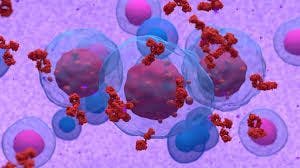
Formerly known as ticilimumab, tremelimumab is a fully human IgG2 monoclonal antibody that binds to CTLA4, a protein expressed on the surface of activated T cells.

Given their findings, the researchers write, "It is now of paramount importance to identify the patient population that responds to tremelimumab and determine early indicators of later response to therapy."

Copyright © 2010 Reuters Limited. All rights reserved. Republication or redistribution of Reuters content, including by framing or similar means, is expressly prohibited without the prior written consent of Reuters. Reuters shall not be liable for any errors or delays in the content, or for any actions taken in reliance thereon. Reuters and the Reuters sphere logo are registered trademarks and trademarks of the Reuters group of companies around the world.

NEWS PROVIDED BY