

In closing, the panel of experienced multiple myeloma care partners offers a powerful, unified message of hope and actionable advice.
In closing, the panel of experienced multiple myeloma care partners offers a powerful, unified message of hope and actionable advice.
A common care partner challenge is managing guilt when engaging in activities for personal wellness, especially if the multiple myeloma patient cannot participate.
Being a multiple myeloma care partner involves significant logistical and emotional challenges.
Shared decision-making empowers multiple myeloma patients and their care partners to actively collaborate with the medical team on treatment choices.
Modern multiple myeloma treatment often involves complex combination therapies, which significantly impact daily life for patients and care partners.
Ensuring medication adherence for multiple myeloma treatment involves both practical systems and a patient-centered mindset.
With multiple myeloma treatment evolving rapidly, the role of the care partner in managing the complexity of multiple myeloma is more crucial than ever.
In this segment, multiple myeloma care partners direct others to vital sources of hope and practical information.
In reflecting on their journeys, multiple myeloma care partners share crucial insights they wish they’d known sooner.
Care partners for multiple myeloma patients emphasize that managing their own mental health is not a luxury, but a necessity for sustainable care.
Following a multiple myeloma diagnosis, care partners describe an initial wave of fear and logistical stress.
This panel of multiple myeloma care partners shares diverse diagnostic journeys, offering vital insights for patients and caregivers.

Early trial results report progression-free survival and response rates for ateganosine, spevatamig, Annamycin and pumitamig; studies are currently enrolling.
Several oncology companies announced key trial milestones this week across the landscape of both blood cancers and solid tumors.
Clinical trial updates in cancer care include a remote study in small cell lung cancer and new findings in ovarian, solid tumor, and urothelial cancers.

Clinical trials should be designed to ease travel and financial burdens by using local care, telehealth and remote tools, Kimberly Demirhan explained.
New clinical trials are advancing treatments for cutaneous T-cell lymphoma, advanced solid tumors, pediatric sarcomas and ALK-positive lung cancer.

New clinical trials are advancing in hard-to-treat cancers, offering targeted and less toxic options for patients with limited treatment paths.
Trials enrolling patients with relapsed leukemia, lymphoma and brain cancers, respectively, report early data showing safety/activity with novel therapies.

The first patient has been dosed in the phase 3 TERZO trial of Copiktra for relapsed or refractory nodal T-follicular helper cell lymphoma.
A patient with relapsed follicular lymphoma achieved complete remission one month after PMB-CT01 treatment in the phase 1 PMB-102 trial.

The phase 3 POIESIS trial is set to investigate navtemadlin as an add-on therapy to Jakafi in patients with JAK inhibitor-naive myelofibrosis.
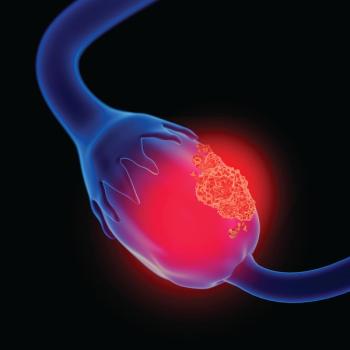
The first patient with Cyclin E1+ platinum-resistant ovarian cancer has been dosed with azenosertib in part 2a of the phase 2 DENALI clinical trial.
A patient with heavily pretreated relapsed/refractory diffuse large B-cell lymphoma achieved complete remission following novel in vivo CD19 CAR-T therapy.

A phase 1 trial has initiated and is investigating treatment with ziftomenib plus Gleevec in advanced GIST following progression on Gleevec.

The first patient with small cell lung cancer has been dosed in a phase 1/2 trial investigating first-line iadademstat plus immune checkpoint inhibitors.

Pheast Therapeutics has treated the first patient in a phase 1 trial of PHST001, a novel macrophage checkpoint inhibitor for advanced solid tumors.

A phase 2a clinical trial of NEO100-01 is continuing to recruit patients with malignant gliomas, with full enrollment expected in September.

A phase 1 clinical trial is open for enrollment to patients with high-grade neuroendocrine tumors.

KSQ-004EX is being evaluated in solid tumors including melanoma, non-small cell lung, head and neck, colorectal, pancreatic and cervical cancer.