
Be well and use good judgment at this time to manage your medical care, but don't be afraid to ask and inquire about accommodations that can be made to support your overall well-being.
Be well and use good judgment at this time to manage your medical care, but don't be afraid to ask and inquire about accommodations that can be made to support your overall well-being.
Having lived with the possibility of early death as a two-time cancer patient, I’m used to the coronavirus threat and all that it entails.
Cancer therapies can take a toll on the skeleton, but the right moves can minimize the loss.
The LGBT community is faced with a disproportionate cancer burden that needs to be addressed.
A cancer survivor laments not getting more done until she realizes she just moves slower, and that's ok. As long as you don't stop.
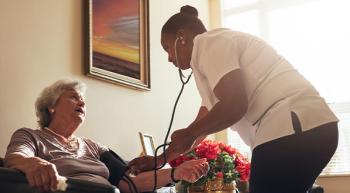
Older survivors face increased symptom burden, which in turn affects their well-being, highlighting the need for cancer-related symptom surveillance and intervention.
One cancer survivor looks back on how a breast cancer diagnosis divided her life into a before and after, and looks ahead to what comes next.
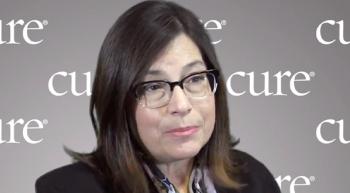
To combat the stigma around mental health care for patients with lung cancer, survivor Nancy Cohen shares her own treatment story and why she feels it's important to include mental health care during cancer treatment.
We asked our readers, what is the most important lesson cancer has taught you?
The darkness of survivor’s guilt can arise at any point, but there are ways to lighten the load.
Patients with cancer who identify as lesbian, gay or bisexual face disparities in the care that they receive, according to study findings.
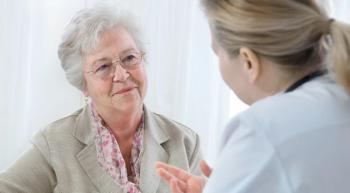
Three experts discuss the needs of cancer and bone marrow transplant survivors by offering medical and personal advice.
How do we describe the type of fatigue cancer survivors feel? Here is one explanation.
When cancer centers emphasize supportive care, patients, survivors and their families benefit and health outcomes can even improve. In this issue of CURE®, we take you inside a facility dedicated to this kind of care — The Supportive Care Center at The University of Texas MD Anderson Cancer Center in Houston.
This one-stop shop offers patients pain-management strategies, emotional support, nutritional guidance and more.
Katie Couric reflects on life and lessons learned after losing her husband to cancer.
A survivor discusses the decision to either accept each stage of the cancer journey or fight it with gusto.

On social media, CURE® recently asked its readers to share the best advice they’ve been given on their cancer journey. Here, we share some of their responses.
Cancer causes people to experience a wide range of emotions, even long after completing treatment. Among the most common is survivor’s guilt. Learning to understand this phenomenon can allow survivors to exchange their guilt for gratitude.
A cancer diagnosis can take so much from a person. Perhaps it can give a little something too. Cancer can open up our eyes to finding the time we never knew we had to do the things we always wanted to do.
Cancer can help us metamorphose into a beautiful new creature like the butterfly – stronger and more positive than before.
Longer-term cancer survivor shares strategies to cope with the appointments, tests, and results that always seem to be looming on the horizon.
As a cancer survivor, there are times when you're consumed by guilt. Why did you make it to remission when others have lost their cancer battle?
Cancer made me realize how much of life I let slip by while trying to be in control and achieve perfection. Surviving cancer has taught me there is peace and serenity in giving up the need to be in control.
After a cancer diagnosis, a person's identity may change. Often, one may choose to identify with familiar cancer terminology such as "patient," "survivor," or even "victim." These identities can form a lasting positive or negative impact on a person's life.
When I got CURE®’s spring issue in the mail; I couldn’t put it down! Now that I’m going into my 10th year of survival from a highly aggressive cancer; it’s my turn to write about my experiences based on the stories in this issue.
Those of us who live with cancer don't just hope for the good reports, clear scans or positive lab results.
Now that I have completed my surgeries, chemotherapy and radiation, I have decided to focus on one important part of my treatment and share my experience with you. Maybe I can reach the right people so that others won’t have to experience what I did.