


Even after the longest storm, there are moments of hope and rest.
Even after the longest storm, there are moments of hope and rest.

CURE asked Rebecca Nellis common questions about returning to work during or after cancer treatment.

CURE spoke with Stanley Yap about how physicians can improve care for patients with muscle-invasive bladder cancer.
For many head and neck cancers, radiation treatment can be brutal but beneficial.
Hoping for a cure is long and complex journey.

The FDA granted the PD-L1 inhibitor Tecentriq an accelerated approval in May 2016 as a treatment for patients with locally advanced or metastatic urothelial carcinoma, following encouraging results of the phase 2 IMvigor 210 study.
Before cancer, two-time survivor Barbara Tako writes that she was in more of a hurry.
If we're going to head into the deep waters of the meaning of life after a cancer diagnosis, why not strap on the laughing gas along with the oxygen tank?

Patients with diabetes are more likely to get a cancer diagnosis ten years prior or three months after their diabetes diagnosis, according to a recent study.
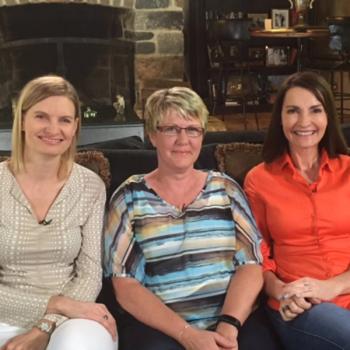
Christi Shaw may have changed her life this spring, switching from being a pharmaceutical exec to a caregiver, but one thing has stayed the same: her determination to fight cancer.
Ed urgently restarts chemo following a leukemia relapse.
There are so many choices on the market to confuse us about healthy living. Let us be thankful that many products come with warning labels to alert us to potential cancer risks, even if they are sometimes so small we overlook them at first glance.
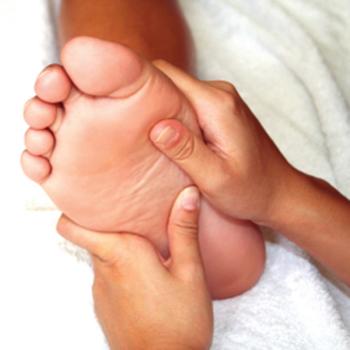
The traditional Chinese act of acupressure can reduce fatigue for survivors of breast cancer.

Elderly patients with head and neck cancer will now be able to get more individualized treatment plans, thanks to advances in the field, Sandro V. Porceddu says.

The JAVELIN trial showed that many patients with gastric cancer could benefit from immunotherapy.
What if laughter really is the best medicine?
Reflection of life six months after my sister had a bone marrow transplant.

Allison W. Kurian offers insight on using multigene panel testing to discover breast and ovarian cancer risks that may have otherwise went undetected.
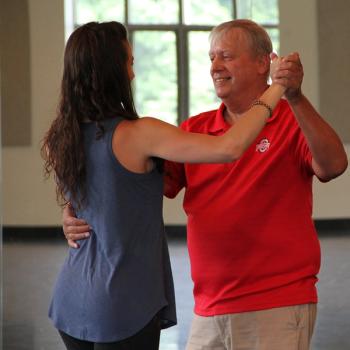
A tango program for cancer survivors is showing to have benefits far beyond developing graceful dance moves.

The FDA has approved a lighter and more convenient version of the tumor-treating field device Optune for patients with glioblastoma multiforme.

A new triplet for treating multiple myeloma may be then next new standard, according to Antonio Palumbo.

CURE spoke with Liz Salmi on connecting people with brain tumors via social media.

Previous studies have shown the benefit yoga has for women with breast cancer, but a recent study also showed that the activity has potential benefits for men with prostate cancer as well.
I took a vacation from cancer. I didn't write about it; I didn't think about it; I just lived — out loud and joyfully.
Breast cancer survivor reflects on the mental and emotional effects of cancer treatments.

Opdivo may be a promising treatment option for patients with squamous cell carcinoma of the anal canal.

Marcia S. Brose discusses Lenvima for patients with progressive radioactive iodine (RAI)-refractory differentiated thyroid cancer.
So often we tell ourselves stories about what being sick or well looks like, but sometimes we just have to be honest with the unknown.
If it’s true that cancer can pull the rug out from underneath the most sane and rational among us, why is not also true that we respond with the psychological equivalent of CPR, or, at the very least, an emotional Heimlich maneuver?
A phase 2 study showed that abemaciclib may be a promising option for some patients with breast cancer.