





New research in blood cancer includes new treatment options for acute myeloid leukemia and a novel therapy using BK virus-specific T cells to treat BK virus-associated hemorrhagic cystitis.
New research in blood cancer includes new treatment options for acute myeloid leukemia and a novel therapy using BK virus-specific T cells to treat BK virus-associated hemorrhagic cystitis.

“When survival became my identity, things began to shift in my life forever,” writes a blood cancer survivor.
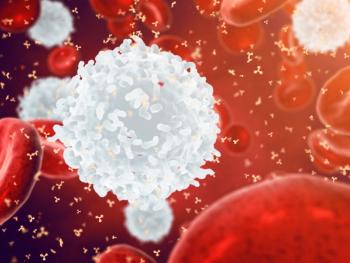
A new T-cell therapy can be highly effective in treating BKV-associated hemorrhagic cystitis while minimizing side effects.
An expert from the Leukemia & Lymphoma Society breaks down the effectiveness of the COVID-19 vaccine in patients with blood cancers on this episode of the “Cancer Horizons” podcast.

The ESPN sportscaster Dick Vitale was diagnosed with lymphoma, after receiving a melanoma diagnosis earlier this year.

Engineered cell technology is an example of ingenuity that brings together cutting-edge laboratory science and clinical trials to address aggressive cancers.
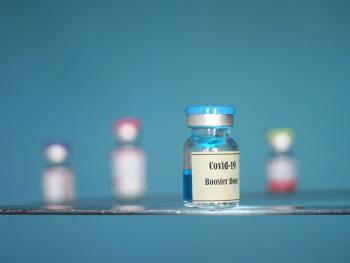
Patients with blood cancers may respond differently to doses of the COVID-19 vaccines based on the treatment they’re receiving, for example.

Natural killer cell therapy is making strides in blood cancer research, but there’s still much more to learn.

Caregivers of patients with cancer may face financial toxicity and stress — with little time to take care of themselves.

From Blink-182 bandmember Mark Hoppus’s cancer update to Olympian Elizabeth Beisel’s swim for cancer, here’s what’s happening in the cancer landscape this week.

While the recent FDA approval of Jakafi offers another effective option for patients with chronic GVHD, one expert urges that more work needs to be done to prevent and/or reverse the condition.

Certain races/ethnicities and ages may have worse outcomes in Hodgkin lymphoma regardless of variation in upfront chemotherapy.

The tome also reflects on his own diagnosis of cancer and how it influenced his practice.

The FDA has granted approval to Jakafi (ruxolitinib) for the treatment of chronic graft-versus-host disease (GVHD).
Patients with blood cancer who underwent stem cell transplant and developed chronic graft-versus-host disease have more treatment options than ever before. But the formula for planning older and newer therapies has not yet been established.
From Jeff Bridges achieving remission from cancer to a cancer survivor who became a runway model, here’s what’s happening in the cancer landscape this week.

Patients with relapsed/refractory, pretreated marginal zone lymphoma are now eligible for treatment with Brukinsa.
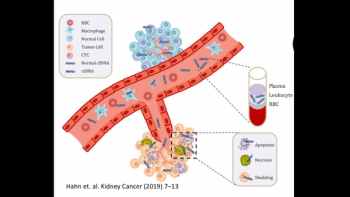
Circulating tumor DNA found in blood plasma may help predict if the likelihood of relapse for patients with large B-cell lymphoma, according to recent research.
The use of convalescent plasma therapy in patients with blood cancers and COVID-19 was associated with an improvement in survival from the infection.

The FDA approval of Brukinsa, according to an expert from the Dana-Farber Cancer Institute, provides an important new option for targeted therapy in Waldenstrom’s macroglobulinemia.

A recent webinar from the Lymphoma Research Foundation gave important advice for caregivers, including the importance of taking care of oneself.
Patients with blood cancers may be less likely to derive immunity from the COVID-19 vaccine, though antibody tests should not be the end-all-be-all in guiding their behavior.

Researchers are evaluating the safety and efficacy of zandelisib, an investigational cancer therapy, for the treatment of patients with marginal zone lymphoma and follicular lymphoma who have received at least two prior therapies.

Combining PI3 kinase inhibitors with BTK inhibitors can mitigate side effects traditionally seen with PI3 kinase inhibitors, according to recent research.
In this episode of the “CURE® Talks Cancer” podcast, Olympic triathlete Kevin McDowell discusses his cancer journey and shares some insight on his experiences at the Tokyo 2020 Olympics.