
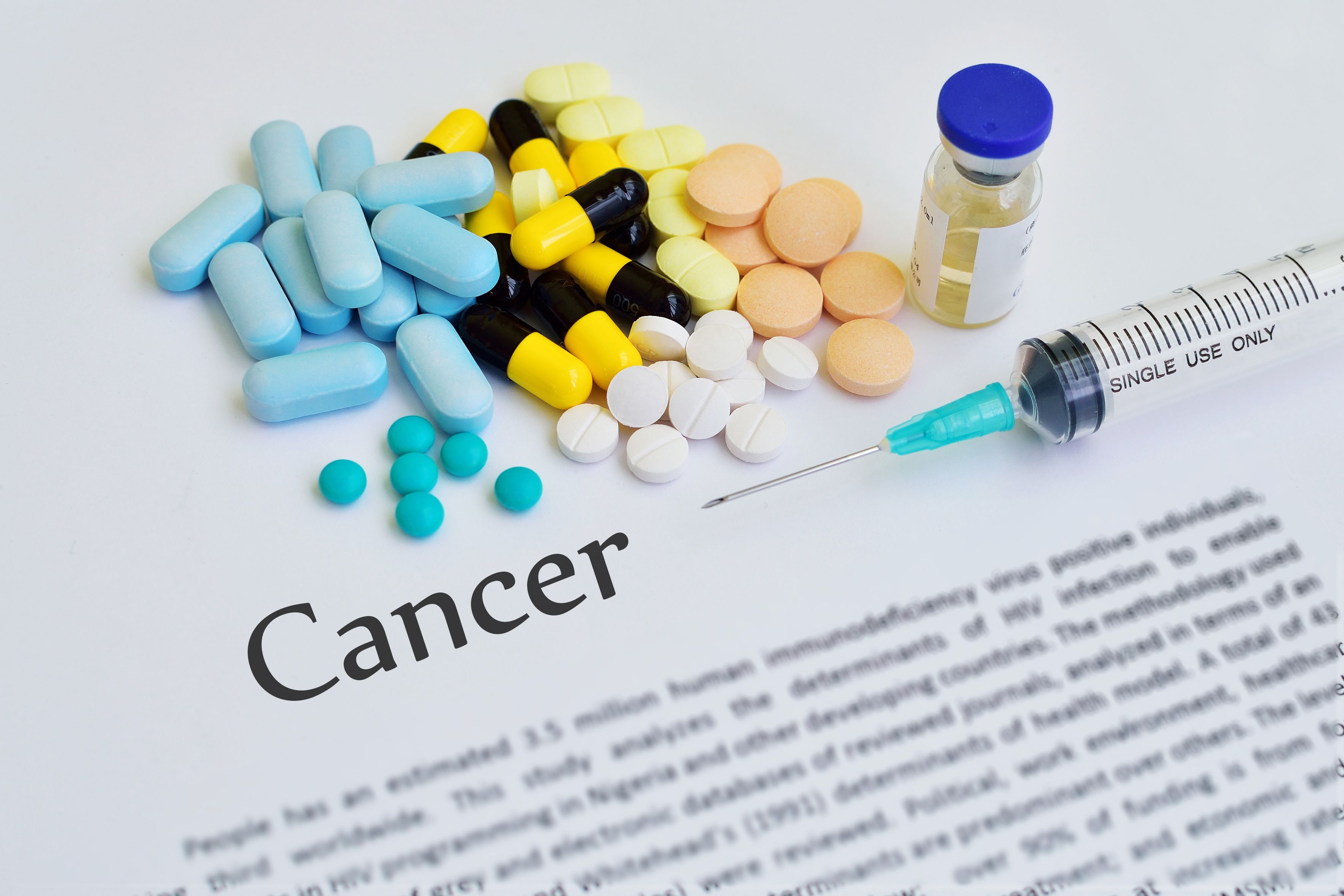





After going public with my cancer diagnosis, I was met with an onslaught of “grief tourists” who may not have been interested in the harsh realities of cancer.
After going public with my cancer diagnosis, I was met with an onslaught of “grief tourists” who may not have been interested in the harsh realities of cancer.

After surviving cancer, I’ve developed complex post-traumatic stress disorder, which comes with feelings of insecurity and anger.

The plan is to assess the safety and efficacy of the genetically engineered cell therapy alongside high-dose chemotherapy and blood stem cell transplantation in approximately 150 patients with lymphoma.
The FDA’s decision to approve Yescarta in patients with large B-cell lymphoma that has failed to respond to first-line treatment is based on data that showed that the use of the CAR-T cell therapy resulted in a significant increase in patients who were alive at two years compared with the standard-of-care second-line treatment.
My survivor friends and I share the insensitive comments we have received about our cancer diagnosis.
Unlike stem cell transplant, which has strict eligibility criteria, the majority of patients with blood cancer may be able to receive CAR-T cell therapy, regardless of other comorbidities, explained an expert.

After seeing my brother go through extraordinary pain because of lymphoma and then surviving breast cancer myself, I always pushed through the pain — even when I shouldn’t have.

There are now more drugs than ever to treat and prevent graft-versus-host disease in patients with blood cancer who receive a stem cell transplant.

The Food and Drug Administration will review data on Breyanzi (lisocabtagene maraleucel) — a CAR-T cell therapy — for use in the second-line setting for patients with relapsed or refractory large B-cell lymphoma to determine if the indication will be granted approval.

Supportive care should be implemented promptly after patients receive CAR-T cell therapy, but as one expert notes, patients with cancer are often referred for this care too late.

A survivor of multiple cancers explains how “visits” from deceased friends and loved ones made her feel safe before undergoing treatments.

A woman explains how she grapples with the acceptance that her sister may never enter remission from cancer.

Recent study results showed that the use of a remote monitoring device worn on the upper arm may help patients with blood cancers seek assistance for serious complications while receiving intensive treatments.

CAR-T cell therapy with Yescarta in patients with relapsed/refractory large B-cell lymphoma had improved responses to treatment and survival in the second-line setting, which may help save more lives than standard care, an expert said.
The National Comprehensive Cancer Network now recommends prophylactic monoclonal antibodies for immunosuppressed individuals, such as certain patients with cancer.
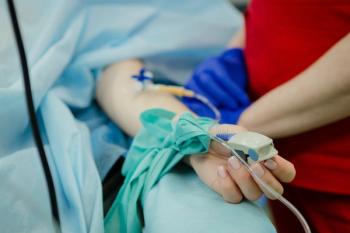
A phase 2 trial was recently launched to examine the safety and efficacy of oral inhibitor VK-2019 in patients with advanced Epstein-Barr Virus-positive nasopharyngeal carcinoma, a rare type of head and neck cancer, and lymphoma.
2021 was full of research advancements and FDA drug approvals that continue to improve cancer care for patients with a variety of malignancies.

New findings show that 43% of patients with certain blood cancers produced COVID-19 antibodies after receiving a third full dose of the mRNA vaccine.

The Food and Drug Administration approved Orencia, which is commonly used to treat conditions like rheumatoid arthritis, to prevent acute graft-versus-host-disease in adults and children who underwent a hematopoietic stem cell transplant from an unrelated donor.

The addition of a drug commonly used to treat arthritis may reduce the risk of graft-versus-host-disease in patients who underwent haploidentical allogeneic stem cell transplant.
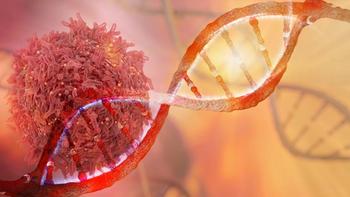
The use of a novel drug combination yielded positive outcomes in patients with B-cell lymphomas for whom CAR-T cell therapy or stem cell transplant isn’t an option.

Researchers found that depression and anxiety may skew patient perceptions of participating in blood cancer clinical trials, thus contributing to low enrollment throughout the United States.

Patients with large B-cell lymphoma tended to have better quality of life that continued to improve over time after receiving Breyzani compared to those given standard of care.
The FDA approval of Rituxan plus chemotherapy is indicated for the treatment of children aged six months to 18 years who have various forms of lymphoma or a form of leukemia.
Patients aged 60 years and older with B-cell malignancies and those who were current or former smokers may have an increased risk for death after a COVID-19 infection, also outcomes may be better for those diagnosed after June 2020.