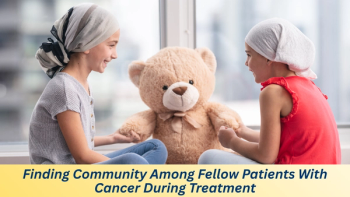
A leukemia survivor recalls how bonding with other patients helped his hospital stays go by faster and became a key part of his emotional healing.
Former U.S. goalkeeper opens up about a large B-cell lymphoma diagnosis and finally reaching remission after chimeric antigen receptor T cell therapy, urging patients to advocate and seek options.
Former U.S. Men’s National Team goalkeeper Kasey Keller is sharing a different kind of comeback story — one that unfolded off the field.
In a recent interview with CURE, Keller, 56, discussed his journey with large B-cell lymphoma and how chimeric antigen receptor (CAR)-T cell therapy helped him reach full remission after approximately 13 prior treatments failed to keep the disease under control. Now nearly five years with no evidence of disease, he said he chose to speak publicly for the first time on a large platform around World Cancer Day to help others facing similar diagnoses.
Keller is widely recognized as one of the most accomplished goalkeepers in U.S. soccer history, earning 102 international appearances and playing professionally for 17 years across England, Spain, Germany and Major League Soccer. He served as the starting goalkeeper for the national team for more than a decade and later transitioned to broadcasting. Throughout treatment, he said he leaned on the mindset that carried him through his athletic career: Focus on what you can control, keep working when no one is watching and maintain a strong attitude even on the hardest days.
Over time, Keller underwent 13 different treatments and eventually transferred his care to Fred Hutch Cancer Center in Seattle when his case became more complex. He described advocating for himself by asking questions, seeking second opinions and exploring every option. He encouraged patients and families to do the same and to rely on their support systems. He ultimately received CAR-T cell therapy with Breyanzi (lisocabtagene maraleucel). The process included collecting his T cells through apheresis, modifying them in a lab and reinfusing them. After predictable side effects, including a high fever and a brief hospital stay, he saw a strong response. Within about one month, he was in remission and two months later had no evidence of disease.
Although his immune system has not fully recovered and his stamina is limited, Keller said he remains motivated to live fully. He hopes sharing his story shows patients that new options may emerge and that holding on can open the door to more time and possibilities.
For more news on cancer updates, research and education, don’t forget to