





The FDA approved Pluvicto with hormone therapy for PSMA-positive metastatic prostate cancer, helping delay disease progression in patients.
The FDA approved Pluvicto with hormone therapy for PSMA-positive metastatic prostate cancer, helping delay disease progression in patients.

Patients with advanced biliary tract cancer lived longer on Imfinzi (durvalumab) plus chemotherapy than on chemotherapy alone, according to four-year follow-up data from the phase 3 TOPAZ-1 trial.

Tafinlar plus Mekinist extended progression-free survival to 12.8 months vs. 3.7 months with placebo in BRAF V600E-positive thyroid cancer.

After surviving testicular cancer, one survivor shares how writing, faith, running and hope helped him heal and embrace a meaningful life after treatment.
Heather Prather shares her stage 4 non small cell lung cancer journey, finding hope, joy and support through the LiveLung community and cancer advocacy.
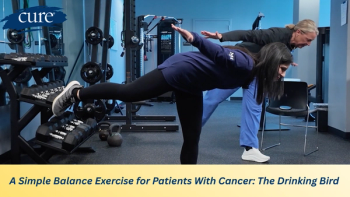
A simple balance exercise for cancer patients: the Drinking Bird. Learn how this single-leg move builds stability, strength, and confidence safely.

After 12 years cancer-free, a breast cancer survivor reflects on how her diagnosis inspired her daughters to make informed choices about their health.

Patients with advanced stomach cancer lived longer on sonesitatug vedotin than on standard treatment, according to new trial results.
A pediatric oncologist explains what families should know after childhood cancer treatment, from long-term side effects to emotional recovery.
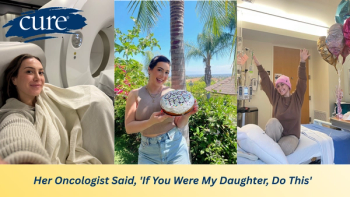
Serene Hesri was 25 when Hodgkin lymphoma was diagnosed. After relapsing, she enrolled in a clinical trial — and has been in remission for five years.

Sarah Velasquez, BSN, RN, OCN, of MD Anderson Cancer Center, goes above and beyond for her chronic lymphocytic leukemia patients through thorough communication and proactive advocacy.
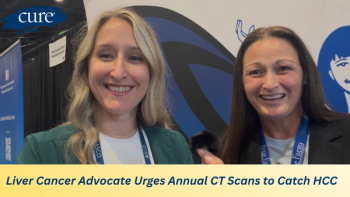
Kristie Kahl of CURE spoke with Nicole Wright Dirks, a volunteer with Blue Faery, a patient advocacy organization focused on liver cancer.

Sharon Dix, of ThedaCare Appleton, quietly goes above and beyond for her cancer patients — picking up extra shifts, housing a patient's wife and keeping promises at every turn.
A factory shift became a painful reminder that breast cancer surgery and survivorship can leave lasting physical effects years after treatment.
When do cancer treatment side effects outweigh the benefits? One woman shares how she decided it was time to prioritize quality of life.
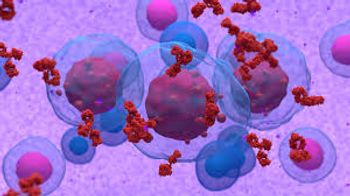
Tecvayli plus Talvey cut the risk of disease progression or death by 89% in patients with relapsed multiple myeloma, according to new trial results.
Waiting for CT scan results after follicular lymphoma can be overwhelming. One survivor shares the emotional reality of living with scanxiety.

Dr. Paul Oberstein discusses RASolute 302, a pancreatic cancer trial, and what a potential KRAS inhibitor breakthrough could mean for patients.
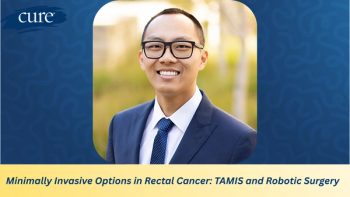
Dr. Mark Zhao of UCSF Health discusses how TAMIS and single-port robotic surgery give select rectal cancer patients less invasive care and faster recovery.

Living with metastatic breast cancer means balancing hope, fear and reality. One survivor shares why words of support can sometimes miss the mark.
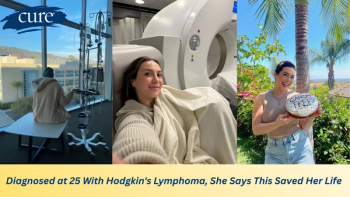
Serene Hesri was diagnosed with Hodgkin's lymphoma at 25. After a relapse, she enrolled in a clinical trial — and hasn't looked back since.

Sara Fusco-Parise, of Northwell Health, co-founded Caps of Courage to provide cold caps to breast cancer patients who couldn't afford them out of pocket.
Post-mastectomy bra ads can be emotional. Learn how focusing on your own comfort and needs can help you choose the right undergarment.

Discover the 10 things that helped cancer survivor Edward Miskie through treatment, from everyday essentials to sources of comfort, hope, and strength.
A cancer survivor shares how a weekend retreat provided comfort, understanding, and hope while facing the anxiety of waiting for CT scan results.

Biomarker testing looks for genes, proteins and other markers in your cancer that can help your care team choose the most effective treatment for you.
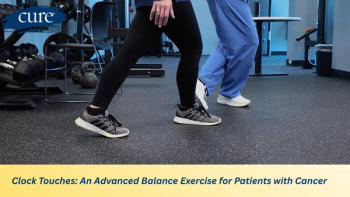
Build balance, leg strength, and core stability with Clock Touches, an advanced balance exercise designed for patients with cancer and survivors.

Kaitlyn Palsson, RN, of Utah Cancer Specialists, draws on her Type 1 diabetes diagnosis and a deep family history of cancer to bring compassion and purpose to every patient she serves.
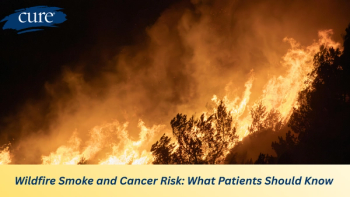
As Canadian wildfire smoke blankets much of the U.S., here's what people with cancer and cancer survivors should know about the potential health risks.
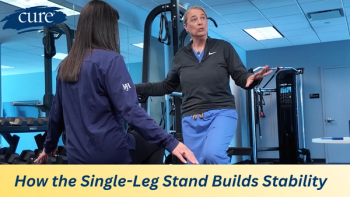
Learn the single-leg stand in the Balance Exercise Package for patients with cancer to improve stability, strengthen balance and reduce fall risk.