






Living with stage IV kidney cancer for 10 years, one survivor shares how he manages scanxiety, uncertainty and the waiting between scans.
Living with stage IV kidney cancer for 10 years, one survivor shares how he manages scanxiety, uncertainty and the waiting between scans.
After facing multiple cancers and hospice care, April Floyd credits her service dog Onyx with helping her find comfort, strength and hope.
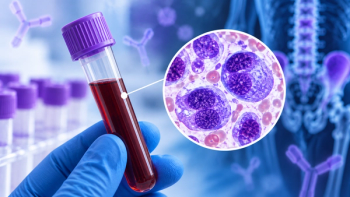
Updated NCCN guidelines for multiple myeloma add dedicated recommendations for MRD testing, prefer tests that can detect one cancer cell among 1 million cells and expand when testing should occur.

Irene Flores' advocacy for bedside nurses helped build a local stem cell transplant program, making her an Extraordinary Healer Award nominee.
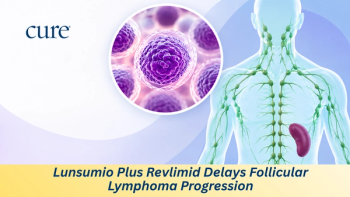
Lunsumio added to Revlimid kept relapsed or refractory follicular lymphoma from worsening longer than Rituxan plus Revlimid in the phase 3 CELESTIMO trial.

Three new studies from WCLC 2026 show strong results in ROS1-positive NSCLC, EGFR-mutant NSCLC and relapsed small cell lung cancer, offering fresh options.
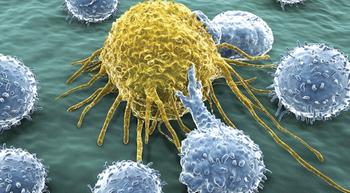
See 5 years of FDA leukemia approvals for CLL, AML and CML — new drugs, new drug classes, and how many patients they've actually helped.
Phase 2 findings on divesiran point to a potential way to control hematocrit while reducing repeated blood draws for those living with polycythemia vera, like Nona Baker.
Four of seven patients had no visible cancer on scans in early data from CONVERGE, a trial testing a tumor injection meant to boost radiation in lung cancer.
FDA approves Inluriyo plus Verzenio for adults with ESR1-mutated, ER-positive, HER2-negative advanced or metastatic breast cancer after endocrine therapy.
September is Blood Cancer Awareness Month, and the pipeline for leukemia, lymphoma and myeloma is as active as it has been in years.
After cancer, taking time to rest and travel can create space to heal, reconnect and remember that life is about more than simply surviving.
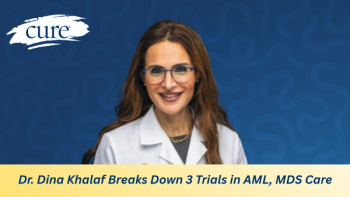
Dr. Dina Khalaf explains the ASCERTAIN-V, MyeloMATCH MM1MDS-A01 and HOVON 181 trials and what patients with AML or MDS should ask before enrolling.

Children with diffuse midline glioma who took Keppra lived a median of 20.96 months, compared with 9.92 months for those who did not, a new study found.
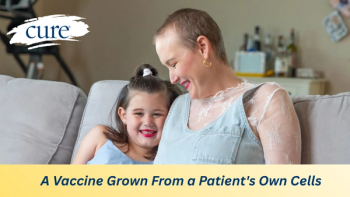
A phase 1 trial treated 15 patients with breast cancer that spread to the spinal fluid using a vaccine made from their own immune cells. One patient is now more than three years from diagnosis.

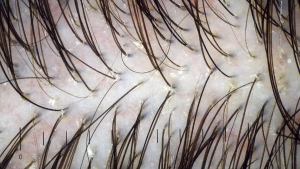
Deborah A. McDowell of OAW explains how patients can prepare for hair loss before chemotherapy starts.
FDA approves an updated Ibtrozi label for locally advanced or metastatic ROS1-positive NSCLC, reflecting nearly four years of response data.

Gentle movement during cancer treatment can help maintain strength, mobility and balance. Follow Jennifer Tipton’s simple exercises to keep your body moving.
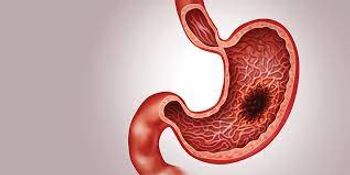
At three years, 69% of patients treated with Imfinzi and chemotherapy around surgery were alive, compared with 62% of patients treated with chemotherapy alone.
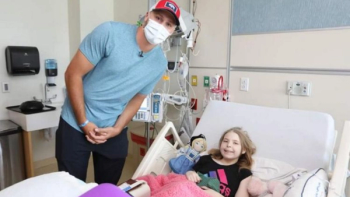
Hannah was 11 when she was diagnosed with acute lymphoblastic leukemia (ALL). Four years, two relapses and a 53-day hospital stay later, she is back in school.

A reflection on shame, vulnerability and transformation, exploring how the past shapes us and how presence can help us let go and heal.
Progression-free survival reached 14.3 months with Enhertu versus 8.3 months with chemotherapy plus Keytruda in HER2-mutant lung cancer.
AJ Wyman shares his daughter’s cancer journey and why parents caring for a child with cancer must make time for their own mental health, too.
A powerful reflection on finding hope, healing and meaning through life’s challenges, inspired by the lessons and beauty found in the sea.
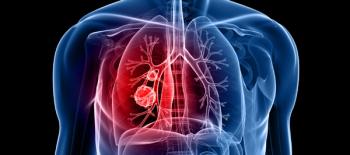
In the phase 3 DESTINY-Lung04 trial, patients with HER2-mutant advanced non-small cell lung cancer treated with Enhertu went a median of 14.3 months without their disease worsening, compared with 8.3 months with immunotherapy plus chemotherapy.
Dr. Dina Khalaf breaks down three clinical trials testing oral and targeted regimens for acute myeloid leukemia and myelodysplastic syndrome.

In the phase 3 ADAURA trial, 79% of patients who took Tagrisso for three years after lung cancer surgery were alive at eight years, compared with 64% of patients who received a placebo.
Talvey and Darzalex combinations helped patients with relapsed multiple myeloma live longer without disease progression in the phase 3 MonumenTAL-3 trial.
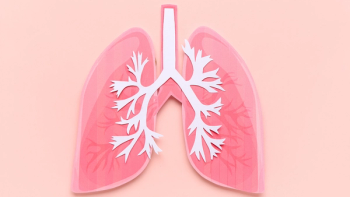
WCLC 2026 brought new lung cancer data on HER2-mutant, PD-L1-positive and EGFR exon 20 insertion-positive non-small cell lung cancer. Here's what patients should know about three key studies.

Twenty-three years after a breast cancer diagnosis at 39, a survivor explains why her garage gym became a place to rebuild strength.