News|Articles|January 9, 2026

Top 5 Gastrointestinal Cancer Stories of 2025

Author(s)Alex Biese
Fact checked by: Spencer Feldman
Listen
0:00 / 0:00

Key Takeaways

  • Surgery and chemotherapy together improved survival in GIST patients with liver metastases, increasing median cancer-specific and overall survival significantly.
  • Chemoradiation did not enhance relapse-free survival in resected gallbladder cancer, as shown in the ACCELERATE trial.
SHOW MORE

These were the top gastrointestinal cancer stories published by CURE in 2025.

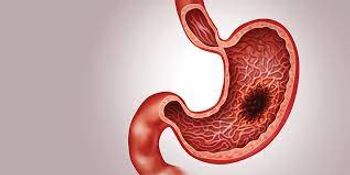
Last year saw a wide range of treatment advancements and news for patients with gastrointestinal cancers, including gastrointestinal stromal tumors (GISTs), gallbladder cancer, pancreatic cancer, esophageal cancer and colorectal cancer.

These were the top gastrointestinal cancer stories published by CURE in 2025.

Surgery May Extend Survival For Patients with GIST and Liver Metastases

Among patients with GISTs with liver metastases, treatment with surgery and chemotherapy was shown to have survival benefits compared with chemotherapy alone.

Researchers, who published their findings in Gastroenterology Report, stated that among 607 patients — 380 of whom were treated with chemotherapy alone and 227 of whom also underwent surgery — the combination of surgery and chemotherapy was found to increase median cancer-specific survival by at least 63 months and the median overall survival by at least 76 months.

“This has kind of been our general consensus, that surgery can add to survival, can improve, in conjunction with medications in the metastatic setting, and maybe validates what we what we know, and our experiences in the clinic,” Dr. Gina D’Amato told CURE. D’Amato is a Professor of Medicine at the Sylvester Comprehensive Cancer Center at the University of Miami, in Florida.

CRT and Chemo May Not Improve Survival in Resected Gallbladder Cancer

Among patients with resected gallbladder cancer, the addition of chemoradiation (CRT) to chemotherapy treatment did not improve relapse-free survival (RFS), according to phase 3 ACCELERATE trial results, which were shared at the 2025 ASCO Gastrointestinal Symposium.

The median survival was 52.7 months. Estimates for RFS (93 patients) showed a hazard ratio (HR) of 1.59 and an adjusted HR (aHR) of 1. In the chemotherapy-alone arm, 16 patients had progression versus 22 in the combination arm. The estimate for RFS by CA 19.9 status (79 patients) included an HR of 6.49 and an aHR of 5.4.

New Jersey Patients Receiving First-of-Its-Kind Catheter Based Pancreatic Cancer Treatment

A team of oncology experts at Hackensack Meridian Jersey Shore University Medical Center, led by Dr. Gregory J. Tiesi, successfully treated their first patients using RenovoRx’s novel Trans-Arterial Micro-Perfusion (TAMP) therapy platform. The academic medical center is the first hospital in New Jersey to provide TAMP to patients.

“We are using TAMP to provide pinpointed therapy for advanced pancreatic cancer,” said Tiesi, medical director of Hepatobiliary Surgery at Jersey Shore University Medical Center (JSUMC). “The placement of this special catheter is done by our interventional radiologists, it enables chemotherapy to be delivered across the arterial wall near the tumor site in the pancreas without any of the negative adverse effects that giving the drug to the whole body may cause.” Tiesi also noted the academic medical center continues to provide traditional pancreatic cancer treatments; surgery, chemotherapy, radiation therapy, and other targeted therapies, often in combination.

Palliative Care May Improve Quality of Life in Esophageal Cancer

Palliative care consultations helped patients with esophageal cancer at end-of-life experience better quality of life and less financial strain by reducing the need for intensive interventions, according to a poster presented at the 2025 ASCO Gastrointestinal Cancers Symposium.

The mean length of hospital stay was 7.5 days (plus or minus 11.3 days) for patients who received palliative care and 8.9 days (plus or minus 14.9) for those who didn’t; and total charges were $97,879 (plus or minus $195,868) and $146,128 (plus or minus $321,830), respectively. Patients who received palliative care consultation had a Charlson Comorbidity Index of 9.4 (plus or minus 3.3) versus 9.1 (plus or minus 3.5) for patients who did not.

Of patients to receive and not to receive a palliative care consultation, 0.9% and 1.6%, respectively, underwent chemotherapy; 12.3% and 18% underwent blood transfusion; and 28.5% and 41.0% underwent mechanical ventilation.

Leronlimab Shows Activity in Advanced Metastatic Colorectal Cancer

Trial results indicated that three out of five patients treated with leronlimab had at least a partial response, including one patient with a complete response who remains alive five years later, for patients with advanced metastatic colorectal cancer (mCRC) previously treated with leronlimab, according to a news release from CytoDyn.

Leronlimab is a CCR5 antagonist with the potential for multiple therapeutic indications.

References:

  1. Surgery May Extend Survival For Patients with GIST and Liver Metastases, CURE; https://www.curetoday.com/view/surgery-may-extend-survival-for-patients-with-gist-and-liver-metastases
  2. CRT and Chemo May Not Improve Survival in Resected Gallbladder Cancer; CURE; https://www.curetoday.com/view/crt-and-chemo-do-not-improve-survival-in-resected-gallbladder-cancer
  3. New Jersey Patients Receiving First-of-Its-Kind Catheter Based Pancreatic Cancer Treatment; CURE; https://www.curetoday.com/view/new-jersey-patients-receiving-first-of-its-kind-catheter-based-pancreatic-cancer-treatment
  4. Palliative Care May Improve Quality of Life in Esophageal Cancer; CURE; https://www.curetoday.com/view/palliative-care-may-improve-quality-of-life-in-esophageal-cancer
  5. Leronlimab Shows Activity in Advanced Metastatic Colorectal Cancer; CURE; https://www.curetoday.com/view/leronlimab-shows-activity-in-advanced-metastatic-colorectal-cancer

For more news on cancer updates, research and education, don’t forget to subscribe to CURE®’s newsletters here.
Newsletter

Stay up to date on cancer updates, research and education