

Brain Cancer
Latest News
Advertisement
Video Series
Latest Videos


Podcasts
Advertisement
More News
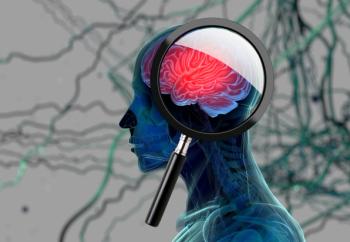
The FDA cleared an IND for FG001, allowing a U.S. trial in high-grade glioma, with first patient enrollment expected in second quarter of 2026.
Phase 2 study shows proton therapy kept 79.1% of patients progression free at five years and limited severe side effects compared with older radiation data.
In CATNON, 12 cycles after radiation extended median survival past 12 years in IDH-mutant disease while concurrent dosing showed no benefit.
Drs. Miller, Orringer and Yang explain IDH testing, treatment options, quality of life and caregiver roles for patients with IDH-mutant glioma.
I witnessed that being a patient with cancer requires significant attention and care. Over time, I discovered that how we define our experience — and using a proactive mindset — are meaningful factors in the journey.
Patients with recurrent or progressive high-grade meningioma had encouraging responses to Verzenio in a phase 2 trial.
A 27-year brain tumor survivor shares how mindset, resilience and purposeful action helped her thrive beyond what cancer statistics predicted.
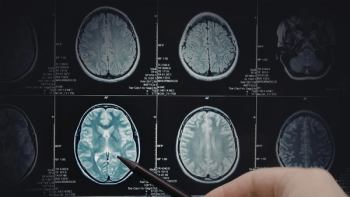
Long-term CATNON trial results show radiotherapy followed by adjuvant temozolomide extends survival in patients with newly diagnosed anaplastic glioma.
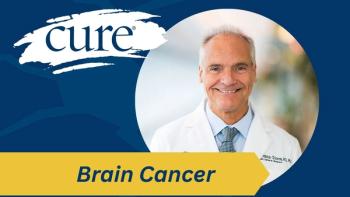
CURE sat down with Dr. E. Antonio Chiocca to discuss a new brain cancer treatment being studied in an ongoing clinical trial.

Since I was diagnosed with a brain tumor in 1998, I have endured highs and lows, including fearful dives, not knowing if I could live. I learned despair is a great teacher.
IGV-001 improved survival for newly diagnosed glioblastoma in a phase 2b trial, with patients living a median 20.3 months and no serious safety issues.
Voranigo was safe and well tolerated in patients with grade 3 or 4 IDH-mutant gliomas, a type of brain cancer.
Imbruvica plus R-MPV led to high response rates and was tolerable for patients with newly diagnosed primary central nervous system lymphoma.
Eflornithine plus Gleostine was associated with superior overall survival and progression-free survival in grade 3 IDH-mutated astrocytoma.
Intraventricular B7-H3 CAR T-cell therapy was well tolerated up to 1 x 10⁷ cells per infusion and showed early signs of activity in recurrent glioblastoma.
Voranigo plus Temodar was safe in glioma with IDH1/2 mutations.
Early data from the SJ901 study show Gomekli generates responses with manageable side effects in children and young adults with low grade glioma.
Early data indicate Voranigo is rapidly being used in newly diagnosed and previously treated patients with IDH-mutant glioma, highlighting ongoing treatment needs.
Researchers identified a potential unmet need for an effective early treatment with minimal toxicity for patients with slow-growing IDH-mutant gliomas.
I reflect on my brain tumor journey, sharing how gratitude, love and connection with my parents and others strengthened me through difficult times.
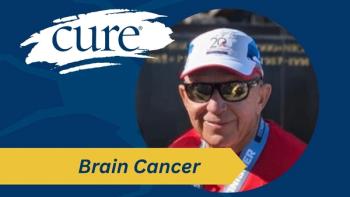
For U.S. Marine Corps veteran and devout marathon runner Hank Donigan, not even a diagnosis of brain cancer could slow him down.
The FDA has granted orphan drug designation to tinostamustine, an investigational therapeutic, for the treatment of patients with malignant gliomas.
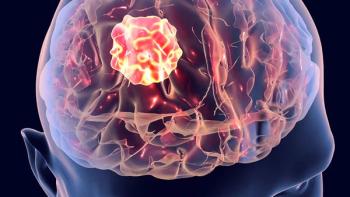
Longer-term trial results show Voranigo may help control grade 2 IDH-mutated glioma after surgery for those who can delay chemotherapy and radiation.
Exousia Pro, Inc. received orphan drug designation from the FDA for malignant glioma, also known as glioblastoma multiforme or GBM.
The FDA granted rare pediatric disease designation to iopofosine-131 for treating relapsed or refractory pediatric high-grade glioma.
Advertisement
Advertisement
Trending on CURE
1
Oncologist Explains What the Rasonque Approval Means for Patients With Metastatic Pancreatic Cancer
2
Dolly Parton, 80, Dies Following a Brief Battle with Cancer
3
Oncology Nurse Leads With Compassion and Resilience
4
Jim Day Was Given 6 Months to Live. Then He Tried a Cancer-Fighting Virus
5