


Brain Cancer
Latest News
Advertisement
Latest Videos



Advertisement
More News
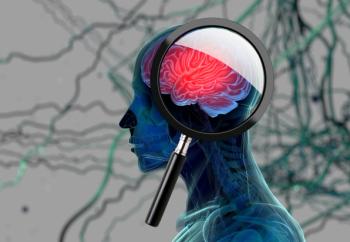
The FDA granted rare pediatric disease designation to iopofosine-131 for treating relapsed or refractory pediatric high-grade glioma.
The FDA has granted fast track designation to MT-125 for the treatment of patients with glioblastoma.
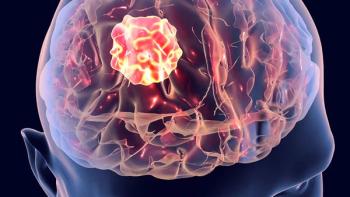
In patients with operable, newly diagnosed brain metastases, GammaTile was associated with reduction in the risk of tumor recurrence or death.
Press Release
Registration is now open for the National Caregivers Self-Care and Tools online educational event on November 7th, 2025 at 11AM Pacific Time.
The FDA granted orphan drug designation to cintredekin besudotox for glioblastoma, supporting further research for this aggressive brain cancer.
CAR-T cell therapy has cured some children with blood cancers and is being studied in solid tumors, where responses differ due to how these cancers grow.
Dr. Patrick Wen discussed with CURE how Modeyso treats diffuse midline glioma, and what unmet needs remain for patients now that the therapy is available.
The FDA has granted orphan drug designation to the investigational therapy BA-101 for the treatment of patients with glioblastoma.

In August 2025, the FDA approved various anti-cancer treatments across a range of disease types, such as colorectal, lung cancer and brain cancer.

Non-drug therapies, counseling and telehealth improved pain, mood and communication in cancer care, though older adults and minorities remain underrepresented.
The FDA’s accelerated approval of Modeyso for diffuse midline glioma with an H3 K27M mutation sets the stage for more treatment advancements.
CAR-T cell therapies are now being explored for the treatment of solid tumors like gliomas, Dr. Tanja A. Gruber explained in an interview with CURE.
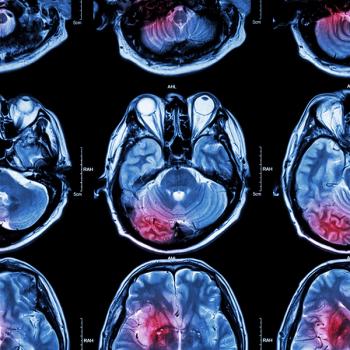
A nationwide survey of patients and caregivers has found educational and financial disparities in brain cancer care.
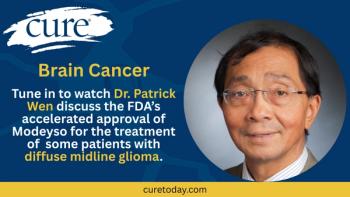
The accelerated approval of Modeyso for diffuse midline glioma with an H3 K27M mutation, is a step in the right direction but more work remains.

The U.S. FDA granted accelerated approval to Modeyso for patients with diffuse midline glioma with an H3 K27M mutation with progressive disease.

After surviving brain surgery, I found clarity, strength, and unexpected joy; facing my fears became the turning point, not the diagnosis.

After brain surgery for a malignant tumor, I faced fears, found strength, and embraced living in the moment as I begin treatment and healing.
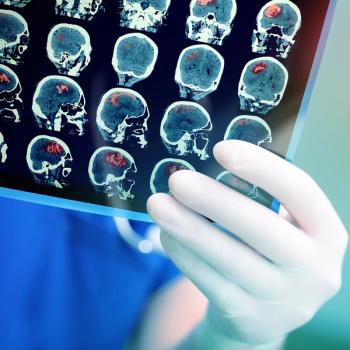
Even six years after brain tumor surgery, invisible symptoms like brain fog and memory loss shape how I live, cope, and find gratitude every day.
SH-110, a liquid cancer treatment for glioma, earned orphan drug status from the FDA, helping patients who struggle to swallow pills access therapy.
New clinical trials are advancing in hard-to-treat cancers, offering targeted and less toxic options for patients with limited treatment paths.
The FDA granted orphan drug designation to a CAR T-cell therapy for recurrent glioblastoma and high-grade astrocytomas.
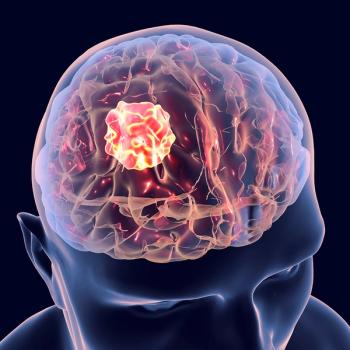
Two glioblastoma patients treated with Temferon have lived 3 years post-surgery; one had no progression, the other stabilized after initial progression.

Kasey Rangan discusses ways that families of patients with pediatric brain cancer can advocate for themselves, especially when it comes to mental health.

After a brain tumor diagnosis and infection, I celebrate recovery with family at the beach, embracing life’s precious moments together.
Trials enrolling patients with relapsed leukemia, lymphoma and brain cancers, respectively, report early data showing safety/activity with novel therapies.
Advertisement
Advertisement
Trending on CURE
1
5 Years of Leukemia Advances: A Timeline of FDA Approvals and What They Mean for Patients
2
3 More Lung Cancer Breakthroughs From WCLC 2026
3
Blood Cancer Treatments in the FDA Pipeline: What Could Come Next
4
Oncology Nurse Leader Brings Stem Cell Transplant Care Closer to Home
5