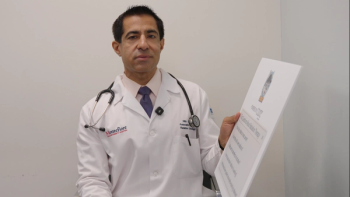
Dr. Nitin Ohri explains how radiation treats cancer, how often treatment is needed, common side effects and how to tell if radiation is working.

Spencer, Senior Content Associate of CURE®, has been with MJH Life Sciences since 2024. A graduate of Rowan University with a bachelor's degree in health communication, Spencer manages CURE's content strategy across all platforms. He also enjoys spending time with family and friends, hiking, playing guitar and rock climbing.
Dr. Nitin Ohri explains how radiation treats cancer, how often treatment is needed, common side effects and how to tell if radiation is working.

Ivonescimab outperformed Keytruda, a new myeloma drug lowered progression risk by 60% and more: the biggest phase 3 cancer results of September 2026.
A combination of Zenbexus, Darzalex and dexamethasone nearly doubled the rate of deep, MRD-negative responses in relapsed multiple myeloma.

Dr. Maureen McEvoy explains breast cancer surgery options, reconstruction, recovery and how to close gaps in access to care.
An expert discusses August's FDA approvals for myeloma, polycythemia vera and essential thrombocythemia, plus first-line myeloma care and MRD testing.
A genomic test led physicians to change extended endocrine therapy recommendations for 42% of people with early-stage HR-positive breast cancer.

These seven breast cancer clinical trials are recruiting patients now, spanning early-stage, HR-positive, HER2-positive and triple-negative disease.
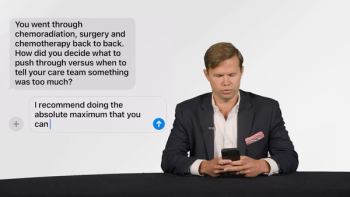
In the latest installment of CURE's "Text a Survivor" series, Brad Moore answers some of the most common questions people have about living with and beyond a colorectal cancer diagnosis.

Three new studies from WCLC 2026 show strong results in ROS1-positive NSCLC, EGFR-mutant NSCLC and relapsed small cell lung cancer, offering fresh options.
September is Blood Cancer Awareness Month, and the pipeline for leukemia, lymphoma and myeloma is as active as it has been in years.
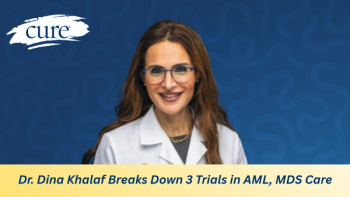
Dr. Dina Khalaf explains the ASCERTAIN-V, MyeloMATCH MM1MDS-A01 and HOVON 181 trials and what patients with AML or MDS should ask before enrolling.

WCLC 2026 brought new lung cancer data on HER2-mutant, PD-L1-positive and EGFR exon 20 insertion-positive non-small cell lung cancer. Here's what patients should know about three key studies.
Hargitay shared her thoughts with CURE regarding her father’s journey, her motivation for speaking out now, and the key message she wants to convey to patients today.

A new study found alcohol-attributable cancer deaths in the U.S. rose from 11,361 in 1990 to 23,126 in 2023, with men and older adults most affected.

Dr. Doured Daghistani discusses how childhood cancer treatment, survivorship care and immunotherapy have evolved this Childhood Cancer Awareness Month.

One prostate cancer combination is awaiting an FDA decision this year, and several late-stage trials could produce the next filings. Here's what to watch.
Four breast cancer treatments are awaiting FDA decisions, with two due before the end of 2026. Here's what's under review, what the data show and what it means.
NEJM-published phase 1/2 data show RASONQUE achieved a 42% response rate and 89% disease control in RAS mutant metastatic lung cancer.
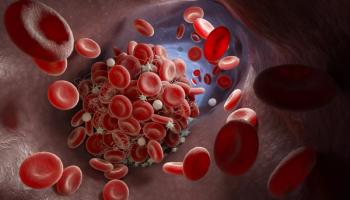
In the phase 3 CERVINO trial, etentamig improved response rates and progression-free survival compared with standard therapies in patients with relapsed/refractory multiple myeloma.

The FDA approved six cancer drugs in August 2026, including a landmark pancreatic cancer pill. Here's what each approval means for patients and side effects.
Rob Lowe joins CURE Talks Cancer to share his grandmother's breast cancer journey, including the clinical trial that helped prolong her life after she was twice told to get her affairs in order.
Tagrisso plus Orpathys improved progression-free survival in patients with EGFR-mutated lung cancer and MET overexpression, SANOVO trial shows.

A UCLA study found patients with cancer who used biosimilars paid less out of pocket, and their insurers paid far less, than those on brand-name biologics.
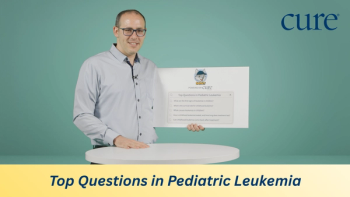
In a new video Q&A with CURE, Dr. Silverman answers the most searched childhood leukemia questions.
Long-term follow-up of a trial found patients with recurrent prostate cancer lived longer after receiving the pTVG-HP vaccine than GM-CSF alone.

ASCO updated its guideline to recommend broader first-line HER2-targeted treatment options, with immunotherapy for eligible patients with PD-L1 expression of 1% or higher.

Adding the personalized mRNA therapy intismeran autogene to Keytruda cut melanoma recurrence and spread risk after surgery, a Phase 3 trial found.

A gynecologic oncologist on the testing that shapes treatment, the side effect not to push through and why fertility questions can't wait.
The FDA granted accelerated approval to Zenbexus with daratumumab and hyaluronidase-fihj and dexamethasone for previously treated multiple myeloma.

Nicole Schulz was 14 when she received an AML diagnosis. She shares what carried her through two transplants and 11 months in the hospital.

Published: August 22nd 2025 | Updated: August 25th 2025

Published: February 5th 2025 | Updated: May 19th 2025
November 11th 2025