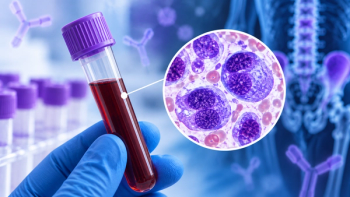
Updated NCCN guidelines for multiple myeloma add dedicated recommendations for MRD testing, prefer tests that can detect one cancer cell among 1 million cells and expand when testing should occur.
2025 brought key advances in blood cancer treatment, research, and patient insights across multiple myeloma, lymphoma, leukemia and MDS.
Last year brought notable developments in blood cancer treatment and research, highlighting multiple myeloma, lymphoma, leukemia and myelodysplastic syndromes. These advancements included new drug approvals, clinical trial findings and personal insights from patients navigating their diagnoses. Here are the top five stories for patients with blood cancer from 2025.
Early results suggested patients could achieve strong responses with fewer medications, and side effects were generally manageable. Clinicians noted that this strategy could make treatment schedules easier and reduce the burden of frequent clinic visits. Some patients also reported an improved quality of life from having a simpler therapy plan.
“This approach may allow patients to begin treatment with fewer medications without compromising outcomes,” researchers said, highlighting the potential for broader use in newly diagnosed multiple myeloma.
Journalist and patient
Her story illustrated how unpredictable blood cancers can be and how patients can navigate ongoing treatment while preserving quality of life. Jaouad’s perspective highlighted practical strategies for coping with the uncertainty and stress of repeated cancer treatment.
“Every day is precious, and I try to live it as if it’s my first,” Jaouad said, underscoring the value of intentional living despite ongoing medical care.
In the phase 3 IMerge trial, Rytelo significantly reduced patients’ need for red blood cell transfusions during the first 24 weeks of treatment. Side effects, including low platelet and neutrophil counts, were generally manageable and resolved within four weeks for most patients.
“As the first and only treatment of its kind, Rytelo represents an important new option,” said Dr. Joseph Eid, Geron’s executive vice president of Research and Development. The therapy offers a new choice for patients whose anemia does not respond to standard erythropoietin-based treatments.
This article explains
Options include watchful waiting for slow-growing lymphomas or active treatment with targeted therapies or immunotherapy. Understanding your diagnosis, treatment plan and potential side effects helps you make informed decisions and participate actively in your care.
This article focuses on patients whose
The article emphasizes the importance of discussing personalized options with your healthcare team, including clinical trials. Patients are encouraged to consider the benefits, potential side effects and long-term outcomes when planning ongoing treatment.
For more news on cancer updates, research and education, don’t forget to