






Advanced Melanoma
Latest News
Advertisement
Latest Videos
Advertisement
More News
Learn about nodular melanoma symptoms, diagnosis and treatments like immunotherapy to prepare for important conversations with your oncologist.

New research suggests gut bacteria may play a role in fatigue and pain experienced by melanoma patients receiving immunotherapy.

Learn about superficial spreading melanoma, from the ABCDE diagnostic rules to the latest in immunotherapy, targeted care and surgical options.
Diakonos Oncology receives FDA Fast Track status for DOC1021, a dendritic cell immunotherapy for patients with advanced or metastatic skin cancer.

A patient facing brain surgery finds comfort in "Grey's Anatomy" tropes and a surprise hospital dinner provided by her boyfriend's local restaurant.

A patient recounts sudden vision changes leading to brain tumor surgery and a switch from immunotherapy to targeted therapy and new TIL treatment.
From blurred vision to brain surgery, a melanoma patient shares treatment twists, immunotherapy setbacks, and why TIL therapy offers new hope.
Learn how advanced melanoma is staged and treated, from immunotherapy to hospital support, with clinician insights and a patient’s perspective.

Researchers identified gut microbiome markers that predict melanoma return after surgery, allowing doctors to personalize immunotherapy for patients.
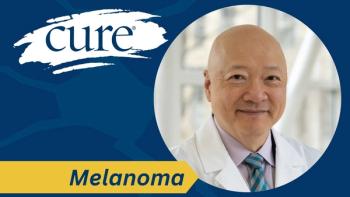
Dr. Michael K. Wong explains why immunotherapy makes skin hypersensitive, and how to spot red-flag reactions during melanoma care.

Dr. Alexander Meves explains how the Merlin CP-GEP test uses molecular data to help melanoma patients safely avoid unnecessary lymph node surgeries.

Karen Knudsen, CEO of the Parker Institute for Cancer Immunotherapy, discussed how the standard of care for melanoma is evolving.
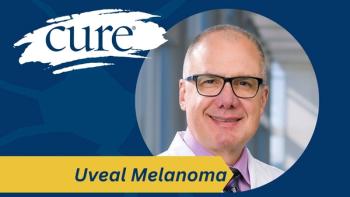
A study led by Dr. J. William Harbour of UT Southwestern Medical Center marks a shift in how doctors predict the spread of uveal melanoma.

Patients with advanced melanoma experienced high response rates when treated with commercial Amtagvi in a real-world clinical study.

The FDA cleared a phase 3 trial for iSCIB1+ after data showed 74% progression-free survival at 16 months for patients with advanced melanoma.
The FDA has granted orphan drug designation to IFx-2.0 for patients with stage 2B to stage 4 cutaneous melanoma.
Dr. Ariel Ostad explains how addressing uncertainty and scananxiety through communication and support can improve the cancer care experience for patients.

The FDA cleared a phase 3 trial of iSCIB1+ for advanced melanoma after phase 2 data showed improved progression free survival versus standard care.
Advertisement
Advertisement
Trending on CURE
1
Exercise Gave Me Control. It Didn’t Cure My Cancer
2
Six Years Later, Most Myeloma Patients on a Darzalex Regimen Are Still Progression-Free
3
A Light-Based Treatment Is Now FDA Approved for a Common Skin Cancer
4
Why Ostomy Supplies Are Not One Size Fits All for Cancer Survivors
5