








After 19 years of survivorship, one cancer survivor reflects on life's changing seasons, managing scan anxiety and finding support beyond treatment.
After 19 years of survivorship, one cancer survivor reflects on life's changing seasons, managing scan anxiety and finding support beyond treatment.

Psychiatrist Dr. Yesne Alici of Memorial Sloan Kettering Cancer Center answers questions about family relationships during cancer, from asking for help to talking with children and friends.

Among more than 12,000 cancer survivors 65 and older, those who stayed physically active after diagnosis tended to have lower health care costs, an American Cancer Society study published Oct. 21, 2026, in CANCER found.

The FDA grants traditional approval to Keytruda and Keytruda Qlex for TMB-H solid tumors, updating the threshold to at least 13 mutations per megabase.
Martha Carlson reflects on her 11 years with metastatic breast cancer and explores how resilience, purpose and the stories we tell ourselves shape the cancer experience.
A study found that 1 in 9 older cancer survivors developed a second cancer, highlighting why routine screening remains important beyond five years.
After breast cancer at 30, Aisha shares her journey through motherhood, a double mastectomy, body image struggles and the challenges of survivorship.
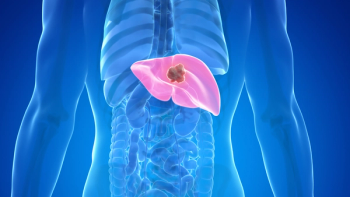
Learn why hepatitis B can reactivate during cancer treatment, which therapies increase the risk and how antiviral medicines can help protect liver health.
After her sister’s Hodgkin lymphoma diagnosis, remission and relapse, a caregiver reflects on follow-up care, guilt and finding hope between cancer battles.
After a pancreatic cancer diagnosis upended his life and career, one survivor reflects on treatment, resilience and finding hope more than a decade later.
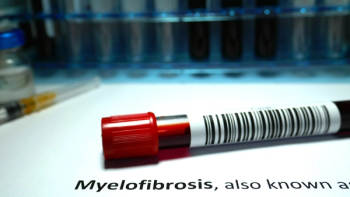
The American Society of Hematology published 2026 guidelines for adults with myelofibrosis on Oct. 14, 2026, with 10 recommendations on genetic testing, JAK inhibitors, anemia, transplant referral and aspirin.

A study found that sentinel lymph node biopsy rarely missed remaining cancer in patients with locally advanced breast cancer whose lymph nodes responded to chemotherapy before surgery.
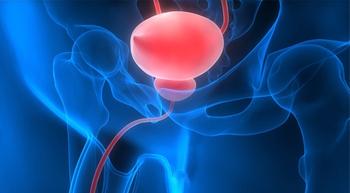
Alternating two long-used bladder treatments cleared cancer in 24 of 25 patients whose disease had returned after BCG, an early study found. A larger trial comparing the approach with BCG alone is now enrolling.

Lower income, later diagnosis and gaps in treatment drove most of the excess deaths among rural patients, according to new research.

The FDA has cleared TumorSight Risk, software that uses a patient's existing breast MRI, pathology and clinical information to estimate the chance that early HR-positive, HER2-negative breast cancer will come back within five and 10 years.
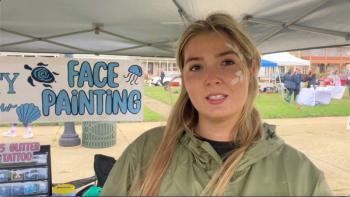
Emma Halligan found connection at a free New Jersey retreat for women with cancer, which held its annual walk and 5K on Oct. 17.

Twenty-four years after breast cancer, one survivor reflects on mammogram anxiety, the relief of clear results and the gratitude of living beyond cancer.

The immunotherapy may allow some patients with a specific genetic subtype of rectal cancer to avoid surgery, radiation and chemotherapy.

In a randomized trial of nearly 100,000 women in Germany, 3D mammography found a larger share of breast cancers at the screening visit, but its 24% lower rate of cancers found between screenings was not statistically significant.
Eileen Carter was told she had two to three years to live after a stage 4 breast cancer diagnosis. A second opinion changed her care.
Chester Freeman reflects on hiding the scars from his childhood tumor surgeries for decades and finally feeling comfortable in his own skin at 60.
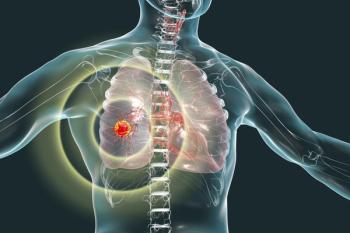
Depending on dose, firmonertinib shrank tumors in 43% to 68% of patients as a first treatment for EGFR PACC-mutant lung cancer in the phase 1b FURTHER trial.

Debbie Legault, whose daughter was diagnosed with breast cancer at 27, urges shoppers to skip pink ribbon products and donate directly to support organizations.

A study of 52,236 patients with cancer found that episodes of unintended weight loss affected 46.63% of patients and were tied to shorter overall survival.

Diagnosed with leukemia at 8 years old, Harper feared that losing her hair would change who she was. She reflects on body image, confidence and finding a sense of herself during cancer treatment.
A psycho-oncologist answers 5 common questions about cancer-related anxiety, depression, fear of recurrence and emotional well-being.

U.S. counties where more residents had medical debt in collections had higher rates of late-stage lung, head and neck, colorectal and several other cancers, according to a study of 2,958 counties published in October 2026 in JAMA Network Open.
Diagnosed with stage 4 breast cancer weeks after giving birth, Eileen Carter explains why getting a second opinion changed the course of her care.

Libtayo survival data, a rare positive osteosarcoma trial and new ADCs for breast, lung and stomach cancers are among ESMO 2026 abstracts to watch.

Diagnosed with bone cancer at 14, college setter Gabby Orlet shares how volleyball, honesty and her family carried her through years of treatment.