



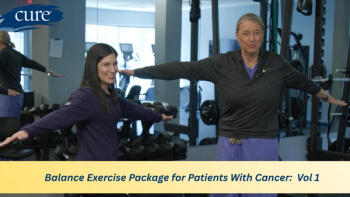
The first Balance Exercise Package for patients with cancer features tandem standing to improve balance, reduce fall risk and support everyday movement.
The first Balance Exercise Package for patients with cancer features tandem standing to improve balance, reduce fall risk and support everyday movement.

Kaitlyn Palsson, RN, of Utah Cancer Specialists, draws on her childhood Type 1 diabetes diagnosis and family history of cancer to bring deep empathy and purpose to every patient interaction.
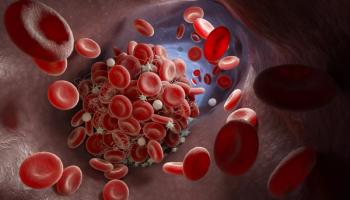
Learn what angioimmunoblastic T-cell lymphoma is, how it's staged, how each stage is treated and what survivorship looks like.

Discover why walking with a partner can help cancer survivors stay safe, motivated and connected while improving physical and emotional well-being.
After reaching remission from stage 3B non-small cell lung cancer, one survivor shares the emotional journey of healing, hope and finding a new normal.

Discover how AI can help breast cancer patients understand medical terms, prepare for appointments and navigate treatment with confidence.

The FDA approved Keytruda plus Padcev before and after bladder surgery for adults with muscle-invasive bladder cancer, expanding treatment options.

The FDA approved Sarclisa Escena, a new subcutaneous treatment option for adults with multiple myeloma across newly diagnosed and relapsed settings.
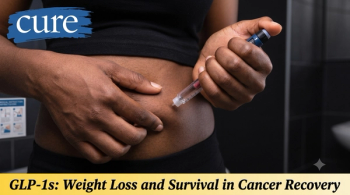
ASCO 2026 findings and patient stories show how GLP-1 drugs improve metabolic health and potentially transform breast cancer survivorship.

Kristin Johnson, MSN, RN, OCN, of MD Anderson Cancer Center, combines clinical trials work with volunteer advocacy for ovarian cancer patients and survivors of human trafficking.

In a glioblastoma phase I trial, repeated brain injections of modified immune cells doubled progression-free survival to 16.1 months versus 8 months.
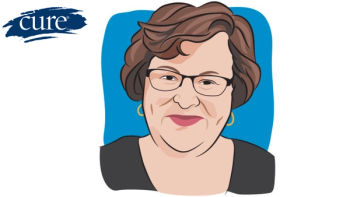
A baseball cap unexpectedly transported a breast cancer survivor back to treatment, ultimately becoming a powerful symbol of resilience and recovery.
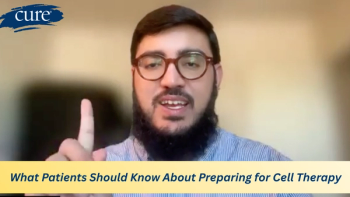
Before starting cell therapy, patients need more than hope — they need a plan. Dr. Muhammad Tariq breaks down what to expect at each step.

The 2026 World Cup is more than soccer—it’s a reminder of resilience, joy, and perseverance, and why small moments can lift us through life's challenges.
Press Release
Join LiveLung's Charlotte meeting to learn how The White Ribbon Project is raising lung cancer awareness, reducing stigma and supporting patients.
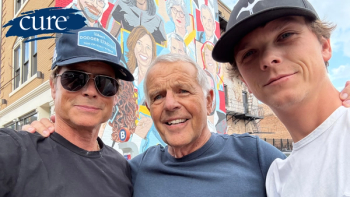
Partnering with Lilly on a clinical trial awareness campaign, the actor reflects on his grandmother's record-setting survival and the simple message he wants every patient to hear.
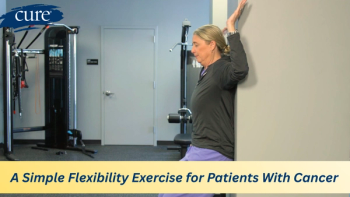
Oncology PT Dr. Leslie Waltke shares an easy at-home thoracic spine stretch to ease tightness, improve posture, and support lung capacity.

Follow one brain tumor survivor's 28-year cancer journey and discover lessons on finding answers, resilience, integrative care, and hope.

Two pediatric oncology nurses created a food pantry to ease food insecurity, providing weekly groceries that help families focus on their child's cancer care.
Twelve years after cancer, one survivor explains why every cancer-free anniversary deserves celebration and why gratitude never has an expiration date.
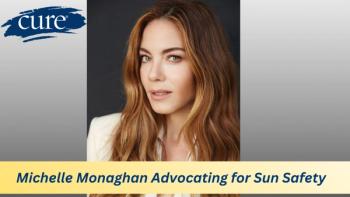
Actress and author Michelle Monaghan shares her melanoma journey, the importance of early detection and her new book empowering kids to prioritize skin health.

Zachary Rieke, of MD Anderson Cancer Center, pioneered a screening tool to identify and address food insecurity among pain management patients.

Susan Rux, RN, of Fox Chase Cancer Center, leads federally funded research to expand clinical trial access for underrepresented kidney cancer patients while mentoring the next generation of oncology nurses.
After a $15,000 insurance bill delayed her lymphoma treatment, one survivor shares why self-advocacy is essential for every cancer patient.

Anna Cummings, BSN, RN, of Memorial Sloan Kettering Cancer Center, manages complex immunotherapy trials while building deep, trusting bonds with her cancer patients.
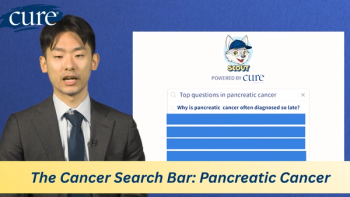
Get expert answers to the top pancreatic cancer questions, including symptoms, surgery, new treatments, hereditary risk and early diagnosis.
FDA approves Tregzi, a new cell therapy that helps reduce chronic graft-versus-host disease after donor stem cell transplant in adults with blood cancers.

Katrina Columna, FNP, of Memorial Sloan Kettering Cancer Center, blends deep clinical expertise with steady compassion across GI and GYN oncology and early-phase clinical trials.
Living with follicular lymphoma can complicate other medical decisions. One survivor shares how cancer uncertainty delayed treatment for hip pain.

AURORA, a phase 3 trial, is testing aglatimagene besadenovec plus Keytruda in patients with lung cancer who progressed on immunotherapy.