







In the phase 2/3 STAR-TREC trial, 78.5% of patients given long-course chemoradiotherapy kept their rectum at 12 months, versus 60.6% with short-course radiotherapy.
In the phase 2/3 STAR-TREC trial, 78.5% of patients given long-course chemoradiotherapy kept their rectum at 12 months, versus 60.6% with short-course radiotherapy.

In the phase 3 SHARE trial, salvage radiation given in 26 sessions kept cancer in check as well as 33 sessions did, with more late bowel side effects.
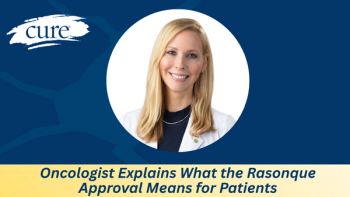
Rasonque offers a new targeted treatment option for metastatic pancreatic cancer. Dr. Kristin Higgins explains the approval, trial results and side effects.

I have worked alongside Lori Ranallo for 23 years and watched her guide patients with breast cancer from diagnosis through survivorship and beyond.

GYN oncologist Dr. Ami Vaidya, explains what gynecologic cancers are, why awareness matters and how patients can learn to recognize symptoms.
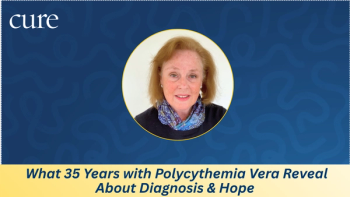
Nona Baker discusses the misdiagnoses that came first, why families need support and what has changed since.

A friend’s 28-year cancer journey taught one woman how to find hope, stay optimistic and live fully after her own incurable cancer diagnosis.

FDA approves Rasonque, a first-in-class targeted therapy for metastatic pancreatic cancer, offering a new treatment option for eligible patients.

A testicular cancer survivor shares his story of early detection, embracing failure, and redefining success through hard-won life lessons.
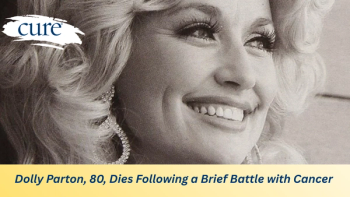
Dolly Parton has died at 80 following a brief battle with cancer. Learn what is known about her diagnosis, legacy and resources for those affected.
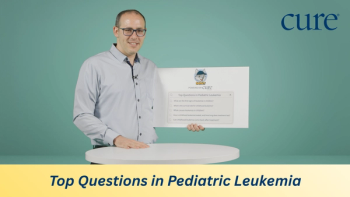
In a new video Q&A with CURE, Dr. Silverman answers the most searched childhood leukemia questions.
An incoming medical oncologist at the University of Cincinnati on how patient values shape treatment, and what precision medicine can now target.
Breast oncologist Dr. Zunairah Shah explains how breast cancer research is improving treatment, biomarker testing and options such as antibody-drug conjugates.
FDA approves Ziihera combinations for first-line treatment of HER2-positive advanced gastroesophageal adenocarcinoma, expanding treatment options.
Dr. Matthew Karr explains how CAR T-cell therapy works, who may be eligible and how doctors decide when to treat or monitor cancer.
A medical oncologist at UC San Diego Health on choosing between surgery and radiation, and why precision oncology changes what patients should ask first.

After years of writing about my own cancer, I sat down to write my 94-year-old mother's obituary and learned how differently the two forms hit.
Nicole Echols discusses Lung Cancer Initiative, reducing lung cancer stigma, biomarker testing, early detection and support for patients and caregivers.
Dr. Jia Luo explains how chemotherapy, targeted therapy and immunotherapy work for lung cancer, plus tips for managing treatment side effects.
Jill May, RN, BSN, OCN, of Allina Health Cancer Institute, guided a liver cancer patient and his caregiver wife through three years of treatment, setbacks and ultimately hospice care with unwavering devotion.
Long-term survivorship in small cell lung cancer was not expected 20 years ago. A radiation oncologist explains what that shift means for patients today.

Janet Fuller, DNP, RN, OCN, of Vanderbilt University Medical Center, helped two young breast cancer patients form a support group that now guides dozens of women through diagnosis and treatment.

A decade after my double mastectomy, I went to the cardiologist worried about my heart and left having shared my breast cancer story with a stranger.

Three years after ringing the bell for lymphoma, the cancer came back in my brain. Choosing hospice care was the hardest decision I have ever had to make.

Long-term follow-up of a trial found patients with recurrent prostate cancer lived longer after receiving the pTVG-HP vaccine than GM-CSF alone.

ASCO updated its guideline to recommend broader first-line HER2-targeted treatment options, with immunotherapy for eligible patients with PD-L1 expression of 1% or higher.
Cancer drugs sit in a protected class under Medicare Part D, but plans can still deny coverage. A researcher from Vanderbilt found that many of those denials do not hold up under outside review.

Andrew Evens, DO & Joanna Rhodes, MD on CLL's transformation, CAR-T vs bispecifics, Hodgkin survivorship, and delivering world-class lymphoma care across New Jersey.

In five months, we lost the land, the travel and the retirement we had planned together, and then learned my husband's lymphoma had come back in his brain.

Cat-camel exercises can gently improve spine mobility and comfort. Learn how this simple movement can support flexibility during cancer recovery.