





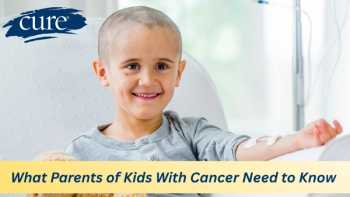
A pediatric oncologist explains how scalp cooling, fertility preservation and early planning protect children with cancer well beyond treatment.
A pediatric oncologist explains how scalp cooling, fertility preservation and early planning protect children with cancer well beyond treatment.

"Losing friends to metastatic breast cancer brings cumulative grief. Self-care, community, and honoring memories can help you cope with repeated loss." -Martha Carlson

ZUSDURI's ENVISION trial shows a non-surgical, office-based option that reduces bladder cancer recurrence and improves patient quality of life.
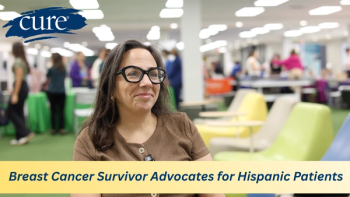
After surviving breast cancer and relapsed non-Hodgkin lymphoma, Maitte Penalver is helping Hispanic patients with cancer feel seen, heard and supported through advocacy and education.
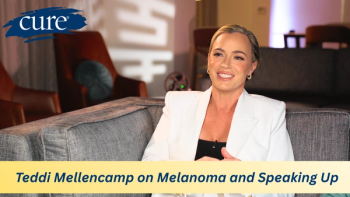
The former Real Housewives star opens up about her melanoma journey, the nurses who kept her sane, and why vulnerability might be the most powerful health tool there is.
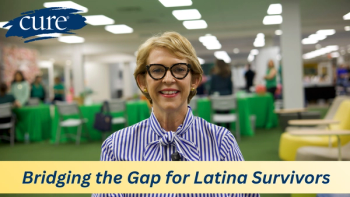
Survivorship coach Eileen Lopez Tomei discusses the unique cultural barriers Hispanic and Latina cancer survivors face and why bilingual community events matter.
Oncology PT Dr. Leslie Waltke shares a simple at-home exercise to help cancer patients and survivors rebuild strength, balance and mobility.
After a stage 4 colon cancer diagnosis at age 40, survivor Kasia Orzechowska now advocates for early screening and self-advocacy to help save lives.
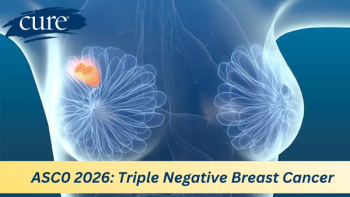
New ASCO data show a TNBC drug combo works for nearly all patients no matter their tumor's genetic profile.

FDA approves Welireg plus Keytruda for adults with high-risk renal cell carcinoma following nephrectomy based on phase 3 LITESPARK-022 trial results
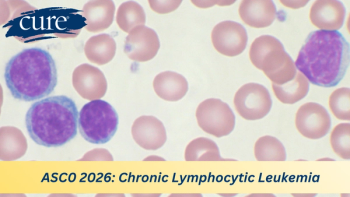
New data show a leukemia treatment working better in real patients than expected with response rates nearly double what trials showed. Here's what it could mean for you.
Olympic gymnast Shannon Miller marks 15 years cancer-free, sharing how her platform Salto Health helps survivors bridge the gap in practical support.
Psychologist Ian Sadler explains why many patients with cancer face anxiety and emotional challenges after treatment ends and why mental health support matters.
Updated COMMANDS trial data show Reblozyl improved survival and long-term transfusion independence vs. Epogen in lower-risk MDS patients.

Early ASCO data show emiltatug ledadotin produced durable responses in patients with aggressive adenoid cystic carcinoma.
Five-year KEYNOTE-942 data show a personalized cancer vaccine plus Keytruda reduced recurrence risk in patients with high-risk melanoma.
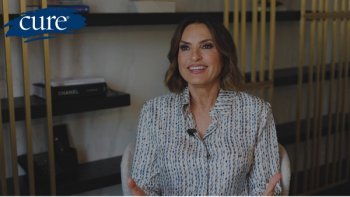
Mariska Hargitay discusses her father's myeloma, hope from research and the importance of community and caregivers for patients.
Monjuvi and Revlimid plus R-CHOP helped patients with high-risk diffuse large B-cell lymphoma stay in remission longer and reduce relapse risk.
Trodelvy plus Keytruda extended benefit beyond progression in PD-L1-positive metastatic triple-negative breast cancer.

Dr. John Marshall answers common questions about colorectal cancer, including biomarker testing, treatment options, second opinions and more.

A uterine cancer survivor shares her journey through severe bleeding, emergency surgery, daily radiation treatments, and managing post-chemo GI issues.

A survivor shares her personal journey with stage 2A breast cancer, from choosing a bilateral mastectomy to navigating chemotherapy and hair loss.

A 26-year story of survival: Overcoming myelofibrosis, finding a match for a bone marrow transplant, and enduring severe GVHD to help others.
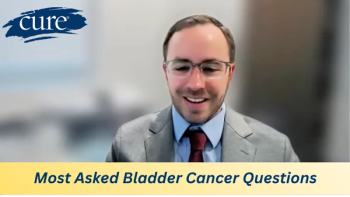
Learn the answers to common questions about bladder cancer, including symptoms, risk factors, stages, BCG therapy, side effects and treatment options.
MosunPola improved progression-free survival and response rates over R-GemOx in transplant-ineligible relapsed large B-cell lymphoma.

Appeals, peer-to-peer reviews and external reviews often overturn insurance denials, helping patients access recommended cancer care.
ONS study shows education improved oncology nurses' confidence discussing medical cannabis, helping reduce stigma and support safer care.
A breast cancer survivor honors her brother’s legacy 50 years after his death by updating her donor registry status to support vital cancer research.
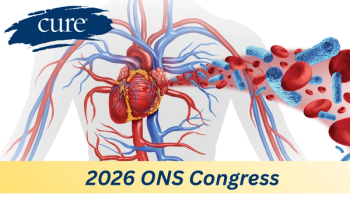
Nurse-led ONS study identifies strategies to reduce CLABSI risk in hematologic cancer care through standardized workflows and documentation.

Investigational bispecific antibody pumitamig achieved a 70% response rate and disease control in all evaluable patients with advanced NSCLC.