September brought new options for breast, lung, kidney, bile duct, skin and neuroendocrine cancers, plus a brain tumor scan and easier lung cancer treatment.
Small cell lung cancer grows quickly. Learn how it’s diagnosed, staged and treated, and what patients can expect from therapies and side effects.
Small cell lung cancer, or SCLC, is an aggressive type of lung cancer that grows and spreads quickly. It most often develops in the central airways of the lungs. SCLC is typically classified by stage, which describes the size of the tumor and whether it has spread to nearby lymph nodes or other organs. Early discussion with your oncologist about treatment options and potential side effects can help you make informed decisions throughout your care.
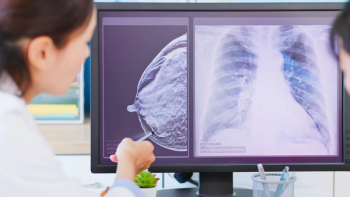
SCLC is diagnosed through a combination of imaging, biopsies and laboratory tests. Chest CT scans, PET scans and MRI may be used to assess the tumor and check for spread. A tissue biopsy confirms the diagnosis and provides information on how the cancer might respond to therapy. Your oncologist may also recommend additional tests to evaluate your overall health and lung function.
Stage 1 SCLC is confined to one area of the lung and has not spread to nearby lymph nodes. This early stage gives more treatment options, including surgery, and the goal is often curative.
Stage 2 SCLC has grown larger or may have spread to nearby lymph nodes but is still limited to the chest. Treatment usually involves a combination approach to target both the tumor and potential spread.
“Within the last few years, there have been some changes in our standard of care that have really led to substantial benefits for patients,” Rudin said. “One has been the advent of immunotherapy. As it as for many cancers, the addition of immunotherapy to our chemotherapy backbone improves the probability of long-term benefit, and for some patients, offers truly transformative benefits. So that's been a major advance, really, over the last six or seven years.”
Stage 3 SCLC has spread more extensively within the chest, often involving multiple lymph nodes or nearby organs. This stage is usually treated with aggressive combined therapies.
Metastatic SCLC has spread beyond the chest to distant organs such as the liver, brain or bones. Treatment focuses on controlling the disease, improving symptoms, and extending quality of life.
Treatment side effects vary depending on the therapy used. Common chemotherapy side effects include fatigue, nausea, hair loss, lowered blood counts and increased risk of infection. Radiation therapy can cause skin irritation, coughing or difficulty swallowing. Immunotherapy can trigger immune-related side effects such as skin rash, diarrhea or inflammation in organs. Your care team will monitor side effects closely and provide strategies to manage them.
SCLC is a fast-growing cancer, but understanding your diagnosis and treatment options can help you navigate care decisions. Ongoing communication with your oncologist is critical to choosing the right therapies, managing side effects and discussing clinical trials that may be appropriate. Support from nurses, social workers and patient resources can help you maintain quality of life throughout treatment.
Editor's note: This article is for informational purposes only and is not a substitute for professional medical advice, as your own experience will be unique. Use this article to guide discussions with your oncologist. Content was generated with AI, reviewed by a human editor, but not independently verified by a medical professional.
For more news on cancer updates, research and education,