
SAR446523, an investigational antibody targeting GPRC5D, received FDA orphan drug status and is in phase 1 trials for relapsed/refractory multiple myeloma.

Spencer, Senior Content Associate of CURE®, has been with MJH Life Sciences since 2024. A graduate of Rowan University with a bachelor's degree in health communication, Spencer manages CURE's content strategy across all platforms. He also enjoys spending time with family and friends, hiking, playing guitar and rock climbing.
SAR446523, an investigational antibody targeting GPRC5D, received FDA orphan drug status and is in phase 1 trials for relapsed/refractory multiple myeloma.

A resilience program for young people with advanced cancer helped patients cope early on and led to a better quality of life after 6 to 12 months.
Jaypirca led to better response rates than Imbruvica in some previously treated patients with chronic lymphocytic leukemia or small lymphocytic lymphoma.
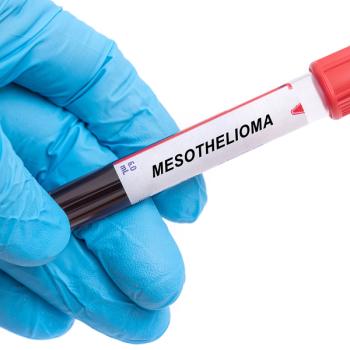
The FDA awarded orphan drug designation to VT3989 for mesothelioma, supporting the experimental cancer treatment’s development.

Imfinzi plus chemo cut progression or death risk in early gastric cancer; the FDA's decision is expected late 2025 following breakthrough designation.
Cytopenia at myelofibrosis diagnosis raises risk of acute myeloid leukemia and lowers survival, highlighting the need for tailored treatment strategies.

Gedatolisib combined with Faslodex and Ibrance improved progression-free survival in patients with advanced breast cancer after prior therapies.

Patients with essential thrombocythemia faced an average delay of 26.5 months between their first high platelet count and diagnosis.
New clinical trials are advancing treatments for cutaneous T-cell lymphoma, advanced solid tumors, pediatric sarcomas and ALK-positive lung cancer.
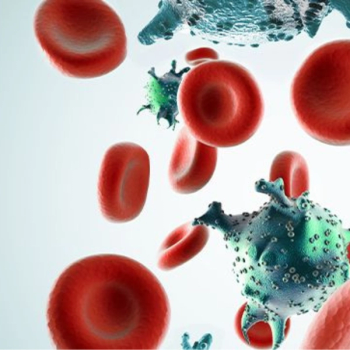
Doptelet and new oral sprinkle granules is approved for children one year and older with chronic immune thrombocytopenia, showing 28% durable platelet response in study.
Barbera credits Dr. Donna Klobocista’s compassionate guidance before surgery for giving her confidence; now she mentors others facing ovarian cancer.

Fotivda preserved quality-of-life scores in kidney cancer, with better outcomes in second-line use and no added benefit from combining with Opdivo.

Adding SCIB1 or iSCIB1+ to standard treatments helped more patients with advanced melanoma respond and live longer without extra side effects.
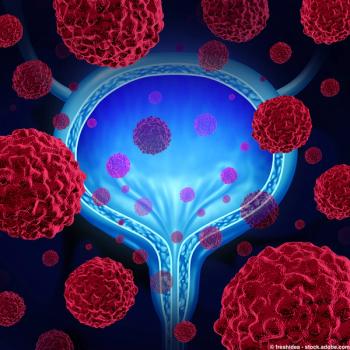
Patients with high-risk bladder cancer reported similar quality of life when treated with sasanlimab plus BCG versus BCG alone, new study data showed.

The FDA granted fast track status to DB-1310, a HER3-targeting antibody-drug conjugate, for advanced nonsquamous non-small cell lung cancer.

A system that alerts doctors when high-risk cancer patients are admitted helped reduce hospital readmissions and shorten hospital stays in a recent study.
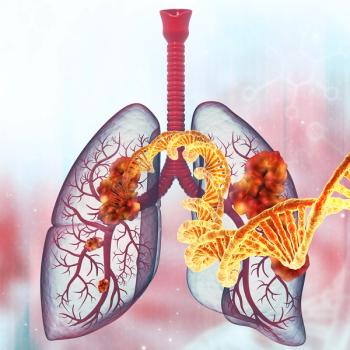
Tagrisso with chemo significantly improved survival and progression-free outcomes versus Tagrisso alone in newly diagnosed advanced EGFR-mutated lung cancer.

Treatment with Zusduri had a median duration of response of 3.5 years and event-free survival of two years in low-grade intermediate-risk bladder cancer.

The absence of tobacco use suggests alternative carcinogenic mechanisms may contribute to lung cancer development in younger individuals.

FDA grants priority review to TAR-200, which demonstrated an 82% complete response in high-risk bladder cancer unresponsive to Bacillus Calmette-Guérin.

SH-110, a liquid cancer treatment for glioma, earned orphan drug status from the FDA, helping patients who struggle to swallow pills access therapy.
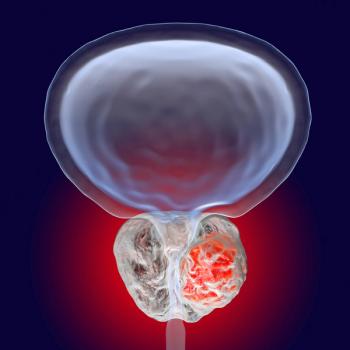
Carotuximab plus Erleada proved safe in the first 10 patients with metastatic castration-resistant prostate cancer dosed on the phase 2 trial.

Bria-IMT plus a checkpoint inhibitor improved survival versus Trodelvy and chemo in patients with heavily pretreated metastatic breast cancer.
Monjuvi added to Rituxan and Revlimid extended progression-free survival from 14 to 22 months in follicular lymphoma, according to Dr. Christina Poh.
A real-world study showed a 49% response rate with Amtagvi in patients with advanced melanoma, supporting earlier use after immunotherapy.
The FDA granted fast track designation to TRE-515 plus radioligand therapy for treating PSMA-positive metastatic castration-resistant prostate cancer.
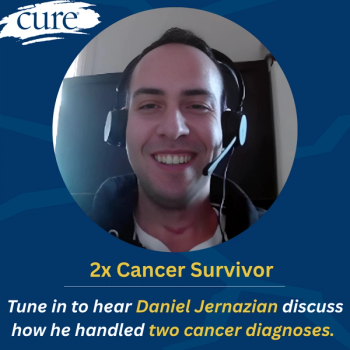
Daniel Jernazian, a two-time cancer survivor, shares how sports, advocacy and meeting his idol shaped his journey through illness and recovery.
Stoboclo and Osenvelt, FDA-approved biosimilars of Prolia and Xgeva, are now available in the U.S. for variois cancers and cancer-related bone conditions.

In a phase 2 study, 52% of patients treated with Bria-IMT plus a checkpoint inhibitor for metastatic breast cancer were alive at one year.

New clinical trials are advancing in hard-to-treat cancers, offering targeted and less toxic options for patients with limited treatment paths.