

The FDA granted a positive review for an acute myeloid leukemia drug trial, with initial dosing expected in 2025.

Spencer, Senior Content Associate of CURE®, has been with MJH Life Sciences since 2024. A graduate of Rowan University with a bachelor's degree in health communication, Spencer manages CURE's content strategy across all platforms. He also enjoys spending time with family and friends, hiking, playing guitar and rock climbing.
The FDA granted a positive review for an acute myeloid leukemia drug trial, with initial dosing expected in 2025.

FDA grants orphan drug designation to HLX22 for gastric cancer, with a phase 2 trial showing improved progression-free survival and objective response.
CAR-T therapy for myeloma faces challenges in early-line use due to accessibility, eligibility criteria and long wait times, despite strong efficacy in trials.
Immune response data from FLAMINGO-01 shows positive results in patients with HER2+ breast cancer, suggesting potential for further treatment expansion.

Camrelizumab combo doubled the five-year survival rate in advanced squamous lung cancer, reducing mortality risk by 43%, in a Phase 3 trial.

The COCOON trial regimen reduced dermatologic side effects in patients with EGFR-mutant non-small cell lung cancer, phase 2 trial data showed.

The phase 3 trial showed relacorilant with chemotherapy improved progression-free and overall survival in platinum-resistant ovarian cancer.

FDA expands Pluvicto indication to adults with PSMA+ metastatic castration-resistant prostate cancer previously treated with androgen receptor inhibitors.
Favorable initial results from a phase 1/2 trial of solnerstotug in PD-L1–resistant tumors showed a 14% response rate and 62% disease control rate.

A progress report for a phase 1 trial of CLD-101 in recurrent glioma shows safety and feasibility at multiple intracerebral doses.
EVM14 received FDA clearance for clinical trials, marking Everest Medicines’ first in-house developed therapeutic to reach this stage.
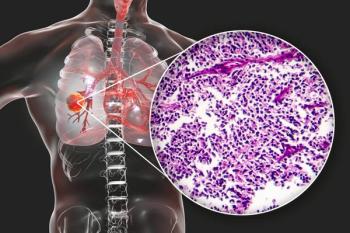
The first patient has been dosed in the phase 3 TACTI-004 trial evaluating efti with Keytruda and chemotherapy for advanced non-small cell lung cancer.

The first patient was dosed in a phase 3 trial of IBI354 for platinum-resistant ovarian cancer with HER2 expression.

Dr. Zachariah H. Foda discusses key colorectal cancer warning signs, the rise in younger diagnoses and more.

First patient dosed in phase 1b/2a trial for castration-resistant metastatic prostate cancer, evaluating pocenbrodib alone and with other drug combinations.
FDA grants fast track designation to azer-cel, an allogeneic CAR T-cell therapy, for relapsed or refractory diffuse large B-cell lymphoma.

Gavreto is recommended as a first-line treatment for metastatic RET fusion-positive, metastatic non-small cell lung cancer, with potential severe side effects.

Elevation Oncology discontinues EO-3021 for gastric and gastroesophageal junction cancers after phase 1 trial shows insufficient efficacy.

Gene expression testing helps determine chemotherapy needs for HR+ breast cancer, optimizing treatment and reducing unnecessary toxicity.

The FDA has approved Keytruda plus chemotherapy in HER2+ gastric or GEJ adenocarcinoma with PD-L1–positive expression, based on KEYNOTE-811 data.

Genetic and genomic testing guide breast cancer risk assessment and treatment, as discussed by Dr. Mark Robson at the Miami Breast Cancer Summit.
Treatment with the T-cell immunotherapy Orca-T improved survival free of moderate-to-severe chronic graft-versus-host disease across leukemia subtypes.

Elahere shows consistent survival benefits in patients with folate receptor alpha-positive platinum-resistant ovarian cancer in the MIRASOL trial.

The FDA has granted orphan drug designation to PEP-010 for pancreatic cancer, advancing its development as a potential novel treatment for the disease.
Real-world data suggest Jakafi shows limited benefits in CALR-mutated myelofibrosis.
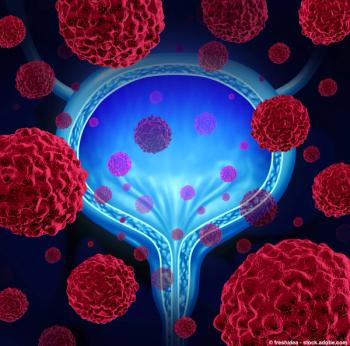
Jelmyto demonstrated long-term efficacy in low-grade upper tract urothelial carcinoma, with most maintaining complete response after several months.
Following the Bacillus Calmette-Guérin shortage, the first patient with bladder cancer has been dosed with recombinant Bacillus Calmette-Guérin in the U.S.

The first patients have been enrolled in the HEROES trial, exploring de-escalation of anti-HER2 therapy in metastatic HER2+ breast cancer using circulating tumor DNA.

RECKGIST score may predict recurrence in neurofibromatosis type 1 GISTs, potentially guiding treatment decisions, according to study findings.

Vepdegestrant improved progression-free survival in patients with estrogen receptor 1 mutations in advanced ER-positive, HER2-negative breast cancer.