
Iopofosine-131 received FDA breakthrough status for relapsed or refractory Waldenstrom macroglobulinemia, showing strong response rates in early trials.

Spencer, Senior Content Associate of CURE®, has been with MJH Life Sciences since 2024. A graduate of Rowan University with a bachelor's degree in health communication, Spencer manages CURE's content strategy across all platforms. He also enjoys spending time with family and friends, hiking, playing guitar and rock climbing.
Iopofosine-131 received FDA breakthrough status for relapsed or refractory Waldenstrom macroglobulinemia, showing strong response rates in early trials.

Higher radiation doses in lung cancer treatment carry no added risk of inflammation and may improve survival.

Rina-S led to a 50% response rate, including two complete responses, in heavily pretreated advanced endometrial cancer, according to early trial findings.

The FDA approved Nubeqa for metastatic castration-sensitive prostate cancer based on significantly improved radiographic progression-free survival data.

Blocking serotonin transporters with antidepressants boosted CD8 T cell function and enhanced immunotherapy response in mouse and human tumor models.

The FDA has accepted and granted priority review to an NDA for sevabertinib in previously treated HER2+ non-small cell lung cancer.

Neoadjuvant efti and Keytruda plus radiotherapy met the EFTISARC-NEO trial's primary end point by improving tumor fibrosis in soft tissue sarcoma.

Radiation therapy can treat lung cancer at all stages, easing symptoms, improving precision and minimizing side effects with modern techniques.

The first patient has received treatment with mavrostobart plus chemo in the phase 1/2 MORNINGSTAR trial for advanced solid tumors, including lung cancer.
A patient with relapsed follicular lymphoma achieved complete remission one month after PMB-CT01 treatment in the phase 1 PMB-102 trial.
DPOAE testing showed no hearing loss in children with retinoblastoma treated with intra-arterial paraplatin, suggesting preserved cochlear function.

ZL-1310 earns fast track designation in extensive-stage small cell lung cancer after early trial data showed tumor shrinkage in most patients treated.

Tumors shrank more with the addition of acoustic cluster therapy to chemotherapy in colorectal liver metastases in the phase 1 ACTIVATE trial.
Younger patients with lung cancer are more likely to have mutations that allow for targeted therapies, which can lead to more personalized and effective treatment.

Melanoma care varies by stage, with early cases being treated with surgery, whereas advanced disease often requires immunotherapy or targeted therapy.
The first patient has received CX-801 plus Keytruda in a phase 1 trial for metastatic melanoma, aiming to assess safety and early antitumor activity.

Younger patients with grade 3 oligodendroglioma have fewer molecular abnormalities and longer survival than older patients, a study found.

Managing fatigue, sleep, urinary symptoms and depression is key to improving cognitive function in those receiving radiation therapy for prostate cancer.

Leronlimab increased PD-L1 in patients with triple-negative breast cancer, potentially making cold tumors responsive to immune checkpoint inhibitors.
The FDA has approved Zynyz as a first-line treatment in combination with chemo and as a single-agent following progression in advanced anal cancer.
Efti plus Keytruda and chemo achieved a 61% response rate in first-line advanced non-squamous non–small cell lung cancer, outperforming historical data.
Lumakras plus Vectibix showed improved overall survival and response rates in KRAS G12C metastatic colorectal cancer, though not statistically significant.
The FDA approved Welireg for adult and pediatric patients 12 and older with locally advanced, unresectable or metastatic pheochromocytoma or paraganglioma.

Aidixi plus toripalimab met progression-free and overall survival study end points versus chemo for patients with HER2-expressing urothelial carcinoma.

The addition of Erleada to ADT may provide less benefit in patients with metastatic castration-sensitive prostate cancer and fewer bone metastases.

Treatment with Perjeta, Herceptin and chemotherapy post-surgery led to a significant overall survival benefit in HER2-positive early-stage breast cancer.
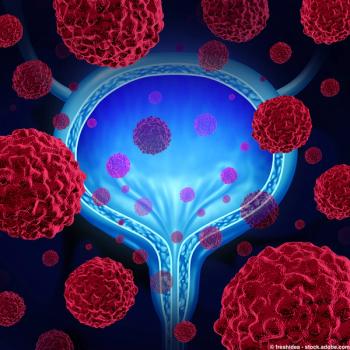
Imfinzi plus BCG induction and maintenance therapy showed a statistically and clinically meaningful improvement in DFS for some with bladder cancer.
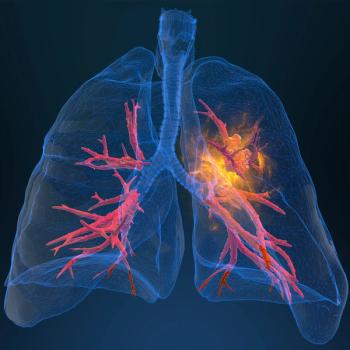
Biomarker testing is vital for all patients with lung cancer, especially younger individuals who have higher rates of actionable mutations.
Treatment with the Avmapki Fakzynja Co-pack received accelerated FDA approval for previously treated low-grade serous ovarian cancer with KRAS mutations.

Danyelza is now a recommended treatment in NCCN guidelines for relapsed or refractory high-risk neuroblastoma, a type of brain cancer.