Relatives of people with BRCA1 or BRCA2 variants completed genetic testing more often when a navigator reached out directly than when they received a letter.
Dr. Obeid says genetics and ongoing monitoring guide treatment and survivorship helping patients and families plan ahead and detect recurrence earlier.
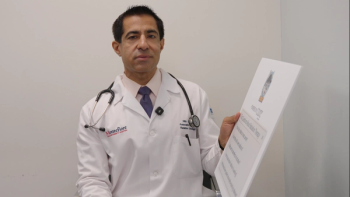
Understanding personal and inherited risk remains an important part of care even after a cancer diagnosis, helping guide treatment decisions, long-term monitoring and family planning, according to Dr. Elias Obeid, medical director of the Hennessy Institute for Cancer Prevention and Applied Molecular Medicine at Hackensack Meridian John Theurer Cancer Center.
In an interview with CURE, Obeid explained that risk assessment helps patients and care teams better understand why cancer developed and whether genetics may play a role. That information can influence surgery, radiation or systemic therapy choices and may also shape follow-up care. Ongoing monitoring, tailored screening and family conversations can support earlier detection and help patients feel more prepared and informed throughout survivorship.
Obeid: So even after the diagnosis of cancer, risk assessment remains an important thing, and it's critical for many of the patients who go through cancer. It helps us and helps them understand, first, why the cancer occurred. It does also help them understand whether the genetic component is there and what it means for them and their future health, as well as for their family and for how their cancer is going to be treated. So risk doesn't really stop at the time of diagnosis, but it informs the patients about their cancer, their treatment options, as well as prevention strategies as they move forward with their plan.
So, risk assessment can directly influence treatment choices, for example, surgical decisions for the cancer, the use of radiation for the cancer, as well as systemic therapy. We can always go about certain examples, but there are some individuals with certain genetic dispositions to cancer who may not be, or should not be, candidates for radiation. Genetic predisposition to cancer would tell them about their surgical decisions. In terms of systemic therapy, we do have certain medications now that are given based on the genetic information that we obtain, so really it does inform the surgery, radiation, as well as systemic therapy options. Now, long term, it does help them understand, in terms of surveillance, what they need to do, the strategies for intervention, for monitoring, etc.
Early detection and survivorship are about catching disease earlier when it's more treatable and the outcomes are better. So when you catch cancer at this earlier stage, the outcomes, we know, are usually excellent, as opposed to a later-stage cancer, when the outcomes might not be as good. And therefore, this may involve a tailored approach — for example, imaging, blood-based testing that is now coming, symptom monitoring based on individual risk, etc. So we're not really reacting to the cancer diagnosis, but we are anticipating and intervening earlier rather than reacting.
Whenever I meet with patients and individuals when they have a genetic predisposition to cancer, one of the first things I tell them is this is supposed to empower you rather than make you fearful. In fact, most individuals, when they get diagnosed with cancer, they did not know that they were going to get cancer, as opposed to when they have a genetic predisposition and they are getting the monitoring and they get a diagnosis, they actually knew that this could happen, and they are actually doing something about it so that they catch it early. So this is important, and I really tell them that they are empowered about this, and they are armed with information that would help them in the journey, as well as help everyone else in their family, so that the other members in the family are able to know what to do.
I think what patients want to know is clarity. They want to understand. So frequently I get those questions asked: Why did I get this? Did I inherit this? Could my children be at risk? Do my siblings also have the same risk that I have? What should my family do next? So those are questions because we know that we don't live alone. We live with other members of extended family. So these are always the fears that patients have about others, not just about themselves. And when we meet with them, we tell them that this information is going to be helpful to you but also can help other members in your family, including children, siblings, etc.
We always encourage open and supported conversations, often with the help of members of the team, such as experts in genetics like genetic counselors, experts in cancer risk. And when families hear information together, it does reduce misunderstanding. It helps them also in helping them understand the risks that they have, as well as other members of their family have, for example, screening, testing. And it prevents them from this feeling of helplessness and makes them more in charge and able to act.
Cancer does not stop at the time of diagnosis, and once you finish treatment, things continue, right? It's a journey, and ongoing monitoring is important. It's the cornerstone of survivorship. It allows us and allows the patient to help detect cancer recurrence early, if it is going to come back. It also identifies maybe late occurrences of cancer-related therapy toxicities and intervenes before problems escalate further. So survivorship is important, and I think most cancer programs now have survivorship teams where either a nurse practitioner or physician assistant or even the physicians who have been involved in the care for those individuals keep following them throughout the years after the cancer diagnosis.
Caregivers help most by being there for their loved ones. For example, if they are with them during their visits with the oncologist or the care team, they are there, they're listening, they're asking questions, probably writing things down, reinforcing things when they get back home to tell the patients about what they need to do. So really, patients are not alone. So that's really an important part of what they do. They encourage patients for their follow-up appointments, being with them. They help them stay engaged, basically, with the care team and the care plan. And that really makes a difference. And we see that when we take care of patients, those who are really surrounded by family or friends just do better because they have that support.
It's not an easy answer for that because there are multiple things that could happen, but there are patterns of things that could be changing. For example, withdrawal from usual activities, increased irritability, being withdrawn, avoidance of medical discussions. So those are signs that a patient is feeling anxious or overwhelmed. Maybe the sleep pattern is also changing. And these are things that caregivers and family members or friends can notice, and they can encourage the patients to discuss those or maybe bring those things at the time of the appointment, of course without blaming or making sure that patients don't feel that they are at fault for feeling that way, because it's sometimes just a normal feeling to be anxious, feeling overwhelmed. And it's important for patients to have the support and not make them feel like, why do you have this anxiety? Well, it's normal to feel anxious about cancer, so they need the support. They need the medical team to be alerted to that so that we can help patients and make that benefit.
Transcript has been edited for clarity and conciseness.
For more news on cancer updates, research and education, don’t forget to