Libtayo survival data, a rare positive osteosarcoma trial and new ADCs for breast, lung and stomach cancers are among ESMO 2026 abstracts to watch.
Dr. Elena Elimova discusses how Ziihera-based therapy may change treatment for HER2+ locally advanced or metastatic gastroesophageal adenocarcinoma.
At the
In the interview, Elimova reviewed key findings from the trial and their implications for patients. She also discussed how Ziihera-based therapy may reshape treatment for this population, emphasizing the importance of balancing efficacy with toxicity and health-related quality of life.
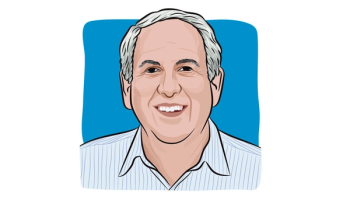
Elimova is a staff medical oncologist at Princess Margaret Cancer Centre in Ontario, Canada, where she is also an associate professor in the Department of Medicine at the University of Toronto.
For patients newly diagnosed with advanced HER2-positive disease, how does Ziihera-based therapy reshape the first-line treatment discussion, particularly when balancing improved efficacy, potential toxicity, and health-related quality-of-life outcomes that matter most to patients?
I think that this study shows that there may be a more effective HER2-targeted therapy for them than trastuzumab. Obviously, we have to wait on regulatory approvals and see what the regulatory agencies say before this drug will be used, but I certainly hope that once the regulatory agencies review this, this will be a new treatment option for our patients.
When you have efficacy that is so significantly improved, most patients are willing to take a risk of higher toxicity. What we are trying to do with this study is to look at whether this toxicity persisted long-term. I think the answer to that question is no, but we are doing a closer analysis into things like health-related quality of life. How did patients feel long-term? Because these are also important outcomes of clinical trials, I think that will better answer your question.
I think all trials should link health-related quality of life outcomes to survival outcomes. I think what matters to a lot of patients is to get that extra time with their families as well. So, having this extent of benefit, I personally think it would be something that I would recommend for my patients if it were available with appropriate management.
Transcript has been edited for clarity and conciseness.
For more news on cancer updates, research and education, don’t forget to