A cancer survivor reflects on losing her hair during chemotherapy, the emotional impact of hair loss and what growing it back taught her about healing, identity and life.
I am profoundly, fiercely grateful for every day beyond that harrowing diagnosis. But gratitude is not silence, and survival is not a finish line.
For most diagnosed with pancreatic adenocarcinoma (PDAC), the life expectancy is measured in months, not years. When you tell someone you're an 11-year survivor of PDAC, the response is usually awe. My friends call me a unicorn — a statistical anomaly in the face of one of the deadliest cancers. And they're right. I am profoundly, fiercely grateful for every day beyond that harrowing diagnosis. But gratitude is not silence, and survival is not a finish line.
Every November, for example, brings pancreatic cancer awareness into sharp focus, yet I find myself conflicted. We celebrate the few of us who make it, often using the powerful, inspiring imagery of the cancer marathon runner — the hero who conquers the disease and bounces back into peak form. This public fallacy does a profound disservice to the vast majority of survivors, including me, who are instead left navigating a complicated, chronically painful “new normal.”
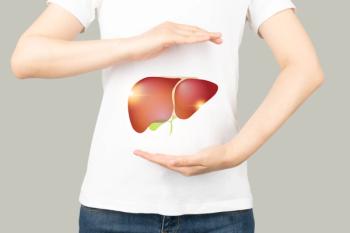
My survival was thanks to the Whipple procedure, or pancreaticoduodenectomy. It was, simply put, a demolition and rebuild of my entire upper gastrointestinal system. This complex surgeryrequired the removal of multiple vital organs, including the head of my pancreas, the gallbladder and the entire duodenum, followed by a reconstruction of my remaining ducts, intestines and pancreas. The standard recovery time is often quoted as two to six months, but that goal felt like a cruel joke I never met. Recovery was slow, and shattered the false promise of a swift return to “normal.”
Eleven years later, the surgery's shadow is long, demanding a multi-medication regimen to function day to day. Without these life-sustaining enzymes and other medications, the lack of absorption would cause my body to starve.
Chronic diarrhea and mobility issues are the daily tax of life. These symptoms are the residual reality of life-saving surgery. The emotional toll leaves a scar on my psyche like a fire that leaves behind the deep, persistent heat of hot embers. What is agonizing is the searing abdominal pain. This pain takes the worst physical toll, often leaving me moaning while forcing me to rock back and forth for relief. In addition to this, the persistent risk of gastroparesis (delayed gastric emptying) — which would occur if I missed my medication, and sometimes even happens despite taking it as prescribed — makes eating painful and planning essential. I work hard not to let these issues consume me.
And here is the ultimate paradox: If you walked by me, you wouldn't have the slightest clue I am permanently disabled. It's a lot deeper than I look. The constant need for planning means spontaneity is gone. I can't just stop and get a snack; my dietary options are extremely limited and require careful consideration, and I never leave home without knowing where every public toilet is. This isn't just my experience; a Dana-Farber Cancer Institute study shows that more than 25% of cancer survivors are significantly disabled after treatment.
But when I mention these challenges, I sometimes see the subtle shift in people's eyes — a look that suggests I'm being ungrateful, that I don't have the right to complain. The heroic narrative demands that survivors be stoic, perfectly recovered and endlessly positive. It implies that if you have been "blessed with more years," you must accept any resulting suffering silently. This is where the narrative falls short and where we need to begin to shift this perspective.
Survival is not a victory parade; it is a long-term contract with chronic illness.
The pain I experience isn't psychosomatic; it's the physical, residual reality of a life-saving, life-altering surgery. It is the cost of the unicorn. We need to create space in the awareness conversation for the survivor who is still fighting — not against the cancer, but against the painful, structural changes left behind. We need to talk about the quality of those extra years, not just the quantity.
Pancreatic cancer remains a brutal disease, and the terror in someone's eyes when you tell them your diagnosis is universal. But let us expand the definition of heroism. The real hero isn't the one who pretends the struggle is over. It's the one who shows up every day, managing pain, adapting their diet, seeking medical help and demanding a more compassionate understanding from the world — especially for the invisible burdens we carry.
My life is a gift I work hard to maintain, but I won't let society's simplistic, heroic narrative invalidate my experience. We need an honest dialogue about survivorship, where gratitude and grief for the life that was lost can coexist with the fierce will to live the life that remains.
Yvette Colón, OD is an 11-year survivor of pancreatic adenocarcinoma who advocates for a more nuanced understanding of long-term surgical recovery and chronic illness.
This piece reflects the author’s personal experience and perspective. For medical advice, please consult your health care provider.
For more news on cancer updates, research and education,