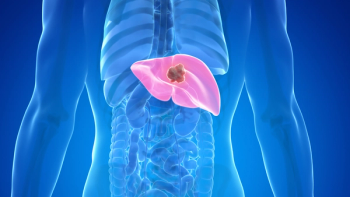
Among patients with gastric or gastroesophageal junction (GEJ) adenocarcinoma, those with a baseline ECOG performance status of 1 experienced worsened patient-reported outcomes (PROs), clinical trial findings have shown.
Findings from a post hoc analysis of the phase 3 RATIONALE-305 trial were presented at the 2026 Gastrointestinal Cancers Symposium.
The post hoc analysis included patients treated during the study with either the experimental regimen of Tevimbra (tislelizumab-jsgr) plus chemotherapy or placebo plus chemotherapy.
Glossary
- ECOG Performance Status: This is a scale from 0 to 5 that doctors use to assess how a patient's disease is affecting their daily living abilities. It helps them determine if a patient is healthy enough for a specific treatment, like chemotherapy or a clinical trial. Lower scores indicate greater abilities.
- Overall Survival (OS): It refers to the length of time from either the date of diagnosis or the start of treatment that a patient remains alive.
- Progression-Free Survival (PFS): This measures the length of time during and after treatment that a patient lives with the disease, but the cancer does not get worse.
- Objective Response Rate (ORR): This is the percentage of patients whose cancer shrunk or disappeared after treatment.
- Duration of Response (DOR): Once a treatment successfully shrinks a tumor (as measured by the ORR above), the duration of response tracks how long that improvement lasts before the cancer begins to grow again.
Notably, when patients were stratified by ECOG performance status (0 versus 1), the analysis revealed no statistically significant differences across gastric/GEJ-specific symptom domains on the EORTC QLQ-STO22 questionnaire, including dietary restrictions (mean, 86.9 for ECOG 0 versus 86.0 for ECOG 1), dysphagia (89.5 versus 88.6), pain/discomfort (81 versus 78.2) and upper GI symptoms (88.5 versus 86.9), suggesting ECOG performance status may not fully capture baseline gastric/GEJ cancer–specific symptom burden.
Conversely, patients with baseline ECOG performance status of 1 had lower odds of reporting favorable PROs compared with those with an ECOG performance status of 0. Specifically, an ECOG performance status of 1 was associated with significantly lower odds of reporting better global health status/quality of life (GSH/QOL; 72.5 for ECOG 0 versus 68 for ECOG 1), physical functioning (89.8 versus 87.6) and pain on the EORTC QLQ-C30 questionnaire. A trend toward worse outcomes was also observed for role functioning (89.3 versus 86.6), although this did not reach statistical significance. No significant associations were observed for constipation (87 versus 86), diarrhea (92.8 versus 93.9) or fatigue (79.4 versus 77.5).
“Among patients with first-line gastric/GEJ, those with [a] baseline ECOG performance status [of] 1 reported significantly worse GHS/QOL, physical functioning and pain [versus] those with [an] ECOG performance status [of] 0, irrespective of treatment arm. Multivariable regression analyses confirmed a lower probability of achieving better PRO scores for patients with ECOG performance status 1 compared with ECOG performance status 0,” lead study author Dr. Marcia Cruz-Correa concluded in her presentation of the results. “These results suggest that integrating baseline PROs into eligibility and/or stratification criteria may improve risk stratification, support more patient-centered trial design and foster more meaningful patient-clinician dialogue at treatment initiation.”
What design characteristics were included in the RATIONALE-305 trial?
In December 2024, the U.S. Foos and Drug Administration (FDA) approved Tevimbra in combination with platinum- and fluoropyrimidine-based chemotherapy for the first-line treatment of patients with unresectable or metastatic, HER2-negative gastric or GEJ adenocarcinoma whose tumors express PD-L1 (≥1). This regulatory decision was supported by prior data from RATIONALE-305, which showed that treatment with Tevimbra plus chemotherapy led to a statistically significant and clinically meaningful improvement in overall survival (OS) at 15 months compared with 12.9 months for placebo plus chemotherapy.