A diagnosis of small intestine cancer can feel overwhelming, especially since this is a rare form of the disease. Understanding your diagnosis, the tests ahead and the treatment landscape is the first step in regaining a sense of control over your care.
The following guide is designed to help you and your family navigate this journey and prepare for meaningful conversations with your oncology team.
Overview
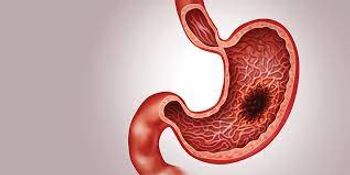
Small intestine cancer occurs when abnormal cells grow in the tissues of the small bowel, the long tube that connects your stomach to your large intestine. Although the small intestine makes up most of the digestive tract, cancer here is rare, accounting for less than 1% of all new cancer cases.
There are four primary types of small intestine cancer, categorized by the cells where they begin:
- Adenocarcinomas: The most common type, starting in the glandular cells that line the intestine. These often occur in the duodenum, the section closest to the stomach.
- Neuroendocrine Tumors (NETs): These start in the hormone-producing cells of the digestive system.
- Sarcomas (including GISTs): These begin in the connective tissues, such as muscle or cartilage.
- Lymphomas: These start in the immune system cells found in the intestinal lining.
Diagnosis
Because the small intestine is coiled deep within the abdomen, it can be difficult to image and examine. Diagnosis often requires a combination of high-tech tools:
- Imaging Tests: Doctors typically start with a CT scan or MRI to view the abdomen and pelvis. A barium X-ray (upper GI series) may also be used to highlight abnormalities as you swallow a liquid contrast.
- Endoscopy: An upper endoscopy allows a doctor to view the duodenum using a thin, flexible tube. If the cancer is deeper, a capsule endoscopy may be used, where you swallow a tiny camera the size of a pill.
- Biopsy: This is the gold standard for diagnosis. A small tissue sample is removed during an endoscopy or surgery and examined by a pathologist to confirm the presence and type of cancer.
- Staging: Once cancer is confirmed, your team will use the TNM system (Tumor, Node, Metastasis) to determine the stage, ranging from stage 1 (localized) to stage 4 (spread to distant organs).
Treatment Options
Your treatment plan will depend on the type of cancer, its location and whether it can be surgically removed (resectable).
- Surgery: This is the primary treatment for most small bowel cancers. Surgeons may perform a segmental resection to remove the tumor and a margin of healthy tissue. If the cancer is in the duodenum, a more complex Whipple procedure may be required.
- Chemotherapy: These drugs circulate through the blood to kill cancer cells. It is often used after surgery (adjuvant therapy) to kill any remaining cells or as a primary treatment if the cancer has spread.
- Radiation Therapy: High-energy rays are used to shrink tumors. This is more common for palliative care — to relieve pain or bleeding — rather than as a first-line cure for small bowel adenocarcinoma.
- Targeted and Immunotherapy: For certain advanced cancers, newer drugs can target specific genetic mutations in the tumor or help your immune system recognize and attack the cancer.
Adverse Effects
Cancer treatment is physically demanding. Communicating your side effects to your oncologist is vital for "supportive care" that keeps you comfortable.
- Surgery: Pain at the incision site, infection risk, and changes in digestion or bowel habits.
- Chemotherapy: Fatigue, nausea, hair loss, and "chemo brain" (memory issues).
- Radiation: Skin irritation (like a sunburn) and localized fatigue.
- Specific drugs: Oxaliplatin can cause neuropathy (tingling in hands/feet), while Irinotecan often causes severe diarrhea.
Conclusion
While a small intestine cancer diagnosis is a significant life event, the field of oncology is rapidly evolving. Access to clinical trials and multidisciplinary care teams — including surgeons, medical oncologists, and dietitians — can provide you with the most advanced options available.
Suggested Next Steps
To prepare for your next appointment, you may want to ask your doctor:
- "What is the specific cell type and stage of my cancer?"
- "Is my tumor resectable, and what is the goal of the surgery?"
- "Are there clinical trials or genetic testing available for my specific tumor type?"
Editor's note: This article is for informational purposes only and is not a substitute for professional medical advice, as your own experience will be unique. Use this article to guide discussions with your oncologist. Content was generated with AI, reviewed by a human editor, but not independently verified by a medical professional.
For more news on cancer updates, research and education, don’t forget to subscribe to CURE®’s newsletters here.