Jyoti Malhotra, MD, MPH on first-in-human clinical trials, lung cancer precision medicine in 2026, the disparities tension in drug development, and her move to Yale Cancer Center.
Dr. Joshua K. Sabari explains how surgery, radiation and therapy may reduce lung capacity and shares steps survivors can take to protect their breathing health.
In a recent video interview, Dr. Joshua K. Sabari, editor-in-chief of CURE, assistant professor at NYU Grossman School of Medicine, and director of high reliability organization initiatives at Perlmutter Cancer Center, discussed how various cancer treatments can impact long-term lung function and what survivors can do to protect their respiratory health.
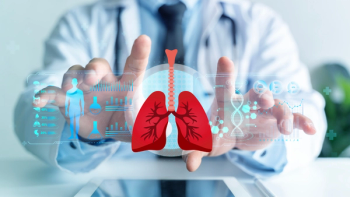
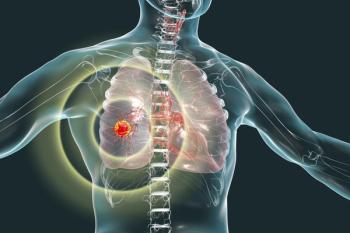
In his discussion, Sabari highlights a critical reality for survivors: Lung tissue does not regenerate or regrow after it has been damaged or surgically removed. This makes the preservation of remaining lung function a top priority. Whether a patient has undergone a lobectomy or experienced scarring from radiation and immunotherapy, the common denominator is a diminished capacity for the lungs to transfer oxygen into the bloodstream.
To counteract this, Sabari emphasizes the need to exercise the remaining lung tissue through physical activity and, most crucially, to immediately cease smoking to prevent further respiratory decline.
How can cancer treatments like surgery, radiation and systemic therapy affect the lungs long term?
Surgery on the lungs — particularly a lobectomy, removal of an entire lobe, or a segmentectomy, removal of a segment of the lung — removes part of [the] lung. The lungs function by taking in … oxygen from the outside, transmitting that oxygen to the blood vessels. The ends get pumped to the whole body. And if you're missing a part of your lung, that ability to take in oxygen and to have that capacity is going to be diminished, so it's very important to know that lungs do not regenerate or regrow. [It’s] very important that we continue to … exercise the other parts of the lung in order to help keep the lung safe.
[It’s] also important, if you're smoking, to quit smoking, because we know that smoking can severely impact lung function. Again, that ability to take in oxygen and to get that oxygen to the rest of the body, things like chemotherapy can also affect lung function. We know that it may affect the blood vessels that take up oxygen in the lungs. Radiation, for example, can cause scarring in the lung … particularly if we're radiating a nodule inside the lung or a lymph node in the middle part of the chest.
Lastly … immunotherapies are medicines that rev up our immune system to better recognize and attack cancer. Sometimes the immunotherapy can cause our own immune system to recognize and attack normal lung tissue, so any scarring that can occur in the lung, both from immunotherapy or from radiation therapy, can affect our lung function.
Transcript has been edited for clarity and conciseness.
For more news on cancer updates, research and education, don’t forget to