

Whenever I received bad news regarding my colorectal cancer, I felt like it was the end — until my therapist told me something that changed everything.
Whenever I received bad news regarding my colorectal cancer, I felt like it was the end — until my therapist told me something that changed everything.
I spent a lot of time after my metastatic breast cancer diagnosis worrying of each experience would be my last. Then I had an epiphany.
Having two supportive nurse navigators by my side during breast cancer made my experience much easier, especially when I wanted mental or physical support.

While I was receiving treatment for endometrial cancer, I received so much support from friends, coworkers and people from my church.

My wife faced ovarian cancer, breast cancer and multifocal motor neuropathy, and I was her only caregiver.
After leaving an unsupportive support group for ovarian cancer, I finally found my pillars of support.

Having my omentum removed after an ovarian cancer diagnosis impacted my quality of life.

From an unexpected encounter in the gym to finding her first prosthesis, a breast cancer survivor recounts two impactful stories in her cancer experience.
After receiving a breast cancer diagnosis, I was faced with many people offering “advice” or commentary about the disease.

When my nurse navigator told me to dance during breast cancer, dancing reminded me to face cancer head-on.

"For their love, support and kindness, I am eternally grateful and blessed to have such people in our lives," said Levinson.

After my mom died at 50 years old, I was certain I wasn't going to reach 50. I'm glad I was wrong.

Having an unwavering cancer community on Facebook has given me strength, which all started after they sent a teal blanket to me.
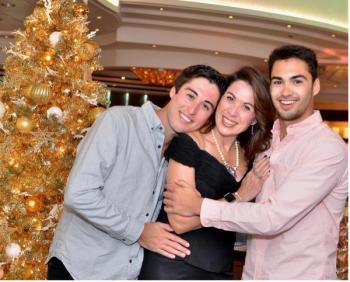
From experiencing the death of loved ones to receiving my own diagnosis and becoming involved in advocacy, my cancer experience has come full circle.

I used to think that having lung cancer canceled all of my life's plans, but I realized I shouldn't give it that much power.

My oncologist said that having a supportive community during cancer is just as important as treatment and I could not agree more — it makes me thankful.

My health care team went back and forth on whether spots on my liver were cancerous, and that put me on an emotional rollercoaster.

Participating in research and leaning on advocacy organizations helped me through my rare cancer diagnosis.

When I looked back on calendars and journals from my time with cancer, I was surprised to see that it was incredibly mundane.

Staying positive while receiving cancer treatment for non-Hodgkin lymphoma helped me feel grateful for happy moments.

Medical school didn't teach me how to help patients find hope during tough times.
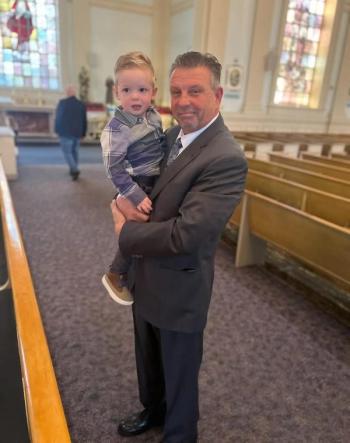
I feel most thankful on Father's Day, especially after being told I'd never be able to have children.

When I told my friends and family I have multiple myeloma, some of them didn't know what to do.

In this poem, a woman with liposarcoma writes about her feelings during a long hospital stay.
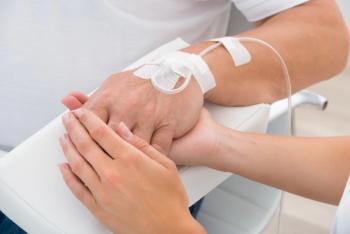
Through it all, poetry was the lens through which I could examine and deal with these very emotional and painful times in my life.
Seeing a young man ringing the bell surrounded by family reminded me of the incredible support I received during ovarian cancer, too.

On the harder days with my husband’s cancer, we would try to remember happy memories to help improve our moods.

Even though I will never be cancer-free from cholangiocarcinoma, I’m ready to face the next chapter in my life and make the most of it.
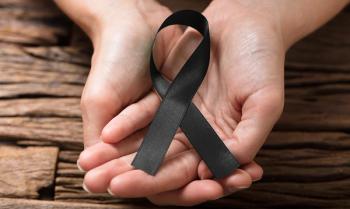
Learning that I had cancer — melanoma and renal cell carcinoma — made me feel like I lost something, but I keep looking ahead.

I expected chemotherapy, radiation and surgery to be difficult, but I felt totally lost after treatment ended.