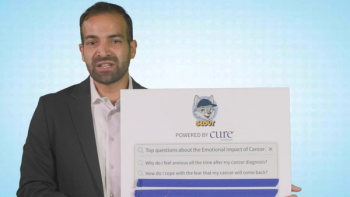
A psycho-oncologist answers 5 common questions about cancer-related anxiety, depression, fear of recurrence and emotional well-being.
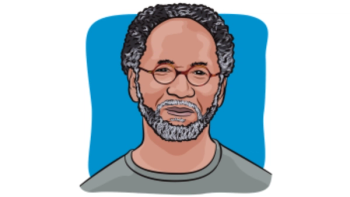
Fred Batchelor, a liver cancer survivor, shares lessons on advocacy and why World Cancer Day keeps patients, families and their communities engaged.
World Cancer Day highlights the shared impact of cancer and the importance of staying engaged and connected across the cancer community. For patients and survivors, it also serves as a reminder that personal experiences can play a powerful role in supporting others navigating similar journeys.
In this interview, Fred Batchelor, a liver cancer survivor and patient advocate, reflects on why he continues to speak out after treatment and what he has learned throughout his health journey. Drawing from lived experience, he discusses the value of community, as well as the role initiatives like World Cancer Day play in uniting patients and advocates.
You can hear more from Batchelor
Batchelor: Staying involved is important. Some people I know who have had this encounter with cancer seem to not stay as connected once it is in remission. I think it is important that you do stay connected because there is always something new going on and there are the connections you make with people who are experiencing the same issue. It is so relevant and valuable to the individuals who deal with this because it becomes a family; you relate to other people and their issues because they are all basically the same since they are human-based.
I thought that telling my story again might open someone else's eyes. It might encourage someone else to get involved, speak up, or voice an opinion and tell others what they went through. Everybody's journey is different, and we can all learn from each other's journeys and connect with people on some level who are experiencing the same things we experience.
Some of the lessons I've learned are, first, don't try to do it alone. Reach out for the help that is extended to you because you are going to need it. There are going to be days when you need someone to listen to what is going on with you or any ideas you might have, so you need to take advantage of whatever help is offered. It is important that you include others who want to help because there are reasons for them being involved.
Also, become a part of the team. Listen to all the information given to you and speak up, even if there is something you might not agree with; maybe it is because you don't understand it totally, so you have to ask. It is hard because some people feel like they can't talk to doctors because they know everything, but they are human. I've learned through my experiences that if I don't speak up, they might not understand where I'm coming from or how this is affecting me. If that happens, I could be mad at them, but it would be my fault for not saying anything. I have learned in dealing with medical issues that it is your body and your issue.
They are here to help, but they need to hear from you about what is going on. They need to know how you feel about a medication or a procedure because maybe it can be done in a better or easier way. You must give them an understanding of where you are while dealing with this issue.
Well, it brings eyes to an issue that is so close to everyone's heart. You know, someone in my family or someone close to me whom I love has cancer. It is happening worldwide; it is everywhere. It is important for people to recognize that we need to focus on it and pay attention to it.
Having these World Cancer Days and bringing the issue to the forefront makes people aware and encourages them to face it and fight it together. I never thought in a million years I would be affected by cancer, but when it comes, it stays with you for a while. So, putting it out there and having events calls attention to what needs to be recognized.
This is an issue that, until it's eradicated, requires us all to gather together to celebrate those who are recovering or in remission and support the ones who need help to get through this journey.
Transcript has been edited for clarity and conciseness.
For more news on cancer updates, research and education,