

We, survivors, often express our gratitude for life, love, support and research, but what about the patients who do not experience positive outcomes from treatment?
We, survivors, often express our gratitude for life, love, support and research, but what about the patients who do not experience positive outcomes from treatment?

When you’ve had cancer do doctors assume every ailment is cancer for you?
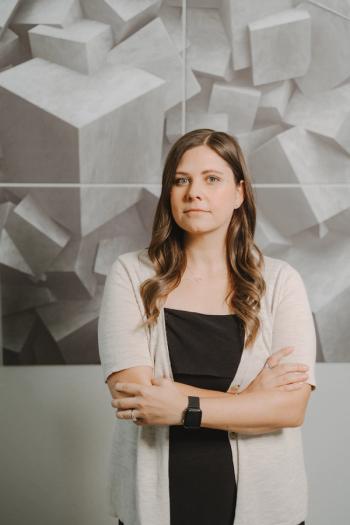
Author and kidney cancer survivor Katie Coleman explains why patients with cancer need to advocate for themselves when navigating the medical system.
Celebrating Thanksgivings after cancer has made me appreciate all aspects of life even more and to truly cherish times of laughter and memories.

As a four-time cancer survivor, I can tell you that survivorship means many things to each survivor.

After my breast cancer diagnosis, I decided to take a more active role in my treatment plan, opting for radiation therapy over chemotherapy due to concerns about side effects.
Preoccupied with other worries during October, a month full of cancer anniversaries, I reflect on how Pinktober caught up with me.

Carla Deschamps shares her experience with colon cancer and how her brother, sisters and parents helped her through the journey.

The risk of cardiovascular disease is elevated in cancer survivors, regardless of treatment, and is influenced by cancer type and treatment-related factors.
I bought 14 precious cancer bracelets in a discount store to help spread awareness about cancer — something I’m ready to speak out about.
I am still struggling to navigate the intrusive questions of well-meaning strangers 17 years after surviving inflammatory breast cancer.
Through journaling and connecting with my faith, I was able to embrace everything I was thinking and feeling during colon cancer.

Rachele is a cancer survivor herself. She can apply her story when relating to patients and their families.
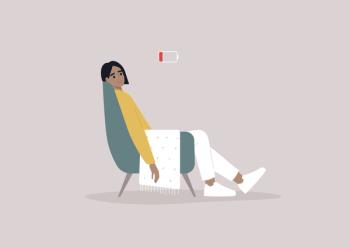
Cancer-related fatigue is felt physically, mentally and emotionally, which can significantly affect one’s quality of life.
Treatment with Yescarta for B-cell lymphoma may be promising within the first five years, but the risk of secondary cancers may reduce survival long term.

Try out these 3 recipes to add different flavor combinations to your meals and provide adequate nutrition for cancer survivors.
As a cancer survivor, I’ve found that support from friends and family makes a difference, so here are three ways they can help during survivorship.

Annie Bond, a comedian and survivor of metastatic breast cancer, started making videos on social media to cultivate a community she needed after her diagnosis.
While spending weeks in the hospital for acute myeloid leukemia, I tried eight fun things to keep me busy.
If you have lymphedema after breast cancer and want to enjoy the company of cats, there are strategies to avoid potential problems, especially scratches.
In preparation for a family member’s wedding, I purchased a new bra and protheses and felt like a princess by doing so.

After being cancer-free for five years, I struggle with my own existence. However, I find meaning in helping others through their cancer experience.

Cancer gave me a new “fluffy” perspective on life.
My views on scars — both physical and emotional — changed throughout my cancer experience.

Reflecting on different reminders that have helped me maintain an empowering mindset and stay motivated on healing with cancer, one day at a time.
After a decade of surviving cancer, I’ve wondered if it’s possible to truly forget I had breast cancer. After a small incident, I thought perhaps it was possible. Now I’m not so sure.
Just like athletes in the Olympics, it's important for cancer survivors to keep track of everything they feel and to know their bodies well.
After receiving cancer treatment and leaving the hospital, sometimes it feels like a safety net has been pulled away and loneliness sets in.

Revised guidelines also recommend mindfulness-based programs, yoga, acupressure and more to ease cancer-related fatigue.

More often lately, I have tied these more specifically to my date of diagnosis. I just can’t get March 3 out of my thoughts. That is when I began to survive cancer.