








Further follow up of the CheckMate-214 trial continues to show the superior long-term outcomes of Opdivo and Yervoy in treatment of patients with advanced renal cell carcinoma.
Further follow up of the CheckMate-214 trial continues to show the superior long-term outcomes of Opdivo and Yervoy in treatment of patients with advanced renal cell carcinoma.

Hope is a tenuous thing, but it is important to foster hope during the cancer journey even when the statistic don't feel hopeful.
All of us could choose to practice gratitude instead of judgment during these challenging times.

The Food and Drug Administration approved the first therapy to treat cancers with rearranged during transfection, or RET, gene alterations.
“(Feeling calm after my breast cancer diagnosis) had to do with the fact that I empowered myself with education.”
Lynparza and Avastin are now approved for patients with advanced ovarian cancer that carries a specific mutation and has responded to previous treatment with platinum-based chemotherapy plus Avastin.
Many cancer survivors are sad because the body has betrayed them. But remembering there is more to strength than just physicality can help cancer survivors.

From a 105-year-old cancer survivor recovering from COVID-19 to a 7-year-old finishing his last chemotherapy treatment for lymphoma and also beating COVID-19, here’s what’s making the headlines in the cancer landscape this week.

Patients with advanced renal cell carcinoma may soon have a new option in the novel combination of Opdivo (nivolumab) and Cabometyx (cabozantinib).

Obesity was associated with increased cardiovascular disease-related mortality and all-cause mortality, as well as potentially increased prostate cancer-specific mortality, in survivors of nonmetastatic prostate cancer.
Being a caregiver can be an isolating experience, but there is a wider community for all caregivers to lean on in their time of need.
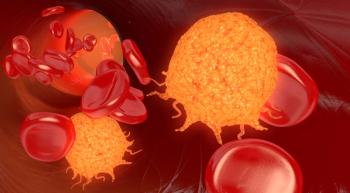
In the first installment of CURE®’s inaugural webinar series, “Hear from the Experts: COVID-19 & Cancer Care for Patients,” Drs. Zainab Shahid, Farukh Awan and Ian Flinn addressed clinical trials that are underway to assess therapeutic approaches to COVID-19, including what role BTK inhibitors might play in treating the virus.
Tabrecta (capmatinib) will treat patients with metastatic non-small cell lung cancer that has a mutation leading to MET exon 14 skipping. The drug is the first targeted option for patients with lung cancer and this type of mutation.

In the first installment of CURE®’s inaugural webinar series, “Hear from the Experts: COVID-19 & Cancer Care for Patients”, Dr. Lee Greenberger addresses steps that the Leukemia and Lymphoma Society have taken to help patients with blood cancer during the COVID-19 pandemic.

People experiencing gastrointestinal symptoms or delays in colorectal cancer care should address these questions with their care team.
As we enter a new normal during the COVID-19 pandemic cancer survivors know all too well what that "new normal" means.
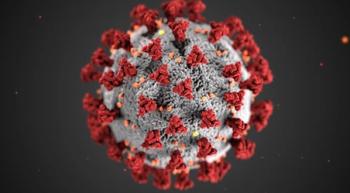
In the first installment of CURE®’s inaugural webinar series, “Hear from the Experts: COVID-19 & Cancer Care for Patients,” Drs. Ian Flinn and Farrukh Awan addressed what patients with blood cancers could do to help boost their immune systems to help prevent infections such as COVID-19, and the risk for patients who are several years removed from receiving a stem cell transplant.

The Food and Drug Administration’s recent approval of the first antibody-drug conjugate to treat patients with pretreated metastatic triple-negative breast cancer is a major milestone, according to one expert.
The Food and Drug Administration’s recent approval of Pemazyre (pemigatinib) is a ‘huge milestone’ for patients with cholangiocarcinoma, according to the advocacy coordinator with the Cholangiocarcinoma Foundation.
You don't have to be "difficult" to speak up for yourself and get the care you deserve.

The PARP inhibitor Lynparza improves survival and delays disease progression in men with metastatic castration-resistant prostate cancer that expresses certain gene mutations inhibiting DNA repair, a study shows.

In the first installment of CURE®’s inaugural webinar series, “Hear from the Experts: COVID-19 & Cancer Care for Patients”, Dr. Ian Flinn and Dr. Saad Usmani how the new coronavirus has affected stem cell transplantations as well as the management of chronic lymphocytic leukemia and myeloma clinical trials.

An imaging technique known as PSMA PET/CT can detect disease spread at diagnosis more effectively than conventional scans, helping doctors to prescribe appropriate treatments.
International Nonprofit Provides 126K+ Swabs Globally to Help Fight Virus

In the first installment of CURE®’s inaugural webinar series, “Hear from the Experts: COVID-19 & Cancer Care for Patients”, Dr. Farukh Awan addresses how the new coronavirus has impacted patient care for those diagnosed with chronic lymphocytic leukemia and myeloma.
Having cancer is hard enough, but "orphan diseases" can add another degree of division and its own form of social distancing.
Surviving cancer teaches us emotional resilience, making even a frightening pandemic something we can decide we can navigate.
The new normal is HARD and SCARY, even for a cancer fighter who's become all too familiar with those conditions over the years.

Each month, we take a look back at the most popular CURE® stories. Here are the top five stories for April 2020.
The Food and Drug Administration approved Darzalex Faspro (daratumumab and hyaluronidase-fihj), a subcutaneous form of Darzalex, for adults with newly diagnosed or relapsed/refractory multiple myeloma.