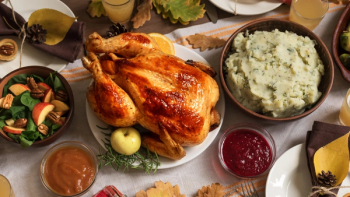
A two-time breast cancer survivor faces her first Thanksgiving without her mother, the caregiver who saw her through cancer, and holds onto her resilience.
When my wife was going through cancer treatments, she sometimes would color my artwork as a distraction. Here’s an activity I made for other survivors, now that it’s the year of the rabbit.
Since art can be such good therapy for those struggling with a cancer diagnosis, I’m going to be creating a number of coloring pages for the readers and contributors here at CURE®. I know my late wife found coloring the pages I often created for her to be a welcome distraction when she was undergoing treatment for BRCA2-associated breast cancer.
Again, I’m not an art therapist. I’m just a career freelance illustrator sharing my creative gifts to help others struggling with this dreadful disease.
READ MORE:
My first activity features a rabbit because, well, according to the Chinese calendar, 2023 is the year of the rabbit. And because there was a rabbit that used to hang out in our backyard that became a sort of mascot for my wife as she struggled with her triple-negative breast cancer diagnosis and treatments.
Living close to a desert preserve here in Phoenix, the
For more news on cancer updates, research and education, don’t forget to