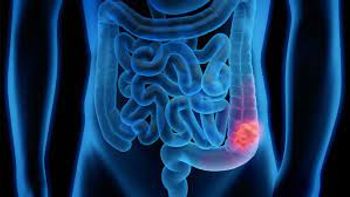
Among patients with locally advanced rectal cancer who were treated with total neoadjuvant therapy and whose doctors continue to monitor for signs of cancer recurrence or spread, the MRI response category was able to predict organ preservation and survival.
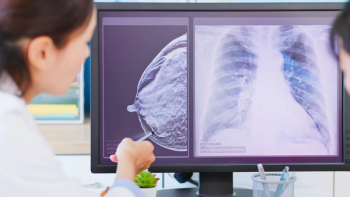
According to study findings published in Radiology, “Restaging MRI can stratify patients treated with total neoadjuvant therapy into clinical response categories predictive of organ preservation, local regrowth and survival,” the study authors wrote.
Restricted diffusion, which often indicates areas of inflammation or damage, and abnormal nodal morphologic features, indicating signs of the disease, on restaging MRI scans were associated with an increased likelihood of any remaining cancer cells after treatment.
Glossary
Neoadjuvant: treatment given before surgery.
Restaging MRI: MRI scans after treatment to assess tumor response.
Complete clinical response (cCR): no evidence of tumor on MRI.
non-complete clinical response (nCR): some residual tumor but no viable tumor cells.
incomplete clinical response (iCR): tumor still present and likely viable.
After a median follow-up of 4.1 years, patients with complete clinical response (cCR) had higher rates of organ preservation compared with those with non-complete clinical response (nCR), at 65.3% versus 41.6%, respectively. Five-year disease-free survival was 81.8% for cCR, 67.6% for nCR and 49.6% for incomplete clinical response (iCR). The MRI response category also predicted overall survival, distant recurrence-free survival and local regrowth. Among the 266 participants with at least two years of follow-up, 129 had restricted diffusion. An analysis showed that the presence of restricted diffusion and abnormal nodal morphologic features remained independently associated with restricted diffusion.
“After undergoing chemotherapy and radiation for rectal cancer, patients are understandably concerned whether their cancer is gone or whether there may be some leftover disease. Using newer MRI techniques, we are now able to predict much better than in the past whether any cancer remains and, if so, whether it will come back and spread,” Dr. Arun Krishnaraj, radiologist, imaging expert and director of UVA Health’s Division of Body Imaging, said in a news release issued by UVA Health. “No one wants to get surgery if they can avoid it. Now we have a powerful tool to help patients and their doctors predict who would benefit from surgery after initial chemotherapy and radiation and who can likely avoid surgery.”