







The vaccine significantly improved a survival outcome over standard-of-care treatment in patients with newly diagnosed glioblastoma.
The vaccine significantly improved a survival outcome over standard-of-care treatment in patients with newly diagnosed glioblastoma.

From physical therapy for pain to an emergency room visit ending up in a cancer diagnosis, a patient describes her experience with an oncology nurse with whom she attributes a positive recovery experience.

A cancer survivor shares five ways that caregivers can provide support.

A patient wrote about the smile and hug he received every time he went for a doctor’s visit, in addition to the wealth of information she provided whenever he had questions related to his cancer.

A caregiver describes the imprint her daughter’s oncology nurses left on her heart.

A mother describes how an administrator was able to help connect her and her son to the care that he needed for fibrolamellar carcinoma.

A patient describes her experience with a nurse shortly after her breast cancer surgery, which involved relocation to another facility.

A patient describes her experience with a nurse who had the ability to make patients feel like they’re not in the cancer center receiving treatment with her humor and cheerfulness.

“All women with breast cancer deserve quality health care,” writes one survivor. “But for an incarcerated woman, that care may not come in a timely manner, if at all.”

From an emotional "America’s Got Talent” audition from a singer with cancer to a wig company that creates wigs for women of color, here’s what’s happening in the cancer landscape this week.

Treatment with an investigational drug induced high response rates in patients with relapsed or refractory multiple myeloma.
A combination of treatment with bladder-saving surgical resection, Opdivo and chemotherapy yielded positive results in patients with muscle-invasive bladder cancer.
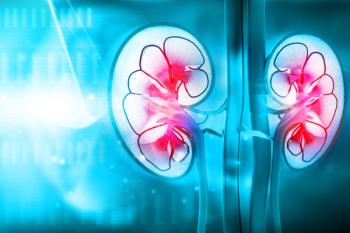
Use of the combination of Keytruda and Inlyta is associated with long-term survival benefits in patients with kidney cancer.

A woman with metastatic breast cancer describes a recent zip lining adventure she took with her dad, who is a cancer survivor.

In this episode of the “CURE® Talks Cancer” podcast, author Steve Kelley shares both the painful and positive moments of his journey with a rare cancer.
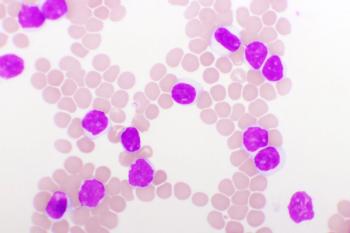
Treatment with this combination was associated with encouraging clinical responses in this patient population.

Introducing integrated palliative care to patients with a certain type of leukemia was shown to facilitate active coping strategies, which could improve a patient’s quality of life.

Maintenance treatment with Lynparza plus Avastin over Avastin alone provided a certain group of patients with ovarian cancer a substantial survival benefit.

A breast cancer survivor writes about the benefits she has experienced from adaptive exercise, such as yoga.

The data, according to the study’s lead author, confirm that Trodelvy should be considered a new standard of care in patients with metastatic triple-negative breast cancer.

Treatment with the study drug was associated with a doubling of a survival outcome in patients with advanced gastrointestinal stromal tumor, compared to placebo.

Patients with relapsed/refractory myeloma who were previously treated with three or more therapies responded to an infusion of a novel CAR-T cell therapy up to 18 months with no new side effects compared with 12-month results of this study.

Onivyde combined with a chemotherapy agent and a chemotherapy-protective drug should be used as a second-line treatment option in patients with metastatic liver cancer, according to an expert.
The study’s lead author noted that a survival outcome, along with other results, was similar among the two groups.

Patients with early triple-negative breast cancer receiving Imfinzi in addition to neoadjuvant chemotherapy saw increased survival rates and complete responses to treatment.
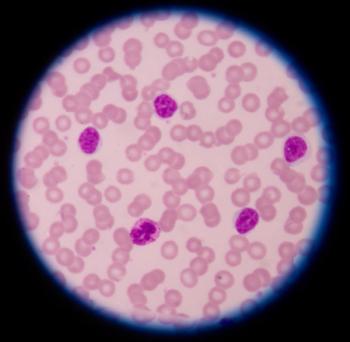
Although survival rates were similar, patients with chronic lymphocytic leukemia treated with Calquence experienced fewer side effects than those who received Imbruvica.
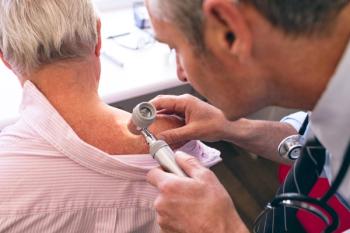
More than six years of follow-up data show that Opdivo alone, or in combination with Yervoy, continued to induce long-term survival benefits compared to Yervoy alone in patients with previously untreated advanced skin cancer.

Combination of Opdivo and Yervoy had improved efficacy and durable response after four years in patients with advanced non-small cell lung cancer.

Mobocertinib showed clinically meaningful benefits in patients with EGFR exon 20 insertion–positive metastatic non-small cell lung cancer with a manageable safety profile.

Cirmtuzumab plus Imbruvica led to an 83.3% overall response rate, with 38.9% complete response and 44.4% partial response rate, in patients with mantle cell lymphoma and chronic lymphocytic leukemia.