







Oncology nurses are there for nearly every step of a patient's cancer journey, but along the way, they can help illuminate life's beauty.
Oncology nurses are there for nearly every step of a patient's cancer journey, but along the way, they can help illuminate life's beauty.



An oncology nurse clinical leader details how one of her staff members brought out the best in those around her, patients and nurses alike.

From a child from Indiana donating funds from a pumpkin sale to a local cancer charity, to a researcher at Stony Brook University being sentenced to prison after stealing $225,000 in cancer research funds, here’s what’s happening in the cancer landscape this week.

Adding the targeted drug Tukysa (tucatinib) to Herceptin (trastuzumab) and the chemotherapy Xeloda (capecitabine) lengthens life and time until disease progression in patients, without decreasing their health-related quality of life, researchers found in a follow-up to the HER2CLIMB study.

Recent study results demonstrated that there was contamination of popular chemotherapy agents in both patient and staff bathrooms of a cancer center.
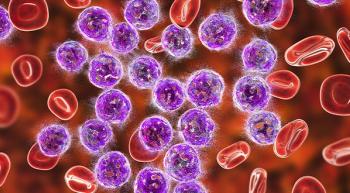
“Collectively, our mature data provide the most definitive evidence supporting current guidelines, that HDT/ASCT should not be offered to unselected patient(s) (with follicular lymphoma) in the frontline setting,” the authors wrote.

Legendary Van Halen lead guitarist, Eddie Van Halen, died on Tuesday from cancer. He was 65.

In a clinical trial, adding the CDK4/6 inhibitor Ibrance (palbociclib) to the hormonal treatment Faslodex (fulvestrant) delayed disease progression in postmenopausal women with hormone receptor-positive, HER2-negative advanced breast cancer.

Overall survival was better with hepatic arterial infusion chemotherapy compared with transarterial chemoembolization, according to phase 3 study findings.

On social media, CURE® recently asked its readers to share the most important lesson cancer taught them.

“The combination of cabozantinib (Cabometyx) and atezolizumab (Tecentriq) demonstrated encouraging clinical activity in previously untreated patients with advanced ccRCC,” Dr. Sumanta Kumar Pal, co-director of the Kidney Cancer Program at City of Hope in California, said during a presentation of the clear cell renal cell carcinoma cohort.

A patient with multiple myeloma shares his story and how his oncology nurse has provided him with care and empathy on his cancer journey.

Finding balance to detect and treat prostate cancer without overtreatment is important for patients.

PARP inhibitors are not only expanding the field of prostate cancer but they're giving men another option for life after cancer.

In this essay, a nurse colleague shows how extraordinary healer Deborah Austin Thompson is both an exceptional comforter and healer for patients with cancer.

The Food and Drug Administration’s approval of Opdivo in combination with Yervoy for patients with unresectable malignant pleural mesothelioma marks the first new systemic therapy approved in more than 15 years in this setting.

After a recommendation against routine prostate cancer screening, rates of early disease declined while the incidence of advanced disease rose. The trend highlights the difficult balance between screening and potential overtreatment.
From study results demonstrating that the HPV vaccine substantially reduces the risk of cervical cancer to the first person known to be cured of HIV dying from acute myeloid leukemia, here’s what’s happening in the cancer landscape this week.

New treatments are needed for penile cancer, but it’s difficult to test drugs in clinical trials because the disease is so uncommon.

Each month, we take a look back at the most popular CURE® stories. Here are the top five stories for September 2020.

Primed to knock out cells vulnerable due to DNA-repair problems, PARP inhibitors are ushering in a targeted-drug era in prostate cancer treatment.

For some patients with metastatic kidney cancer, undergoing surgery after targeted or immune therapy sparks better health outcomes.

Patients with advanced or metastatic bladder cancer, after responding to initial treatment with chemotherapy, may preserve their health improvements by starting immunotherapy immediately.

After treatment for bladder or prostate cancer, many survivors confront permanent sexual side effects. The good news is that treatments and psychological support are available.

VERU Inc. announced it has completed enrollment of 40 men with metastatic prostate cancer who have become resistant to at least one androgen receptor targeting agent for its phase 2 study of VERU-111.