



A three-drug approach is proving beneficial for the treatment of multiple myeloma.

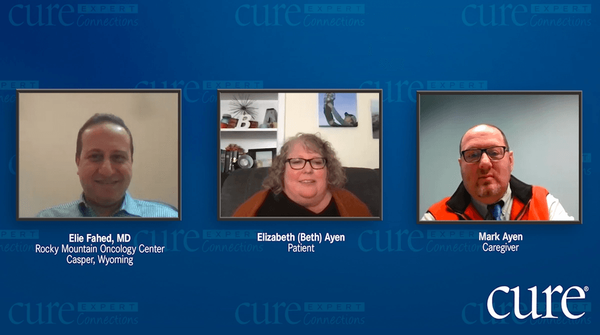
Elie Fahed, MD, provides an overview of what multiple myeloma is, and Beth walks us through her frustrating journey to initial diagnosis as an atypical patient.
Cristina Gasparetto, MD, gives a brief overview of the multiple myeloma disease state and introduces us to Donna, one of her patients diagnosed with multiple myeloma.

A three-drug approach is proving beneficial for the treatment of multiple myeloma.

For years, Eric Gelber has been embarking on long distance runs to raise money for the Multiple Myeloma Research Foundation. This September, he will attempt his longest run yet: 200 miles through Central Park over the course of a weekend

Karuppiah Kannan, associate director at Takeda Pharmaceuticals, talks about the progress made in treating myeloma and where the field is going in the future.

Maintenance Revlimid was shown to improve overall survival in patients with multiple myeloma.
Karuppiah Kannan, associate director at Takeda Pharmaceuticals, discusses what it was like as a researcher to meet with patients during the Moving Mountains for Multiple Myeloma Grand Canyon hike.

Two phase 3 trials led to Darzalex being granted a breakthrough therapy designation by the FDA.

We were honored to present an annual evening of celebration and appreciation for the heroes that have made a difference in the lives of individuals living with multiple myeloma.

Christi Shaw may have changed her life this spring, switching from being a pharmaceutical exec to a caregiver, but one thing has stayed the same: her determination to fight cancer.

A new triplet for treating multiple myeloma may be then next new standard, according to Antonio Palumbo.

While the use of Kyprolis (carfilzomib), Pomalyst (pomalidomide) and KPd (dexamethasone) to treat some myeloma patients was "promising," researchers said that they will give the combination a closer look.

When Darzalex was added to Velcade and dexamethasone, patients with relapsed multiple myeloma had a reduced risk of disease progression or death, according to a recent phase 3 trial.

Patients with heavily pretreated relapsed/refractory multiple myeloma showed increased progression-free survival and overall survival rates with isatuximab.

Patients with multiple myeloma live longer without their disease progressing if they get a stem cell transplant, compared with patients who received chemotherapy alone.

Our director of patient education, Marty Murphy, discusses his trip for the Moving Mountains for Multiple Myeloma campaign with WRAL.

While there have been many recent groundbreaking advances in treating myeloma, Kenneth C. Anderson is optimistic that the future holds even more promise.

A recent phase 3 trial is exploring the question of whether or not smoldering multiple myeloma needs treatment.

A new three-drug combination is proving successful for patients with relapsed/refractory multiple myeloma, according to a phase 3 study.