


Myeloma
Latest News

Advertisement
Multiple Myeloma Diagnosis: The Beginning of Beth’s Story
Elie Fahed, MD, provides an overview of what multiple myeloma is, and Beth walks us through her frustrating journey to initial diagnosis as an atypical patient.
Multiple Myeloma and Donna’s Symptoms: An Overview
Cristina Gasparetto, MD, gives a brief overview of the multiple myeloma disease state and introduces us to Donna, one of her patients diagnosed with multiple myeloma.
Advertisement

A 16-member team, including five patients with multiple myeloma, hiked through Iceland to raise money for disease research in hopes of finding a cure.
Injectable forms of medication may benefit patients with blood cancers.

Previously, there were concerns that older patients would not be able to handle the toxicities of the procedure, or that their stem cells, which are older, would not work as well. But that proved to not be the case.
The FDA has granted a priority review to a supplemental biologics license application (sBLA) for Empliciti (elotuzumab) for use in combination with Pomalyst (pomalidomide) and low-dose dexamethasone (EPd) for the treatment of patients with relapsed/refractory multiple myeloma following two or more prior therapies, including Revlimid (lenalidomide) and a proteasome inhibitor (PI).
See what CURE readers have to say about our previous issues.
In this week’s episode of CURE Talks Cancer, we spoke with Ethan Hawes about his experience as a 22-year-old diagnosed with multiple myeloma, and his advice for others going through a similar journey.

A patient's bone health history may offer clues into their myeloma outcomes, according to a recent study.

Understanding these outcomes is important in planning treatments and mitigating the possibility of patients stopping their treatment.
Creating a medical family tree is helpful. If cancer is common, noting which branches include it can help inform decisions.

Here is what one expert says about the right time to start treating relapsed multiple myeloma.
This hike marks the fifth continent to be visited by a Moving Mountains for Multiple Myeloma team

Five leading cancer organizations came together to establish four steps that patients of all malignancies can turn to as they navigate their experience.
We spoke with two members of the Moving Mountains for Multiple Myeloma team.
MMRF Honored for Fifteenth Year for Outstanding Stewardship of Donors’ Funds

Dewayne Johnson is the first of hundreds of patients to take Monsanto to trial, claiming that Roundup caused them to get cancer. His case will be seen even sooner than others because in California dying plaintiffs can be given expedited trials.
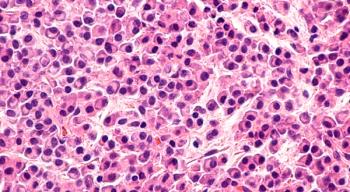
The Food and Drug Administration (FDA) approved the supplemental New Drug Application to add to the U.S. Prescribing Information for Kyprolis (carfilzomib) for the treatment of patients with relapsed or refractory multiple myeloma.

Cancer affects many aspects of a person’s life, such as the overall quality of their day-to-day living, but what if a person didn’t have the full-blown disease already? Could a precursor or asymptomatic stage of the disease still burden them?
A two-drug regimen improved outcomes for patients with myeloma when given before a stem cell transplant.
Researchers are considering whether some smoldering myelomas warrant treatment and which regimens are best.
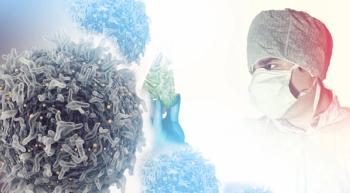
When diagnosing patients with multiple myeloma, it is important to identify the specific stage, mutations and risk level of the disease to determine the most effective treatment method, according to Jeffrey Wolf, M.D.

A lack of vitamin D can have major impacts on myeloma treatment outomes.
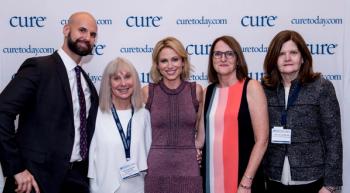
Four oncology nurses were recognized during the inaugural event for their efforts to prioritize the health of patients’ bone health during treatment.
It takes a lot to call something a revolution in medicine ... The most important, of course, is its impact on people’s lives — particularly, a cure for illness or a major extension of life. A revolution also implies a sweeping cataclysmic change, one that is disruptive and boldly states that things will no longer be the same.
Advertisement
Advertisement