

Blogs
Advertisement
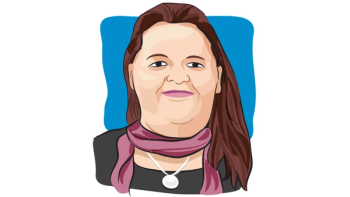
I believe time to be a gift, and as such, my sister was gifted more than a decade despite a terminal illness, and I do have gratitude for that.
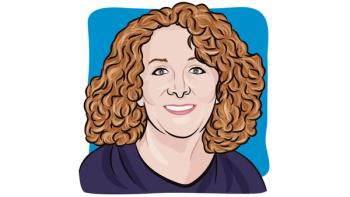
Facing my cancer diagnosis, I learned it’s okay not to be okay and found comfort in laughter, honesty, and the support of loved ones.
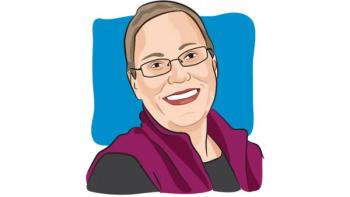
I’ve lived with stage 4 breast cancer for 11 years, and each day brings gratitude for my family, my oncologist, and the care that keeps me going.
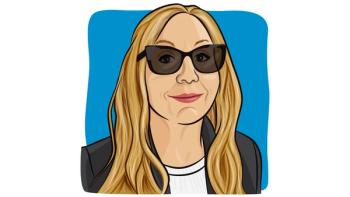
I experienced acute myeloid leukemia twice. Had it not been for follow up appointments I would not be here.
I share how my sister’s final days felt different from her many rebounds and how I continue to process the grief of losing her after years of anticipation.
I found purpose again after my myeloma diagnosis when I returned to teaching and shared my work, moments that reminded me I could still grow and reconnect.

A stamp on my Christmas cards stirred deep memories and reminded me that small actions can make a meaningful impact in the fight against breast cancer.
Feeling like others have it worse can dismiss the real challenges of follicular lymphoma and leave patients without the support they need.
I love flowers, and I especially love the Japanese tradition of ikebana. In Japanese culture, ikebana is the art of flower arrangement.
Advertisement
As we’re about to celebrate Thanksgiving 2025, I’d like to honor someone for whom I’m grateful – my son, Thomas.
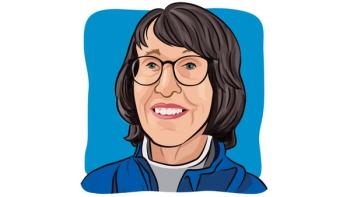
Bernadette’s strength and optimism lifted me through my own cancer journey and reminded me how much one person’s compassion can change how I move through each day.

Surviving breast cancer changes the way you see your body. Every ache, every spot, every unfamiliar sensation becomes a quiet question: “Could it be coming back?”

I share how the holidays feel different after loss and how grief, love and gratitude can coexist as I navigate this season with gentleness and care.
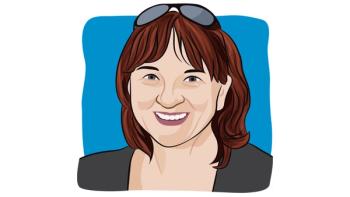
I share how the nurses who cared for my daughter during chemotherapy brought comfort, connection and humanity that carried us through our hardest moments.

After surviving testicular cancer, I feel like I was given a second chance at life. Although given challenges, I have learned to be resilient and face adversity head-on.
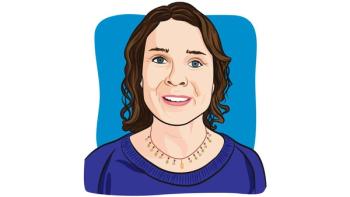
I reflect on my brain tumor journey, sharing how gratitude, love and connection with my parents and others strengthened me through difficult times.
I never dreamed a stranger could teach me so much about cancer, life and living with gratitude but I'm so glad she did!
Many fail to recognize that estrogen is necessary to help your body and its parts work in concert with each other seamlessly.
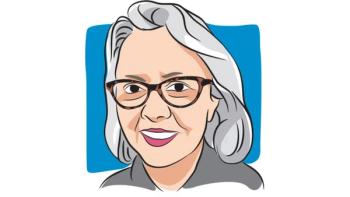
I am thankful that a nurse navigator gave me continuity of compassionate care that helped me to heal from the inside out.

A man nearing 76 reflects on aging, family, loss and living with cancer while finding gratitude in the holiday season.
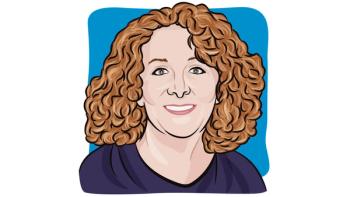
I want to appreciate and acknowledge the one person who has had a profoundly positive impact on me throughout my 16-year journey with chronic small lymphocytic lymphoma.
As a breast cancer survivor, I try to stay up to date on new ways to detect cancer early. When I first heard about a simple blood test called Cancerguard, I sat up a little straighter.
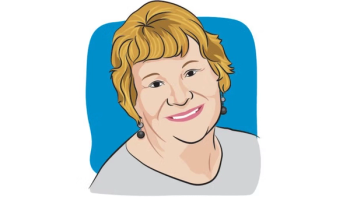
A survivor shares how hearing loss and cancer deepened her grief, leading her to confront denial and embrace support from her church community.
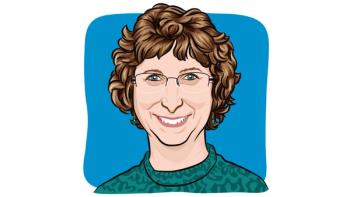
A breast cancer survivor and mother discusses the importance of prioritizing her own needs.
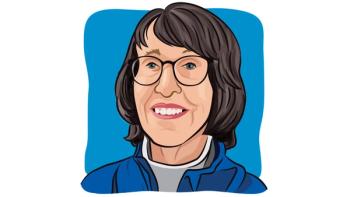
During my cancer journey, anticipatory anxiety made me ask “what if” questions, but reframing them with hope helped me stay positive and improve my chances of surviving.
While cancer patients can experience ghosting, and cancer ghosting is real, it is possible to revisit relationships to avoid putting blaming the person who appears to be slipping away.
I’ve learned that social media can unite people at hereditary cancer risk but often leaves diverse voices out, so real change means every story is seen and valued.

How a beloved childhood toy, a visionary inventor and one grandmother’s journey reveal the quiet strength of survival and the beauty found in every scar.
Jeannine Walston, who has contributed to CURE since 2015, was diagnosed with a brain tumor in March 1998.
Advertisement
Advertisement
Trending on CURE
1
FDA Approves Talzenna Plus Xtandi in Hormone-Sensitive Prostate Cancer
2
Working During Cancer Treatment: Your FMLA and ADA Rights
3
What Liquid Biopsy and ESR1 Mutations Mean in Breast Cancer
4
What New KRAS Drug Data From ESMO 2026 Mean for Patients
5