
A breast cancer survivor recalls how her phoenix tattoo, chosen years before diagnosis, became a lasting symbol of resilience, survival, and hope.
A breast cancer survivor recalls how her phoenix tattoo, chosen years before diagnosis, became a lasting symbol of resilience, survival, and hope.
A breast cancer survivor explains why she avoids saying 'cancer-free,' choosing N.E.D. and superstition instead to protect her hard-won health."
"Losing friends to metastatic breast cancer brings cumulative grief. Self-care, community, and honoring memories can help you cope with repeated loss." -Martha Carlson

A kidney cancer survivor reflects on National Doctors Day and how trust with his oncologist, Dr. Toni Choueiri, became a lifelong bond.
A breast cancer survivor honors her brother’s legacy 50 years after his death by updating her donor registry status to support vital cancer research.
A breast cancer survivor shares the discovery of a new kidney mass and details how she will be a smarter, more assertive patient if it is cancer.

A Lynch syndrome survivor shares essential prep tips, the importance of stomach cancer screening and how a mindset shift beats yearly scanxiety.
I thought I understood breast cancer, until a routine conversation at the pharmacy changed everything.
A blood cancer survivor debunks the movie myth of a quick cure, exposing the harsh, lasting side effects that remain after ringing the bell.
Thriving does not begin when treatment ends. It starts the moment we find our voice in the messy, uncertain middle of the journey
How a Facebook reunion between two former reporters grew into a vital bond of shared support, hope and courage during their experiences with cancer.
A cancer survivor shares the raw reality of scanxiety, coping with potential recurrence and finding hope during hard medical journeys.
Discover how a multiple myeloma survivor manages treatment and daily anxiety through Qigong, rituals and self-care.
A CURE blogger shares the profound relief of learning her son tested negative for Lynch syndrome, ending a heavy generational cancer burden.
A follicular lymphoma survivor shares how they overcame the dread of a cancer diagnosis to check off bucket list goals and celebrate milestones.
A lung and breast cancer survivor shares how genetic history, supporting her daughter and leading a support group helped her keep smiling.

A testicular cancer survivor reflects on the importance of Mental Health Awareness Month, finding healing in nature, gratitude and creative renewal.
My experience with cancer has affected the way I think about the health of my pets. Whereas the old me was more fatalistic, the survivor in me would go an extra mile to save a beloved creature.
No one can face fear, pain, uncertainty, and isolation of any type of cancer alone.
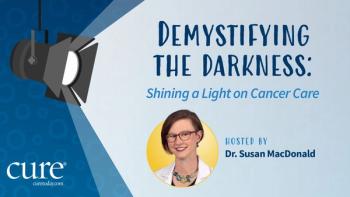
Dr. Susan MacDonald breaks down the TNM staging system (Tumor, Nodes, Metastasis) to help patients understand their clinical diagnosis.
Explore the healing power of nature for cancer recovery. Learn how 20 minutes outdoors can boost immunity, reduce stress, and improve mental health.
Explore the "Previvorship in the Platform Society" report on how social media impacts hereditary cancer communities and the need for better representation.
A caregiver explores the grief, guilt and medical mysteries following a sister’s Hodgkin lymphoma diagnosis and the search for peace in the unknown.
Summer, with its promise of warmth and freedom, can present unexpected challenges for breast cancer survivors navigating life after a mastectomy.
Urologist Dr. Susan MacDonald breaks down the differences between soft tissue and blood cancers while highlighting common and rare disease types.
Managing follicular lymphoma means balancing remission with the constant fear of relapse. Explore the reality of living with a chronic, incurable cancer.
Columnist Linda Cohen explores the emotional toll of aging with lymphoma, the pressure of cosmetic trends, and finding beauty in enduring love.

A colon cancer survivor shares how practicing daily gratitude and journaling helped her find peace, healing and the strength to build a vibrant life.
After a sudden collapse, a resilient cancer survivor faces a new health crisis. Through faith, PT and grit, she overcomes despair to walk again.
A tribute to Erin Cummings, a pillar of the Hodgkin lymphome survivor community who mentored others with the wisdom and grace of a real-life Mr. Miyagi.