



Liver Cancer
Latest News

Advertisement
Latest Videos



Shorts

1:00
Why Speaking Up Can Aid in the Cancer Journey
8 months ago
by
Ryan Scott
Advertisement
More News
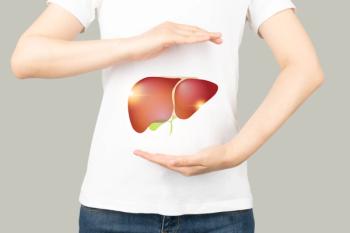
Opdivo plus Yervoy shows efficacy and manageable safety as first-line treatment for unresectable hepatocellular carcinoma in the CheckMate 9DW study.

Stereotactic body radiation therapy combined with Nexavar showed a clinically important improvement in overall survival in locally advanced hepatocellular carcinoma.

Opdivo Qvantig received FDA approval for all previously approved indications in solid tumors.
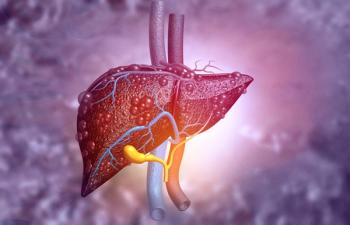
Immune checkpoint inhibitor tumor regression may indicate which patients with hepatocellular carcinoma experience improved relapse-free survival.
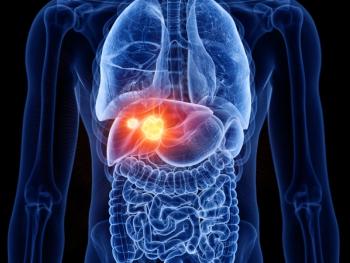
For unresectable or metastatic liver cancer, the TPST-1120-301 trial of amezalpat combination therapy has received a “Study May Proceed” letter from the FDA.

From “Boy Meets World” actress Danielle Fishel discussing her breast cancer surgery to a young TikTok star dying from a rare liver cancer, here’s what’s happening in the cancer space this week.
Throughout September, the FDA approved drugs for the treatment of diseases including lung cancer, multiple myeloma, thyroid cancer and breast cancer.
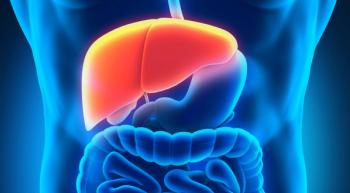
In patients with unresectable liver cancer, treatment with Imjudo plus Imfinzi showed better survival outcomes compared with Nexavar.
Steatotic liver disease was associated with better liver function, lower recurrence rates, and improved overall survival in patients with liver cancer who received radiofrequency ablation.
Patients with intermediate-stage liver cancer may benefit from receiving a Lenvima-Keytruda combination with transarterial chemoembolization.

Tecentriq Hybreza, a subcutaneous delivery of the drug, was approved for certain types of sarcoma, in addition to lung, skin and liver cancers.

Through colon cancer and liver cancer, faith is what brought me to peace and clarity during treatment and now survivorship.

Patients can discuss minimally invasive robotic liver cancer surgery with their care teams. The process tends to be safe and effective, an expert said.

Even though I will never be cancer-free from cholangiocarcinoma, I’m ready to face the next chapter in my life and make the most of it.

Compared to open hemihepatectomy, the laparoscopic approach resulted in faster recovery time and higher quality of life, researchers found.
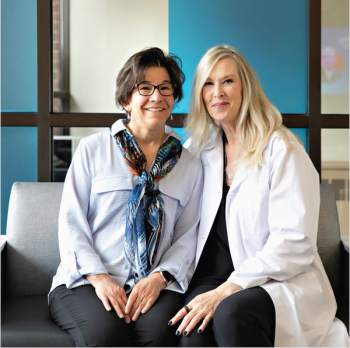
Jill May, B.S.N., RN, OCN, shows her commitment to her patients and their caregivers through acts of kindness and compassion — especially during tough times.

Adding Imfinzi and Avastin to transarterial chemoembolization led to a 23% reduction in the risk of progression or death in patients with liver cancer.

Patients with unresectable hepatocellular carcinoma and poor liver function were more likely to experience serious side effects leading to regorafenib treatment discontinuation, researchers have found.
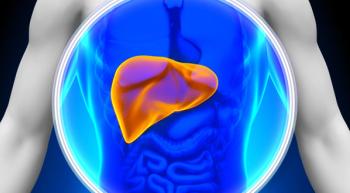
Keytrida plus Lenvima improved survival and duration of response in patients with advanced hepatocellular carcinoma.
Antiviral treatments play a crucial role in the survival of patients with either hepatitis B or C and liver cancer, but researchers have found that antiviral therapy is “severely underutilized” even among patients who undergo curative surgery.
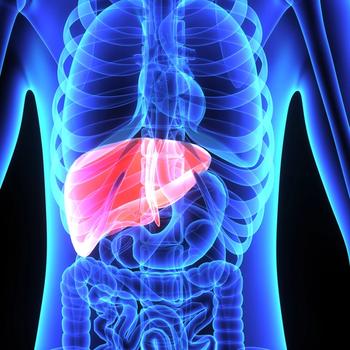
In honor of Liver Cancer Awareness Month, CURE® highlighted some of the most impactful liver cancer developments from 2023.
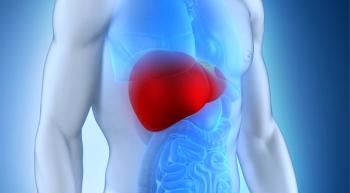
Tislelizumab demonstrated similar overall survival and safety in unresectable hepatocellular carcinoma compared with Nexavar, research found.
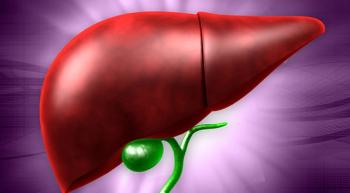
Adding TPST-1120 to the standard of care for the treatment of unresectable or metastatic hepatocellular carcinoma, a type of liver cancer, improved progression-free survival and overall survival in a phase 1b/2 clinical study.

Using antidepressants after receiving a diagnosis of liver cancer may lower overall and cancer-specific mortality rates, according to recent research.
Rivoceranib plus Airuika demonstrates improvement for survival in patients with unresectable hepatocellular carcinoma, a subset of liver cancer.
Advertisement
Advertisement
Trending on CURE
1
My Sister and I Share a BRCA2 Mutation. We Didn’t Make the Same Choices
2
Could a Genomic Test Spare You Extra Years of Hormone Therapy?
3
10 Things That Got Me Through Treatment feat. Sally Kalksma
4
Text a Survivor: Brad Moore on Life During and After Rectal Cancer Treatment
5