



Lung Cancer
Latest News
Advertisement
Latest Videos



Advertisement
More News

Through three family cancer diagnoses, and my own life-threatening stage 3b lung cancer verdict, family support and reconnection helped support me.

The FDA granted breakthrough therapy designation to Ifinatamab deruxtecan for some with extensive-stage small cell lung cancer.

Dr. Jacob Sands explained that he believes patients should be having more personalized, nuanced conversations with their oncologists.
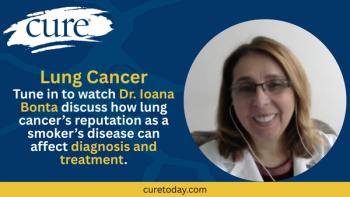
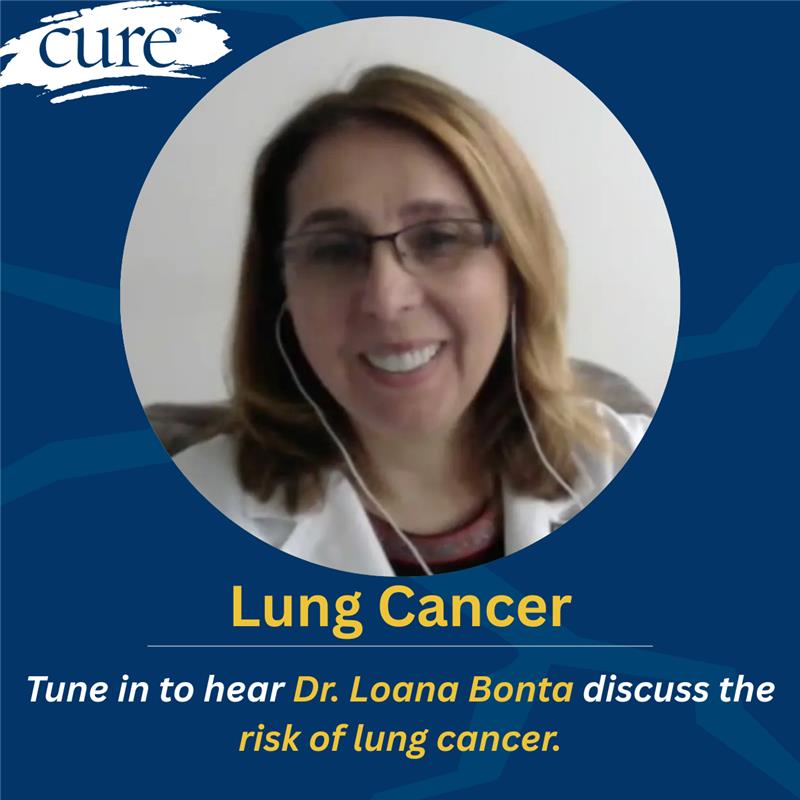
In an interview with CURE, medical oncologist Dr. Ioana Bonta explains why lung cancer is not just a ‘smoker’s disease.’

The FDA has approved the Oncomine Dx Target Test to identify patients with HER2-mutant non-small cell lung cancer who are eligible for Hernexeos treatment.
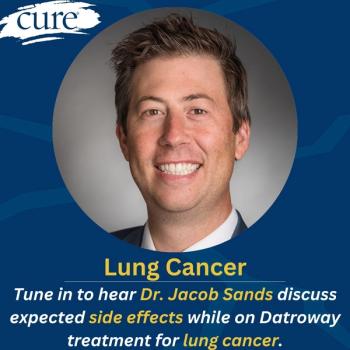
Beginning treatment for your lung cancer often brings questions surrounding what side effects will be experienced, according to Dr. Jacob Sands.
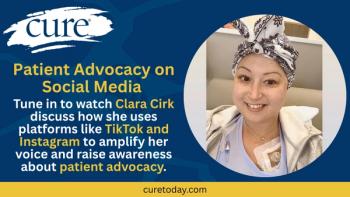
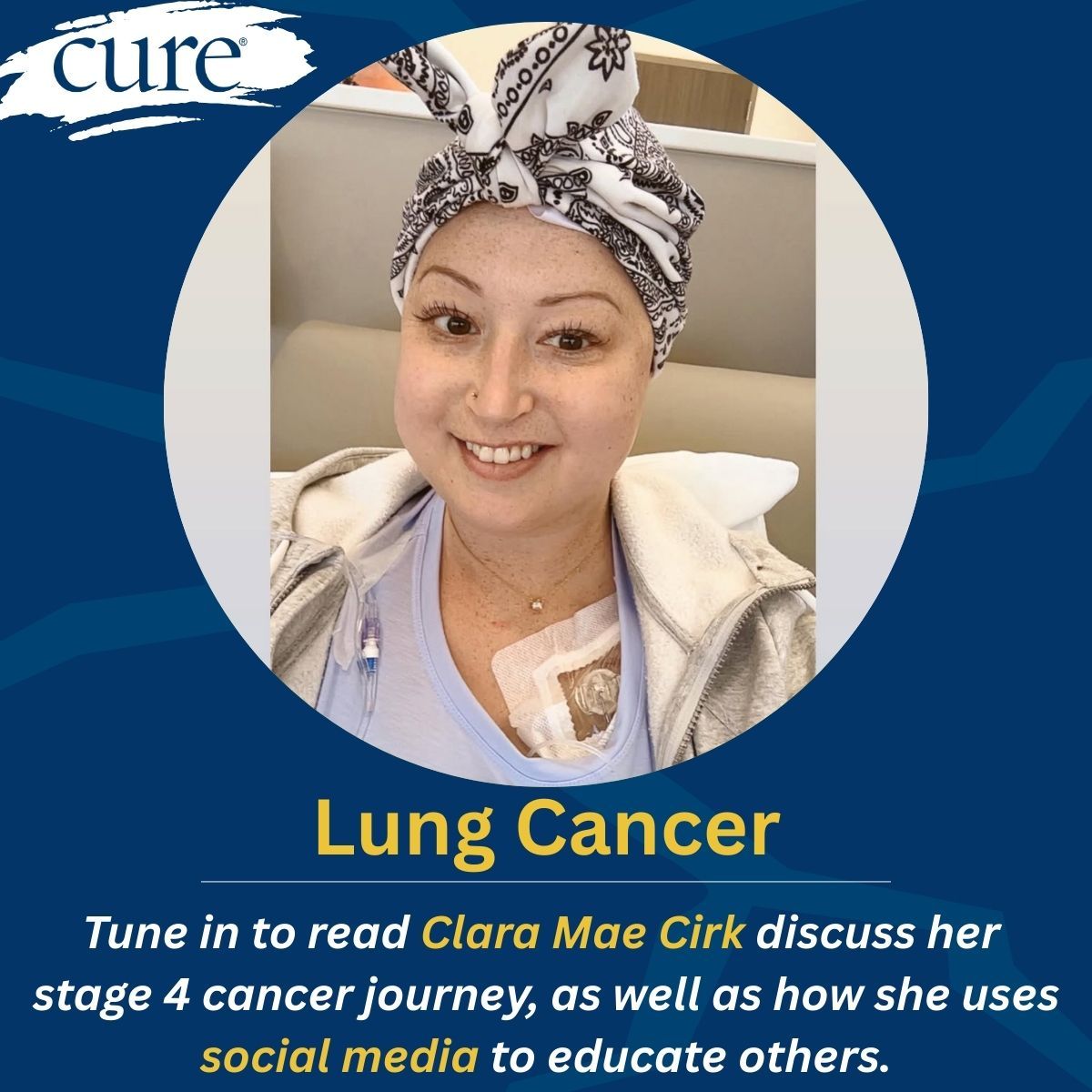
Clara Cirks is a stage 4 lung cancer patient who uses platforms like TikTok and Instagram to amplify her voice and raise awareness about patient advocacy

The FDA approved Hernexeos for adults with unresectable or metastatic non-squamous non-small cell lung cancer.
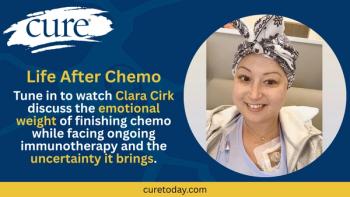
In an interview with CURE, Clara Cirks shares the emotional weight of finishing chemo while facing ongoing immunotherapy and the uncertainty it brings.
Following the June 2025 FDA approval of Datroway, Dr. Jacob A. Sands explained the significance of the regulatory approval for patients with lung cancer.
Dr. Jacob A. Sands shares how antibody-drug conjugates, such as Datroway, work to selectively target and destroy tumor cells among those with lung cancer.

After joining a creative survivors’ group, I discovered that emotional expression, art and connection offered a profound kind of healing beyond treatment.
In July of 2025, the U.S. Food and Drug Administration approved various anti-cancer treatments and therapeutic approaches across a range of disease types.

LiveLung Wilmington Welcomes PA-C Morgan Carson for August Educational Lung Cancer Survivor Meeting
ByLiveLung
LiveLung invites the Wilmington community to its monthly educational meeting.
National Recognized Radiation Oncologist Presenting at Virtual Lung Cancer Patient Educational Meeting
ByLiveLung
The August LiveLung Virtual meeting will feature Nitin Ohri, MD, MS, Board Certified Radiation Oncologist and Professor of Radiation Oncology at Montefiore Einstein.
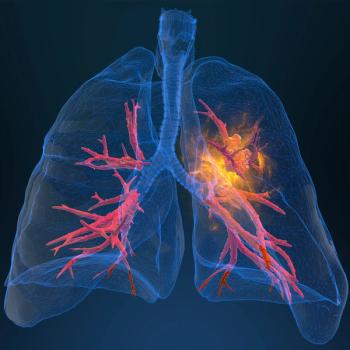
‘Navigating Lung Cancer Survivorship’ Cone Health Oncology Nurse Practitioner Presenting to Educational Lung Cancer Triad Group
ByLiveLung
LiveLung invites the Triad lung cancer community to its monthly educational meeting.
Robotic and video-assisted thoracic surgery reduces recovery time for those with lung cancer, allowing some to leave the hospital the day after surgery.
CURE spoke with a thoracic surgeon about the impact of minimally invasive surgery for patients.
Dr. Jacob Sands discusses the significance of the FDA approval of Datroway for the treatment of patients with locally advanced or metastatic EGFR+ NSCLC.
As July concludes, momentum in lung cancer research continues to build, marked by FDA decisions, trial progress, and patient-centered perspectives.
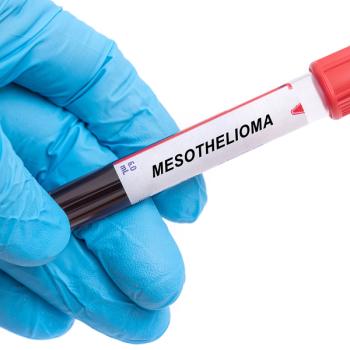
The FDA awarded orphan drug designation to VT3989 for mesothelioma, supporting the experimental cancer treatment’s development.
Dr. Jacob Sands discusses progress in lung cancer treatment, as well as what patients should understand about how their care options may evolve over time.
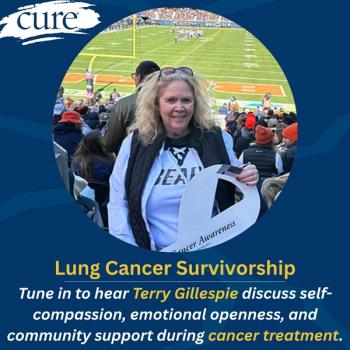
Self-compassion, emotional openness, and community support is incredibly important for patients currently beginning their cancer journey.
New clinical trials are advancing treatments for cutaneous T-cell lymphoma, advanced solid tumors, pediatric sarcomas and ALK-positive lung cancer.
Advertisement
Advertisement
Trending on CURE
1
Why Cancer Screening Remains Important for Long-Term Cancer Survivors
2
FDA Grants Traditional Approval to Keytruda for TMB-H Solid Tumors
3
Breast Cancer at 30: Aisha Shares the Challenges of Motherhood, Body Image and Life After Treatment
4
FDA Clears AI Tool Using MRI to Gauge Breast Cancer Recurrence
5