Prostate Cancer
Latest News
Advertisement
Educated Patient Resource Guide
Metastatic Castration-Resistant Prostate Cancer (mCRPC)

Advertisement




The FDA has granted a priority review designation to a new drug application (NDA) for darolutamide for use as a treatment for patients with nonmetastatic castration-resistant prostate cancer.

Being a caregiver and survivor takes adjusting to the diagnosis of the "C" word. Until there is a cure for cancer, may we all do our best to put one breath and foot in front of another.

A person’s pre-existing mental state may negatively influence their health, but professional support can help maintain the best mindset, say researchers.

From FDA news to today’s top performers and entertainers, here’s what’s making headlines in the cancer space this week.
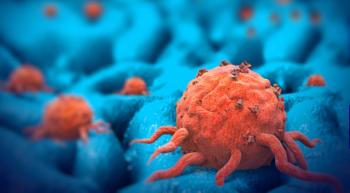
In topline findings from the phase 3 TITAN trial (NCT02489318) announced today by Janssen, Erleada (apalutamide) in combination with androgen deprivation therapy (ADT) significantly improved radiographic progression-free survival (rPFS) and overall survival (OS) versus placebo in patients with metastatic castration-sensitive prostate cancer.
A prostate cancer survivor offers his thoughts on what you should (and shouldn't) say to someone who was recently diagnosed.
Men with advanced prostate cancer may benefit from genomic testing as BRCA and other gene mutations play a bigger role in guiding treatment.
One patient opted to focus on his interests instead of focusing on cancer.
Whether you call it No Shave November, Movember or Novembeard, it's important to remember it's all about men's health.
Most men with the disease should keep their prostates, says the author of a book about prostate cancer staging and treatment.
A clinical trial will test a radiation regimen designed to preserve sexual function in men being treated for prostate cancer.
It's more than the beard. It's about men's health.

A high dose of precision radiation could drastically increase the survival rates of patients with metastatic cancer, and double the time patients live without cancer growth, according to study results presented at the 60th Annual Meeting of the American Society for Radiation Oncology.

Although there is never the perfect time to have a risk-related discussion with a child, one clinical psychologist explains ways in which parents can approach the difficult topic.
Advertisement
Advertisement
Trending on CURE
1
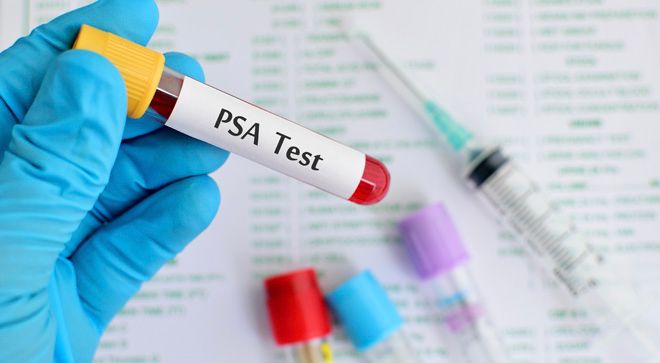
Why PSA Monitoring Matters After a Prostate Cancer Diagnosis
2
Rectal Cancer Tumor DNA Fell From 45.8% to 8.7% After Chemotherapy
3
ESMO 2026 Preview: 5 Late-Breaking Trials Patients Should Watch
4
FDA Withdraws Zepzelca Approval for Previously Treated Small Cell Lung Cancer
5