







Early detection and grade-based care help manage immunotherapy toxicities, with tailored approaches for skin, gastrointestinal and cardiac side effects.
Early detection and grade-based care help manage immunotherapy toxicities, with tailored approaches for skin, gastrointestinal and cardiac side effects.

New NCCN guidelines highlight personalized combo treatments and new options to help patients with advanced kidney cancer live longer, better lives.
A couple shares how caregiving, communication and perspective shaped their life after liver cancer.

AI is being used across cancer care for prevention, diagnosis, treatment, survivorship and end-of-life support, improving efficiency while posing deskilling and cognitive risks.

Amanda shares advice on resilience, self-advocacy and finding strength while navigating cancer survivorship and chronic GVHD.

FDA fast tracked ZW191 for platinum-resistant ovarian cancer, aiming to speed development of a potential new option for patients with limited treatments.
Black patients with early-stage lung cancer were less likely to receive curative treatment than White patients, despite all having Medicare coverage, study finds.

Learn about Ductal Carcinoma in Situ (DCIS), its diagnosis, treatment options and side effects. Empower yourself with information to navigate this journey with confidence.

Coverage from NCCN 2026 highlights global care delivery, younger patient needs, survivorship strategies and safer immunotherapy management.
Dr. Brittany Dulmage discusses how management of immune-related side effects can help patients stay on immunotherapy without compromising its effectiveness.
Global efforts in prevention, early detection and collaboration are improving cancer care access, but disparities persist based on where patients live.

Drs. Nunnery and McCann discuss the evolving HER2-positive breast cancer treatment paradigm in the latest episode of “Breast Cancer Briefing.”

FDA approves a PD-L1 test to help identify patients with esophageal or gastroesophageal junction (GEJ) cancer who may benefit from Keytruda.
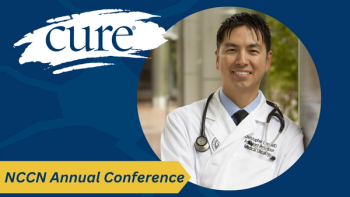
Dr. Christopher H. Lieu highlights the rising cancer rate in younger adults and the need for more personalized, comprehensive care strategies.

New NCCN guidelines highlight how structured exercise and molecular profiling significantly reduce recurrence rates.

Experts highlight rising cancer rates in younger adults and the need for tailored support, treatment and survivorship care across the continuum.
Press Release
COA updates on PBM reform, patient advocacy, and community oncology events to keep patients and advocates informed and empowered.

Hernexeos led to high response rates and disease control in HER2-mutant NSCLC, including patients with brain metastases, with manageable safety.

I struggle sometimes, wondering, “Why me?” and “Why testicular cancer?” Was God telling me something? Maybe to slow down and let him take control. So, I try my best to let go.
Amanda discusses the hidden challenges of chronic GVHD and how advocacy and storytelling help her support others facing similar struggles.

Tagrisso combined with chemotherapy improved how long patients with EGFR- and TP53-mutant NSCLC lived without their cancer worsening compared with Tagrisso alone.

A study found microplastics in prostate tumors, with higher levels in cancer tissue, prompting further research into potential links and health effects.

So many friends I have met along the way wanted so badly to live and they weren't able to. They didn't lose and I didn't win. We all walked through something really hard and got different outcomes.

In the phase 3 ATHENA-MONO trial, 5-year data show Rubraca helped delay cancer worsening in advanced ovarian cancer vs placebo.

A living liver donor shares recovery challenges, emotional rewards and advice for those considering donation to help save a life.

KRAS G12d-targeted protein degrader setidegrasib demonstrated antitumor activity and a manageable safety profile in patients with KRAS G12d-mutant non–small cell lung cancer.
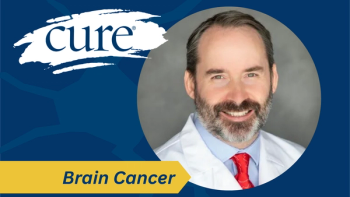
Functional precision medicine may help guide faster, more personalized treatment decisions in pediatric brain tumors by testing therapies directly on a patient’s tumor cells.
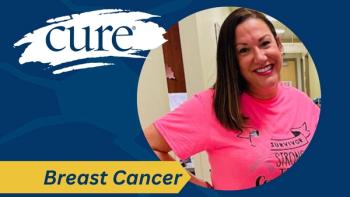
Nurse practitioner Bridget Hopkins discusses her metastatic breast cancer diagnosis, the role of clinical empathy and finding hope in stage 4 care.

In the last month, I had a revelation about my illness.
FDA approved Lifyorli plus Abraxane, improving survival in platinum-resistant ovarian, fallopian tube and peritoneal cancers.