







Manage your stage 3 ET diagnosis with this guide on high-risk treatments, side effects and new NCCN-preferred options to empower your next visit.
Manage your stage 3 ET diagnosis with this guide on high-risk treatments, side effects and new NCCN-preferred options to empower your next visit.

Here are five key takeaways regarding the use of GLP-1 receptor agonists in patients who are undergoing breast cancer treatment.

At the Miami Breast Cancer Conference, Dr. Heather A. Parsons shared growing evidence for the prognostic value of circulating tumor DNA.

A comprehensive guide to medullary thyroid cancer (MTC), covering symptoms, RET genetic testing, surgical options and advanced targeted therapies.

New data show that Enhertu had similar safety in the real world as in clinical trials in patients with HER2-low metastatic breast cancer.

A community study finds Enhertu effective for HER2-low mBC, with over half of patients seeing tumor shrinkage and high one-year survival rates.

New data show more women over 70 are safely skipping sentinel lymph node biopsies for HR+ breast cancer, reducing unnecessary surgery and risks.

After abnormal mammogram, family history and testing revealed a BRCA1 mutation, leading one woman to choose preventive surgeries and share her experience.

Resilience programs using mindfulness and cognitive behavioral strategies help cancer survivors manage their fear and stress, as well as adjust after treatment.
Dr. Eric Singer reveals the latest advances in kidney cancer care that help patients live longer and maintain quality of life.
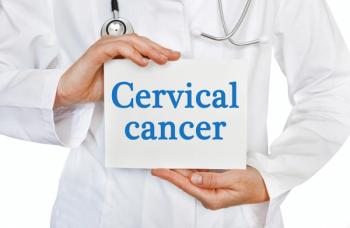
Common myths about cervical cancer and HPV may discourage screening. Experts say vaccination helps but does not replace regular testing.

FDA approved Tecvayli plus Darzalex Faspro for relapsed or refractory multiple myeloma after prior therapy, based on trial results showing longer disease control.
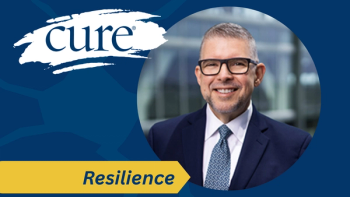
Experts say resilience helps patients with cancer adjust emotionally and physically after treatment, easing fear of recurrence and supporting long-term recovery.

A stage 4 prostate cancer survivor shares his story of positivity and gratitude.

Phase 2 COMPASSION-03 data showed cadonilimab produced durable survival in patients with recurrent or metastatic cervical cancer after platinum chemotherapy.

Karen Knudsen, CEO of the Parker Institute for Cancer Immunotherapy, discussed how the standard of care for melanoma is evolving.
FDA approvals, survival gains and equity research led February’s top gynecologic cancer stories, alongside a survivor Q&A on mental health.

Namodenoson was well tolerated in a phase 2a study of advanced pancreatic cancer, with one-third of patients alive at data cutoff.

Transitioning into survivorship and relocating to a new city prompts reflection on identity, fear and freedom, showing survivorship as choosing to live forward.
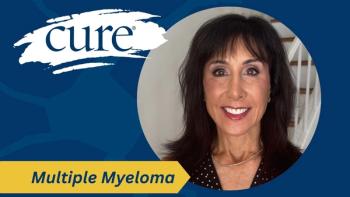
Survivor Julie Cohen discusses her experience with cevostamab, managing CRS side effects, and reaching MRD-negative status through a clinical trial.

An analysis found docetaxel plus ADT to be the most cost-effective therapy for HRR+ metastatic hormone-sensitive prostate cancer.
Learn how survivor Julie Cohen navigated high-risk multiple myeloma, failed treatments and the vital role of nurse navigators in chronic cancer care.

March weather becomes a metaphor for survivorship as a mother describes anxiety, relief and uncertainty patients with cancer feel between scans.

February 2026 coverage highlighted combination EGFR therapy guidance, chemo-free treatment options, biomarker testing and survivorship lung health.

The FDA granted priority review to rusfertide, a potential therapy for polycythemia vera; a decision regarding approval is expected late 2026.
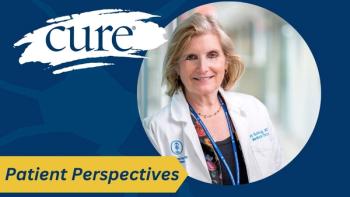
CURE spoke with incoming ASCO president Dr. Deb Schrag on elevating the patient voice, humanism in care and why partnership shapes better cancer outcomes.

RAMPART shows early quality-of-life declines with adjuvant Imfinzi and Imjudo, improving over time, though later cognitive and pain effects emerge.

Living long-term with cancer means learning to live in chapters. There are calm chapters and uncertain ones. Seasons of stability and seasons of intervention.
Four new and ongoing lung cancer trials are enrolling patients, offering options in first-line and previously treated NSCLC settings.

Phase 2 INDIBLADE data support Yervoy and Opdivo before bladder-sparing chemoradiotherapy.