









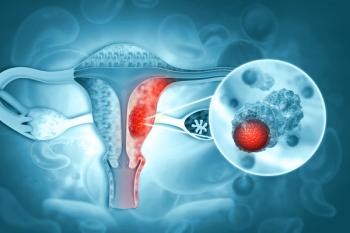
The FDA placed a partial hold on a phase 2 lorigerlimab trial in gynecologic cancers after a patient died from grade 4 neutropenia and septic shock.
The FDA placed a partial hold on a phase 2 lorigerlimab trial in gynecologic cancers after a patient died from grade 4 neutropenia and septic shock.

Oncologists highlight key 2026 ASCO GU studies in bladder, prostate, kidney and testicular cancers that could reshape treatment and personalize care.
In a trial of 171 women, app-based self-acupressure improved fatigue vs usual care, offering a low-cost option for ovarian cancer survivors.

FDA removal of an exclusion allows Yescarta use in primary CNS lymphoma, showing safety and strong efficacy in relapsed disease.

My daughter is happy to tell her story so that others can learn that there is hope in the face of despair.

The U.S. FDA has granted traditional approval to Braftovi with Erbitux and chemo for adults with BRAF V600E metastatic colorectal cancer.

Five-year follow-up of cryoablation for small kidney tumors shows high recurrence-free rates and a minimally invasive option for select patients.

FDA granted fast track designation to AKY-1189 for adults with metastatic urothelial cancer after systemic therapy, aiming to speed development of the investigational drug.

The FDA granted fast track status to ART6043 plus Lynparza for patients with gBRCA-mutated HER2-negative breast cancer to accelerate drug development.
In an interview with CURE, Dr. Lakshmi Nayak explains how an FDA label update expands Yescarta access for relapsed or refractory primary CNS lymphoma.
Cancer-related fatigue may persist despite improved sleep or treated depression, underscoring it as a distinct and complex symptom.

Dr. William Audeh discusses how genomic subtyping can close the 38% mortality gap for Black women by identifying aggressive basal-type cancers.


Rodney Haring discusses Indigenous navigation, partnerships and prevention strategies to reduce cancer disparities and improve equity in Native communities

The FDA cleared an IND for FG001, allowing a U.S. trial in high-grade glioma, with first patient enrollment expected in second quarter of 2026.

Genentech announces FDA acceptance of giredestrant plus Afinitor for ER-positive, HER2-negative, ESR1-mutated advanced breast cancer treatment.

Thsi overview explains mesothelioma staging, diagnosis, side effects and treatment options from frontline through later lines to guide patient discussions.
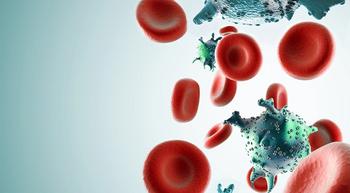
Learn about Kaposi sarcoma causes, symptoms and the latest treatment options to help you navigate your diagnosis and talk with your oncologist.
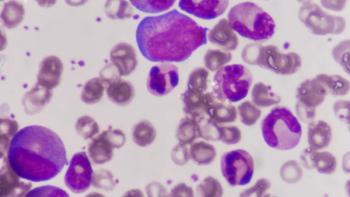
Learn about stage 2 chronic myeloid leukemia, treatment options, side effects, and key questions to guide conversations with your oncologist.
Dr. Rodney Haring discusses strategies to reduce cancer mortality among Native Americans through patient navigation, clinical trials and tribal sovereignty.
Dr. Alex Francoeur of UC Irvine urges patients with ovarian cancer to ask questions, seek second opinions and build trusted relationships with oncologists.
A study led by Dr. J. William Harbour of UT Southwestern Medical Center marks a shift in how doctors predict the spread of uveal melanoma.

Gratitude didn’t erase my fear, but it gave me something solid to stand on. It became the coping strategy I needed.
Heather Quintana Suchan shares how work and music community support her while she lives fully with stage 4 lung cancer.

Dr. Sara Tolaney discusses how Trodelvy plus Keytruda improves progression-free survival in patients with PD-L1+ metastatic triple-negative breast cancer.

FDA approves Calquence with Venclexta as a first-line option that improved progression-free survival compared with standard chemo in adults with CLL or SLL.

A national report finds cancer workforce shortages and administrative burdens may delay care, with solutions focused on training and efficiency.

Researchers identified nine genetic markers that help HER2-positive breast cancer resist treatment, paving the way for more personalized patient care.

App-based self-acupressure improved fatigue and quality of life for women with ovarian cancer in a phase 3 trial, with benefits lasting to 24 weeks.

This device detects and characterizes lesions on low-dose CT scans, helping patients with cancer get faster, tailored care and avoid unnecessary procedures.