







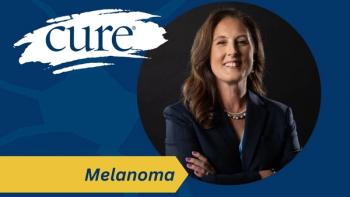
Karen Knudsen, CEO of the Parker Institute for Cancer Immunotherapy, discussed how the standard of care for melanoma is evolving.
Karen Knudsen, CEO of the Parker Institute for Cancer Immunotherapy, discussed how the standard of care for melanoma is evolving.

FDA approvals, survival gains and equity research led February’s top gynecologic cancer stories, alongside a survivor Q&A on mental health.

Namodenoson was well tolerated in a phase 2a study of advanced pancreatic cancer, with one-third of patients alive at data cutoff.

Transitioning into survivorship and relocating to a new city prompts reflection on identity, fear and freedom, showing survivorship as choosing to live forward.
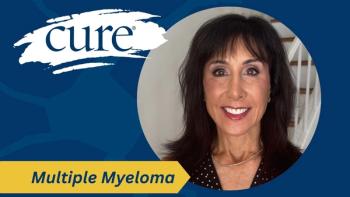
Survivor Julie Cohen discusses her experience with cevostamab, managing CRS side effects, and reaching MRD-negative status through a clinical trial.

An analysis found docetaxel plus ADT to be the most cost-effective therapy for HRR+ metastatic hormone-sensitive prostate cancer.
Learn how survivor Julie Cohen navigated high-risk multiple myeloma, failed treatments and the vital role of nurse navigators in chronic cancer care.

March weather becomes a metaphor for survivorship as a mother describes anxiety, relief and uncertainty patients with cancer feel between scans.

February 2026 coverage highlighted combination EGFR therapy guidance, chemo-free treatment options, biomarker testing and survivorship lung health.

The FDA granted priority review to rusfertide, a potential therapy for polycythemia vera; a decision regarding approval is expected late 2026.
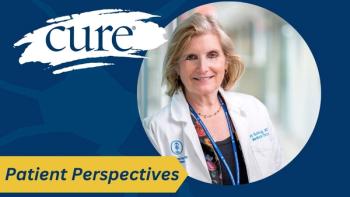
CURE spoke with incoming ASCO president Dr. Deb Schrag on elevating the patient voice, humanism in care and why partnership shapes better cancer outcomes.

RAMPART shows early quality-of-life declines with adjuvant Imfinzi and Imjudo, improving over time, though later cognitive and pain effects emerge.

Living long-term with cancer means learning to live in chapters. There are calm chapters and uncertain ones. Seasons of stability and seasons of intervention.
Four new and ongoing lung cancer trials are enrolling patients, offering options in first-line and previously treated NSCLC settings.

Phase 2 INDIBLADE data support Yervoy and Opdivo before bladder-sparing chemoradiotherapy.

Keytruda plus paclitaxel improved overall survival by 18% in platinum-resistant ovarian cancer in the phase 3 KEYNOTE-B96 trial.

Overview of nodular sclerosis Hodgkin lymphoma, including diagnosis, staging, treatment options by stage and possible side effects.

Keytruda/Welireg and Welireg/Lenvima combinations show improved survival and disease control in kidney cancer, according to new data from ASCO GU.
Keytruda plus Welireg lowered the risk of recurrence in high-risk clear cell kidney cancer after surgery.
Welireg plus Lenvima improved outcomes compared with versus Cabometyx in advanced clear cell renal cell carcinoma after immunotherapy.

MGUS is a precursor condition that requires monitoring rather than aggressive intervention.
Day two of ASCO GU highlighted innovative therapies and the need for better quality-of-life reporting in genitourinary cancer trials.

Disitamab vedotin demonstrated responses in previously treated HER2-expressing advanced urothelial carcinoma, with activity across HER2 expression levels.

Adding cabazitaxel to hormone therapy and radiation did not improve survival and caused more side effects in high-risk localized prostate cancer.

Padcev plus Keytruda before and after surgery helped more bladder cancer patients live longer and remain cancer-free than standard chemotherapy.

Despite a trend toward more patient-centered research, quality-of-life end points remain substantially underreported in phase 3 genitourinary cancer trials.
Dr. Eric Singer discusses rising early-onset kidney cancer, the role of hereditary syndromes like VHL, and lifestyle tips for patients under age 50.

Adding 177Lu-PSMA-617 to combination therapy improves disease control in PSMA+ mHSPC while maintaining quality of life and pain outcomes.

Dr. Ranee Mehra shares guidance on recurrence, quality-of-life concerns and clinical trials for patients with head and neck cancers and caregivers.

Six years after a colon cancer diagnosis, Carla Deschamps reflects on growth, independence and optimism shaped by survivorship.