




Never say to someone that at least they have a “good” kind of cancer or that they don’t really look that sick, writes one cancer survivor.
Never say to someone that at least they have a “good” kind of cancer or that they don’t really look that sick, writes one cancer survivor.

The FDA announced that a special committee will review the indications of several cancer drugs that were granted accelerated approval as confirmatory trials showed they failed to demonstrate efficacy.

Body image and body positivity are very important, especially after a life-changing surgery such as a mastectomy, writes a breast cancer survivor. Here, she offers fashion suggestions for “flatties” to feel their best.
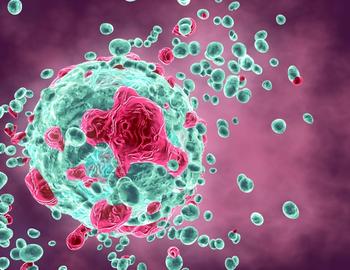
A trial investigating a novel drug plus the chemotherapy docetaxel failed to show a survival benefit in patients with previously treated locally advanced or metastatic non–small cell lung cancer.

As the population ages, the incidence of older adults being diagnosed with lung cancer is increasing, though data on how to specifically treat this population are lacking.

The National Comprehensive Cancer Network (NCCN) recently released the best practices for the management of COVID-19 infection in patients with cancer.

Being creative has helped this ovarian cancer survivor during her journey. She recommends that people use their energy in a positive way and do something that will make a difference in their lives.

From a Louisiana-based motorcycle club holding a 57-mile ride to raise money for a fellow member with ovarian cancer to the World Health Organization (WHO) announcing an initiative to reduce global breast cancer mortality by 2.5 million by 2040, here’s what’s happening in the cancer space this week.

The FDA’s recent approval of Cosela to reduce the frequency of chemotherapy-induced bone marrow suppression in adults who are receiving certain types of chemotherapy for extensive-stage small cell lung cancer is a “breath of fresh air,” according to an expert.
The Food and Drug Administration’s recent approval of the first oral hormone therapy, Orgovyx, for the treatment of advanced prostate cancer has positioned the drug to become a standard of care for patients, according to an expert.
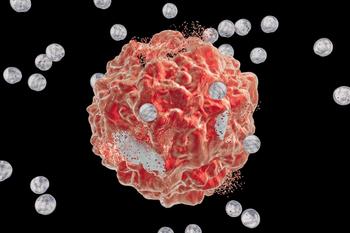
Triple-negative breast cancer, which is found in 15%-20% of invasive breast cancers, is a challenge when it comes to treatment, but thanks to new drug approvals and therapy regimens, the treatment landscape has progressed in recent years, according to an expert.

Learning to set boundaries can be a healthy project, writes a cancer survivor. She provides insight into how the hobby of gardening and setting boundaries share commonalities.
This week on the “CURE® Talks Cancer” podcast, we spoke with lymphoma survivor Nina Luker about what it was like to receive a diagnosis at age 24, and how sharing her story with nearly 200,000 supporters on TikTok and Instagram led her to find purpose with the Lymphoma Research Foundation.

Targeted therapies that attack cancer in a more precise way than traditional chemotherapy are being used more often in the field of breast cancer, but the solution in utilizing them lies within the patient-oncologist relationship, according to an expert from the Massachusetts General Hospital Cancer Center.

The agency granted approval to Fotivda in adults with relapsed or refractory advanced renal cell carcinoma who have received two or more prior systemic therapies.
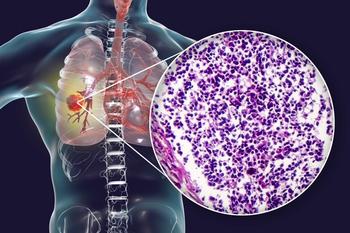
An expert discusses ways that small cell lung cancer is diagnosed, how to treat it and how to pivot if the disease spreads or recurs. He also focuses on efforts in the clinical trial space to potentially treat patients more effectively.

A cancer caregiver shares how she provided support for both her daughter and mother-in-law who were being treated for breast cancer at the same time, and what she learned from those experiences.

The US Preventive Services Task Force now recommends lowering the age and smoking history requirements for people to receive annual lung cancer screening.

Mindfulness practices have been associated with improved mental health outcomes in patients with cancer. Here, an expert shares tips on how patients can strengthen their “mindfulness muscle.”

The combination of Cabometyx (cabozantinib) plus Opdivo (nivolumab) “is certainly going to become one of the new standards of care” for the treatment of advanced renal cell carcinoma now that the regimen is approved, according to an expert from the Dana-Farber Cancer Institute.
Nearly one year ago to the day, 24-year-old Nina Luker was completely blindsided by a diagnosis of non-Hodgkin lymphoma. But after powering through treatments in the thick of the COVID-19 pandemic, Luker is now cancer-free and offering advice to those who may be looking for ways to help their loved ones through difficult times of their own.

A cancer survivor explains how in difficult times — such as living amid a pandemic or receiving treatment for cancer — just getting out of bed in the morning is a sign of bravery and magnificence.

With more than 4 million breast cancer survivors in the U.S., survivorship care and understanding what happens to patients after surviving is of the utmost importance. An expert explains some side effects survivors may experience and treatments to help.
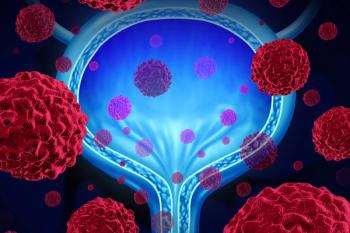
If patients were receiving Tecentriq for prior platinum-based treated metastatic urothelial carcinoma, they should discuss next best steps with their health care providers.

On social media, CURE® recently asked its readers to share if they have experienced cancer-related fatigue and how they have dealt with it.

In honor of International Women’s Day, CURE® compiled some recent news and updates in women’s cancers that patients, survivors and caregivers may have missed.

A breast cancer survivor who opted for a unilateral mastectomy advises people to look at all treatment and risk reduction options when first diagnosed with breast cancer so they can avoid any regrets years later.

More than half of the deaths assessed in this study were related to non-cancer-related causes such as cardiovascular disease compared with cancer-related causes, which may reflect a need for risk factor management for heart disease during survivorship.

A roundup of some of the latest news and updates for patients with lung cancer from CURE®.

A survivor takes a closer look at the trouble with using the phrase “cancer-free” when discussing the disease with friends and family.