





One survivor leans on their experiences from fighting cancer to find the strength to pivot during the time of the COVID-19 pandemic.
One survivor leans on their experiences from fighting cancer to find the strength to pivot during the time of the COVID-19 pandemic.

From a renowned actor passing away after a rare neuroendocrine cancer diagnosis and years of treatment to LUNGevity announcing a new fund for patients with lung cancer in need of financial assistance during the COVID-19 pandemic, here’s what’s happening in the cancer space this week.
Each one of us is unique and that includes our cancer journey. We cannot compare ourselves to anyone else!

Here is a list of the recent trial initiations that occurred within the cancer space in April.
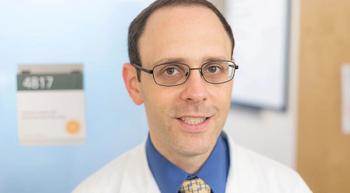
Dr. Andrew Coveler discusses the use of electric fields to disrupt cell division during pancreatic cancer treatment.
The Pancreatic Cancer Collective, a collaboration between the Lustgarten Foundation and Stand Up To Cancer, announced four recipients of further funding to develop new treatments for pancreatic cancer.
Learn what you should do to prevent the spread of COVID-19, especially if you have a weakened immune system from pancreatic cancer treatment.
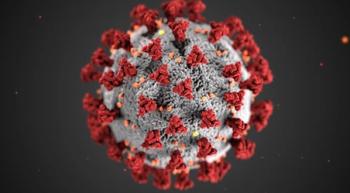
Pancreatic cancer experts discuss treatment during the COVID-19 pandemic, along with other important issues for patients.
The Food and Drug Administration has approved the use of Zejula as a frontline maintenance treatment for adult patients with advanced epithelial ovarian, fallopian tube or primary peritoneal cancer who responded to chemotherapy.
Part of the prognosis is often what the patient brings to it, the journey ahead of them that only they can travel.
Keytruda, an immunotherapy that treats a variety of adult cancers, can now be given at a higher dose that requires fewer visits to clinics for infusions to support social distancing during the COVID-19 pandemic.
A newly diagnosed patient talks about her experience of being diagnosed with breast cancer amidst the COVID-19 pandemic.
After treatment ends, survivors are left to navigate a new life but that life comes with its new emotions and reactions to the world around us.

The Braftovi-Erbitux combination will become the preferred second-line treatment option in treatment of adults with metastatic colorectal cancer (CRC) with a BRAF V600E mutation, according to one expert.

Dr. Omid Hamid discusses combining targeted drugs and immunotherapy, the role of surgery and ongoing research efforts in melanoma.
During hard times, we must hold on to what we know well.
Dr. Richard Pazdur, director of the Food and Drug Administration’s Oncology Center of Excellence, has noted that the agency is committed to expediting oncology drug development despite the challenges posed by the COVID-19 pandemic.
Purpose directs the energy outward, and when tied to a beneficent cause, the experience is that of being connected to a deeper source— worry for self becomes compassion for others.
How can we relax and move forward when cancer and COVID-19 take up so much of our day?
The Food and Drug Administration approved the targeted therapy Tukysa as part of a drug combination to treat HER2-positive breast cancer. Here’s what you need to know.
As quarantine and social distancing wears on, one cancer survivor muses on the little things that have gone missing.
From a skin cancer survivor raising money for the fight against the novel coronavirus to a Cleveland Browns fan who has survived a rare brain tumor helping to open the broadcast of Thursday’s NFL Draft, here’s what is making headlines in the cancer space this week.
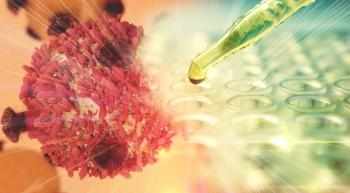
With the growing and evolving field of T-cell therapies, patients with metastatic melanoma have new hopes for effective treatment, but the treatment faces future clinical challenges.
A newly-diagnosed patient talks about her experience of being diagnosed with breast cancer amidst the COVID-19 pandemic.
With so many cancer survivors working at home during the COVID-19 pandemic, we may need to assess how our shift to computer-based work affects limbs with lymphedema and make a few adjustments to the new routines to help ourselves out.
The Food and Drug Administration’s approval of Jelmyto (mitomycin gel]) in low-grade upper tract urothelial cancer offers patients a much-needed treatment option, according to one expert.
Based on objective response rate and duration of response measured in a phase 2 study, the Food and Drug Administration approved Trodelvy, an antibody-drug conjugate, for use in previously treated patients with metastatic triple-negative breast cancer.
Cancer alters the trajectory of your career, but it doesn't have to end it. Here are some ways to find resources that help patients and survivors alike find the next step of their careers.
The Food and Drug Administration, under its global Project Orbis, approved the combination of Imbruvica and Rituxan for patients with CLL and SLL.
It may feel obvious to cancer survivors and patients with cancer, but insomnia and cancer go hand in hand. Here are some tips to handle insomnia.